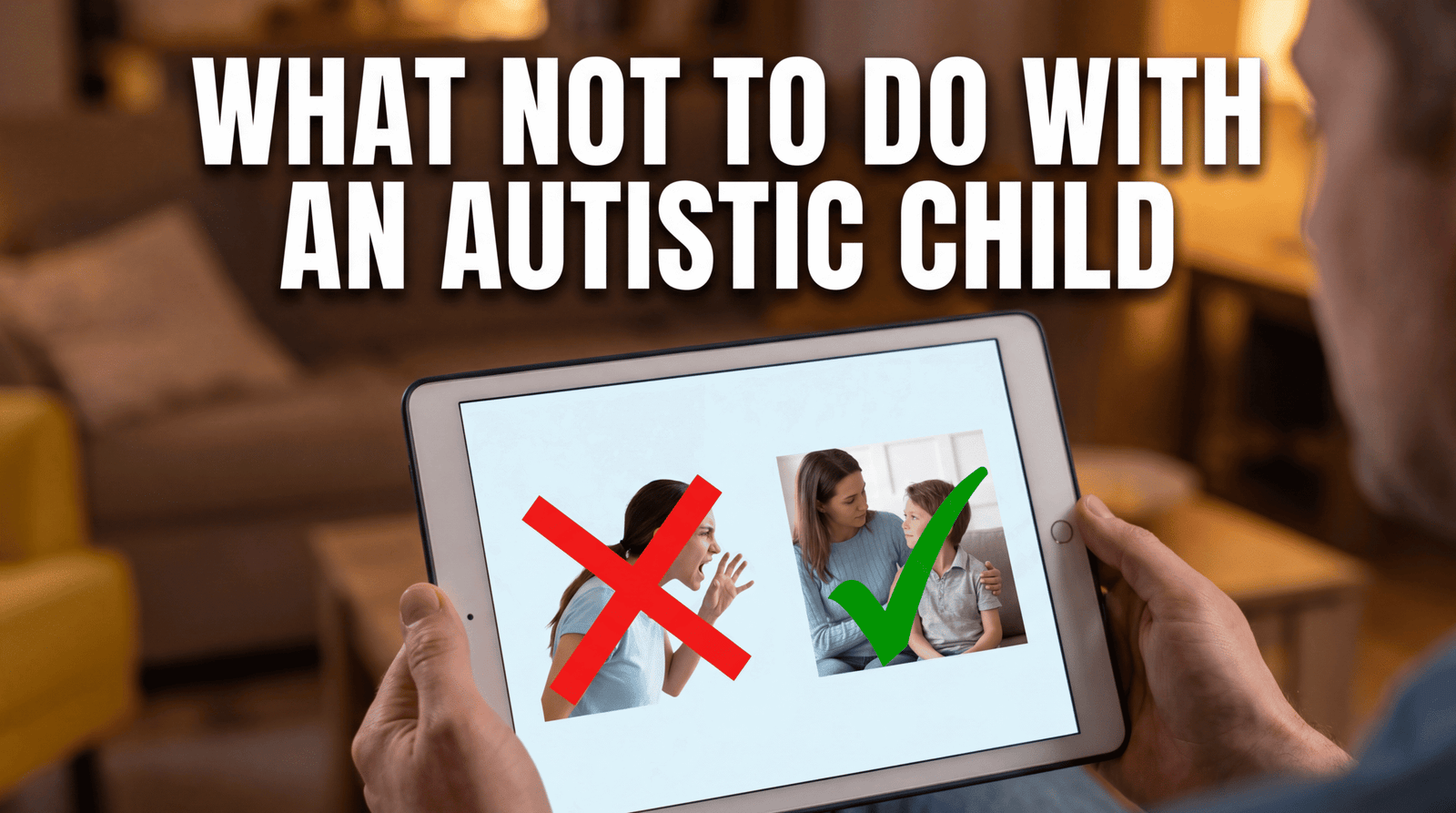

Parenting an autistic child comes with unique joys, challenges, and learning experiences. Many caregivers want to provide the best possible support but may feel unsure about what approaches are helpful and what might unintentionally cause stress or confusion. Understanding what not to do is just as important as knowing what works.
Autistic children experience the world differently, particularly in areas such as communication, sensory processing, and emotional regulation. Actions that seem harmless or routine to others can sometimes feel overwhelming or distressing to them. This is why awareness and thoughtful responses are essential.
This guide explains common mistakes to avoid when interacting with an autistic child, along with practical alternatives. The goal is not to criticize but to provide clarity and support, helping caregivers create a more understanding and positive environment.
Why Understanding These Mistakes Matters
Avoiding certain behaviors can make a significant difference in a child’s emotional well-being and development.
Emotional Impact
Negative or misunderstood interactions can lead to anxiety, frustration, or low self-esteem.
Behavioral Outcomes
Some reactions, such as punishment or pressure, may increase meltdowns rather than reduce them.
Long-Term Development
Supportive and respectful approaches help build communication skills, confidence, and independence over time.
Communication Mistakes to Avoid
Using Complex or Vague Language
Autistic children often process language more literally. Long or unclear instructions can be confusing.
What to do instead:
Use clear, simple, and direct language. Break instructions into smaller steps.
Expecting Immediate Responses
Some children need extra time to process information and respond.
What to do instead:
Allow pauses and give the child time to understand and reply.
Using Sarcasm or Figurative Language
Expressions like “pull your socks up” or sarcasm can be taken literally and misunderstood.
What to do instead:
Use straightforward language and explain meanings when necessary.
Ignoring Non-Verbal Communication
Not all autistic children communicate verbally. Gestures, behavior, or expressions may be their primary form of communication.
What to do instead:
Pay attention to body language and alternative communication methods.
Behavioral Mistakes to Avoid
Punishing Stimming
Stimming (repetitive behaviors like hand-flapping or rocking) is often a way for autistic children to regulate emotions or sensory input.
What to do instead:
Allow safe stimming and understand its purpose unless it is harmful.
Forcing Eye Contact
Eye contact can feel uncomfortable or overwhelming.
What to do instead:
Focus on engagement rather than eye contact. Communication can happen without direct gaze.
Raising Your Voice During Meltdowns
Meltdowns are not intentional misbehavior; they are often responses to overload.
What to do instead:
Stay calm, reduce stimuli, and provide a safe space.
Expecting Compliance Without Understanding
Assuming a child is being defiant can lead to frustration on both sides.
What to do instead:
Consider underlying causes such as sensory discomfort or confusion.
Emotional Mistakes to Avoid
Comparing the Child to Others
Statements like “Why can’t you be like other kids?” can harm self-esteem.
What to do instead:
Focus on individual progress and strengths.
Making the Child Feel “Wrong”
Negative comments about behavior or differences can lead to feelings of inadequacy.
What to do instead:
Promote acceptance and celebrate individuality.
Ignoring Strengths
Focusing only on challenges overlooks the child’s abilities and interests.
What to do instead:
Encourage strengths and use them as a foundation for learning.
Dismissing Their Feelings
Even if a reaction seems disproportionate, the child’s feelings are real.
What to do instead:
Acknowledge emotions and provide reassurance.
Environmental Mistakes to Avoid
Breaking Routines Suddenly
Unexpected changes can cause anxiety or distress.
What to do instead:
Prepare the child in advance and use visual schedules when possible.
Overloading with Instructions
Too many directions at once can be overwhelming.
What to do instead:
Give one instruction at a time and ensure understanding before moving on.
Creating Overstimulating Environments
Bright lights, loud sounds, or crowded spaces can be overwhelming.
What to do instead:
Create calm, structured environments and allow breaks when needed.
Ignoring Sensory Needs
Sensory sensitivities are a core aspect of autism.
What to do instead:
Adapt environments and tools to suit the child’s comfort level.
Problem–Solution Guide
Mistake: Giving Too Many Instructions
Solution: Break tasks into simple, step-by-step directions.
Mistake: Reacting with Frustration
Solution: Stay calm and model emotional regulation.
Mistake: Forcing Social Interaction
Solution: Encourage interaction gradually and respect comfort levels.
Mistake: Ignoring Triggers
Solution: Identify and minimize triggers such as noise or changes in routine.
Mistake: Using Negative Reinforcement
Solution: Use positive reinforcement to encourage desired behaviors.
www.youtube.com/watch?v=x-7VrQWo6oU&t=3s
Real-Life Examples
At Home
Instead of saying, “Clean your room,” guide the child step by step:
- Pick up toys
- Put books on the shelf
- Make the bed
This reduces confusion and builds confidence.
In School
A teacher asking a student to complete multiple tasks at once may cause overwhelm. Breaking assignments into smaller parts helps improve focus and completion.
During Meltdowns
Raising your voice or demanding calmness can escalate the situation. Providing a quiet space and speaking gently helps the child regain control.
Why These Mistakes Happen
Lack of Awareness
Many caregivers simply do not have enough information about autism.
Misinterpreting Behavior
Behaviors are often seen as intentional rather than responses to sensory or emotional challenges.
Stress and Expectations
Parenting can be stressful, and unrealistic expectations can lead to frustration.
How to Build a Supportive Environment
Create Predictable Routines
Consistency helps reduce anxiety and improves cooperation.
Use Clear Communication
Simple, direct language makes expectations easier to understand.
Encourage Independence
Provide guidance while allowing the child to develop skills at their own pace.
Focus on Strengths
Building on what the child enjoys and does well increases motivation and confidence.
Practice Patience
Progress may be gradual, but consistency leads to meaningful improvement.
FAQs
How should you discipline an autistic child?
Discipline should focus on teaching rather than punishment. Use clear expectations, positive reinforcement, and consistent routines.
What triggers meltdowns in autistic children?
Common triggers include sensory overload, changes in routine, communication difficulties, and emotional stress.
Should you stop stimming?
Stimming should not be stopped unless it is harmful. It is often a coping mechanism.
Is it okay to force eye contact?
No, forcing eye contact can cause discomfort. Focus on communication in ways that are comfortable for the child.
How can I communicate better with my autistic child?
Use simple language, visual supports, and allow extra time for responses.
Conclusion
Understanding what not to do with an autistic child is a crucial step toward creating a supportive and respectful environment. Small changes in communication, behavior, and expectations can significantly improve a child’s comfort, confidence, and ability to thrive.
The goal is not perfection but awareness. By avoiding common mistakes and adopting more thoughtful approaches, caregivers can build stronger connections and support meaningful development. Every autistic child is unique, and with patience, understanding, and consistency, it is possible to create a positive environment where they feel valued and understood.