
This Post Contains Affiliate Links. Please Read Our Disclosure for Full Information.
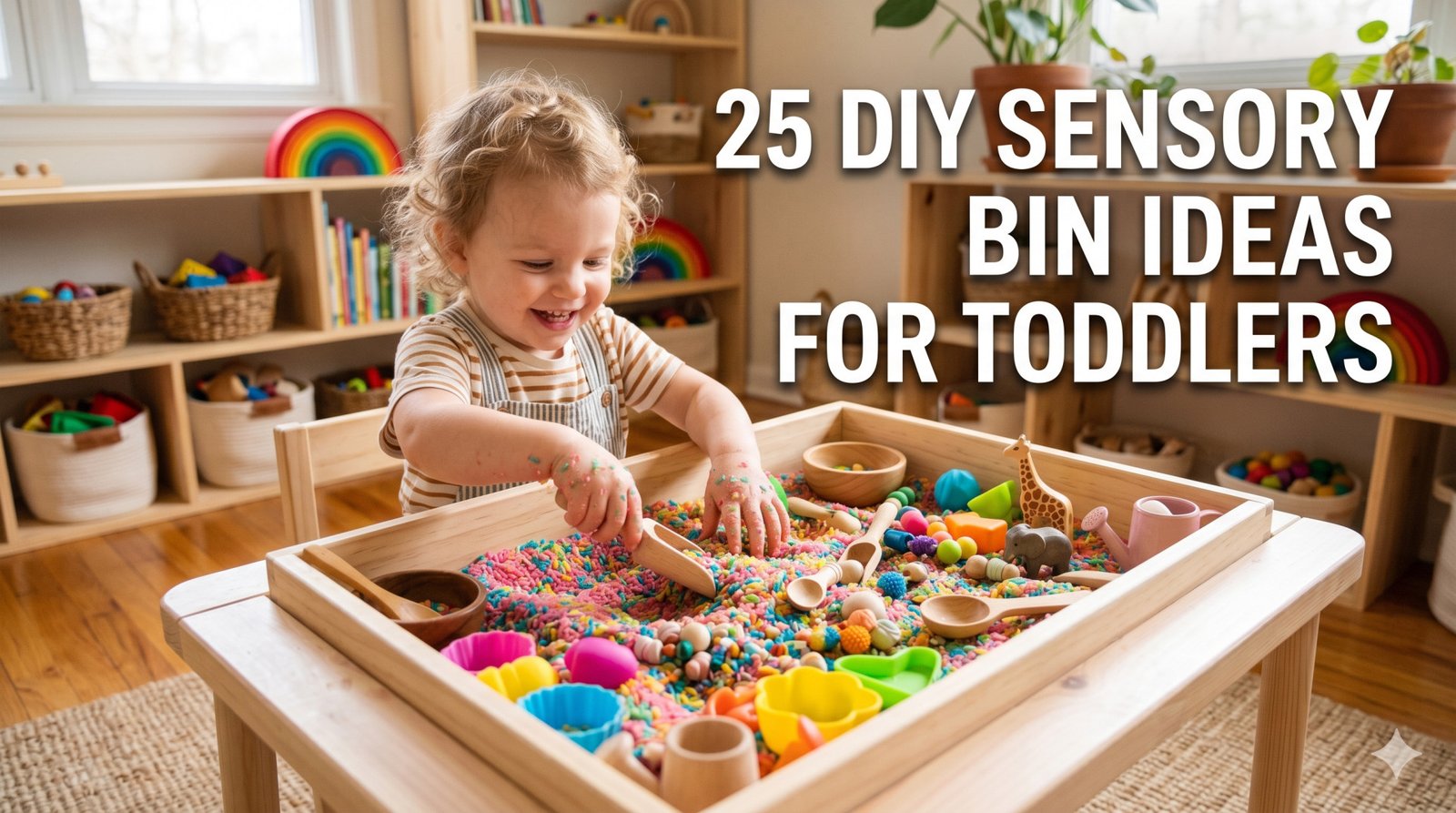
Toddlers learn best through hands-on exploration. They love scooping, pouring, touching, digging, sorting, and discovering new textures. That is why sensory bins have become one of the most popular toddler activities for parents, teachers, and therapists. Sensory bins encourage creativity, fine motor development, problem-solving, and independent play while keeping children engaged in a fun and meaningful way.
The best part about sensory bins is that they do not need to be expensive or complicated. Many DIY sensory bin ideas for toddlers can be created using simple household materials such as rice, pasta, water, oats, cotton balls, or recycled containers.
Whether you want taste-safe sensory play for younger toddlers, mess-free indoor activities, or seasonal sensory bins for creative learning, there are endless ways to customize sensory play for your child’s interests and developmental needs.
This guide covers the best DIY sensory bin ideas for toddlers, including setup instructions, developmental benefits, safety tips, and easy cleanup solutions.
What Is a Sensory Bin?
A sensory bin is a container filled with materials that encourage children to explore using their senses. These bins usually include fillers, tools, toys, and objects that toddlers can scoop, sort, touch, pour, or manipulate.
Sensory bins help children:
- Explore textures
- Practice fine motor skills
- Build concentration
- Improve hand-eye coordination
- Encourage creativity
- Support sensory processing
Common sensory bin fillers include:
- Rice
- Pasta
- Beans
- Sand
- Water
- Oats
- Pom-poms
- Cotton balls
- Shredded paper
Sensory bins can be themed around seasons, animals, colors, letters, numbers, or favorite activities.
Benefits of Sensory Bins for Toddlers
Sensory play supports several areas of toddler development at the same time.
Fine Motor Development
Scooping, pouring, pinching, and sorting strengthen hand muscles and coordination.
Language Development
Toddlers learn new words while describing textures, colors, and objects.
Independent Play
Sensory bins encourage toddlers to explore and play independently.
Emotional Regulation
Sensory play can help toddlers feel calmer and more focused.
Creativity and Problem-Solving
Children naturally experiment and use imagination during open-ended play.
How to Make a DIY Sensory Bin
Creating a sensory bin at home is simple and affordable.
Step 1: Choose a Container
You can use:
- Plastic storage bins
- Baking trays
- Large bowls
- Shallow baskets
- Recycled containers
Step 2: Pick a Filler Material
Choose toddler-safe fillers based on age and supervision level.
Popular fillers include:
- Rice
- Pasta
- Oatmeal
- Water
- Cotton balls
- Kinetic sand
Step 3: Add Tools and Toys
Include:
- Scoops
- Cups
- Toy animals
- Measuring spoons
- Funnels
- Tongs
Step 4: Create a Theme
Themes make sensory bins more engaging and educational.
Step 5: Supervise Play
Always supervise toddlers during sensory activities, especially with small objects.
Taste-Safe DIY Sensory Bin Ideas for Toddlers
Taste-safe sensory bins are ideal for younger toddlers who still explore by putting objects in their mouths.
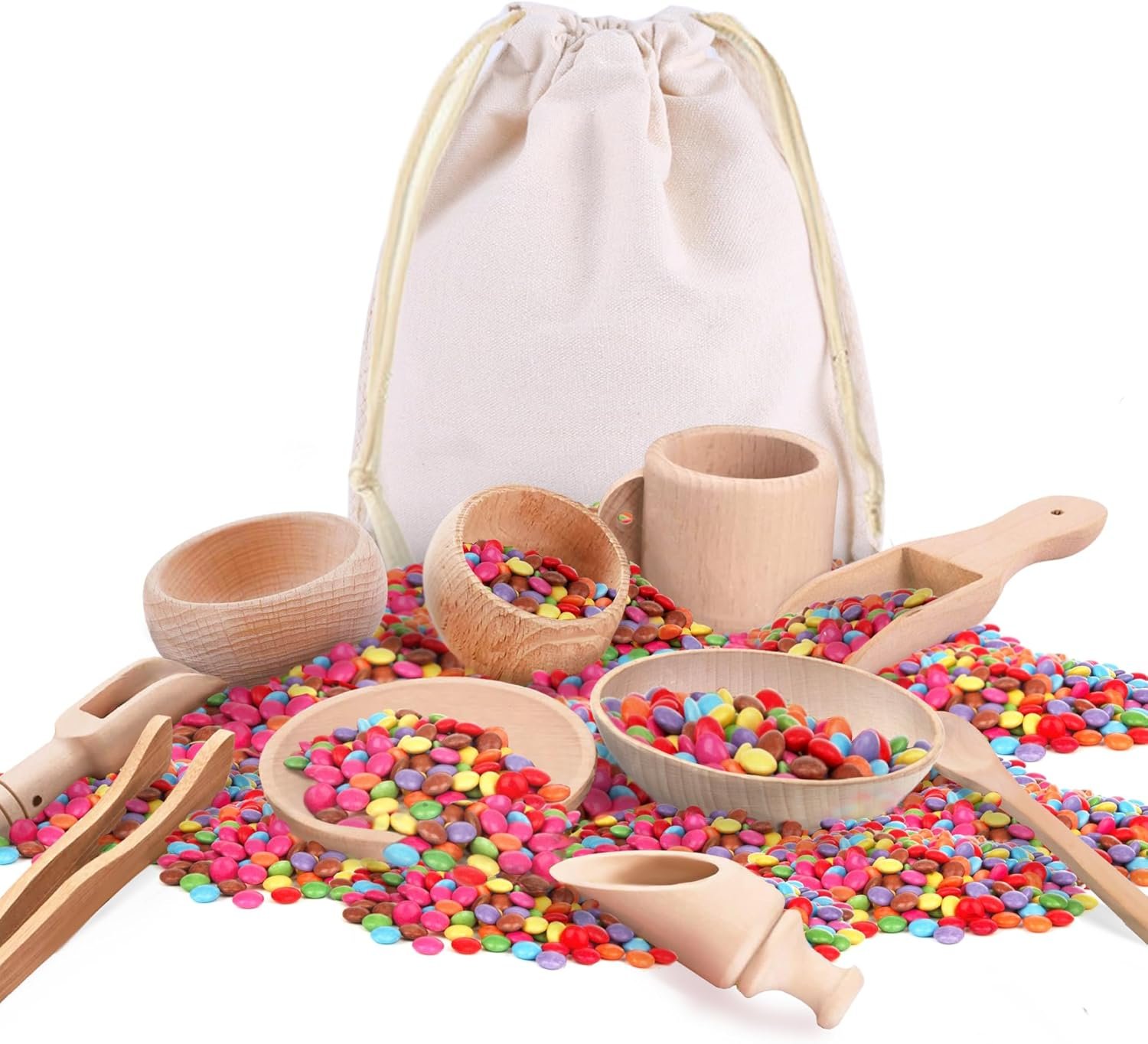
1. Oatmeal Sensory Bin
|
|
|
|
Our Rating:
4.0
|
Our Rating:
4.0
|
Our Rating:
4.0
|
|
N/A
|
N/A
|
N/A
|
Materials Needed
- Dry oats
- Measuring cups
- Spoons
- Small containers
Skills Developed
- Scooping
- Pouring
- Sensory exploration
Safety Tip
Use plain oats and supervise closely.
2. Colored Yogurt Foam Bin
|
|
|
|
Our Rating:
4.0
|
Our Rating:
4.0
|
Our Rating:
4.0
|
|
N/A
|
N/A
|
N/A
|
Materials Needed
- Plain yogurt
- Food coloring
- Mixing bowls
Benefits
This sensory activity combines texture exploration with safe messy play.
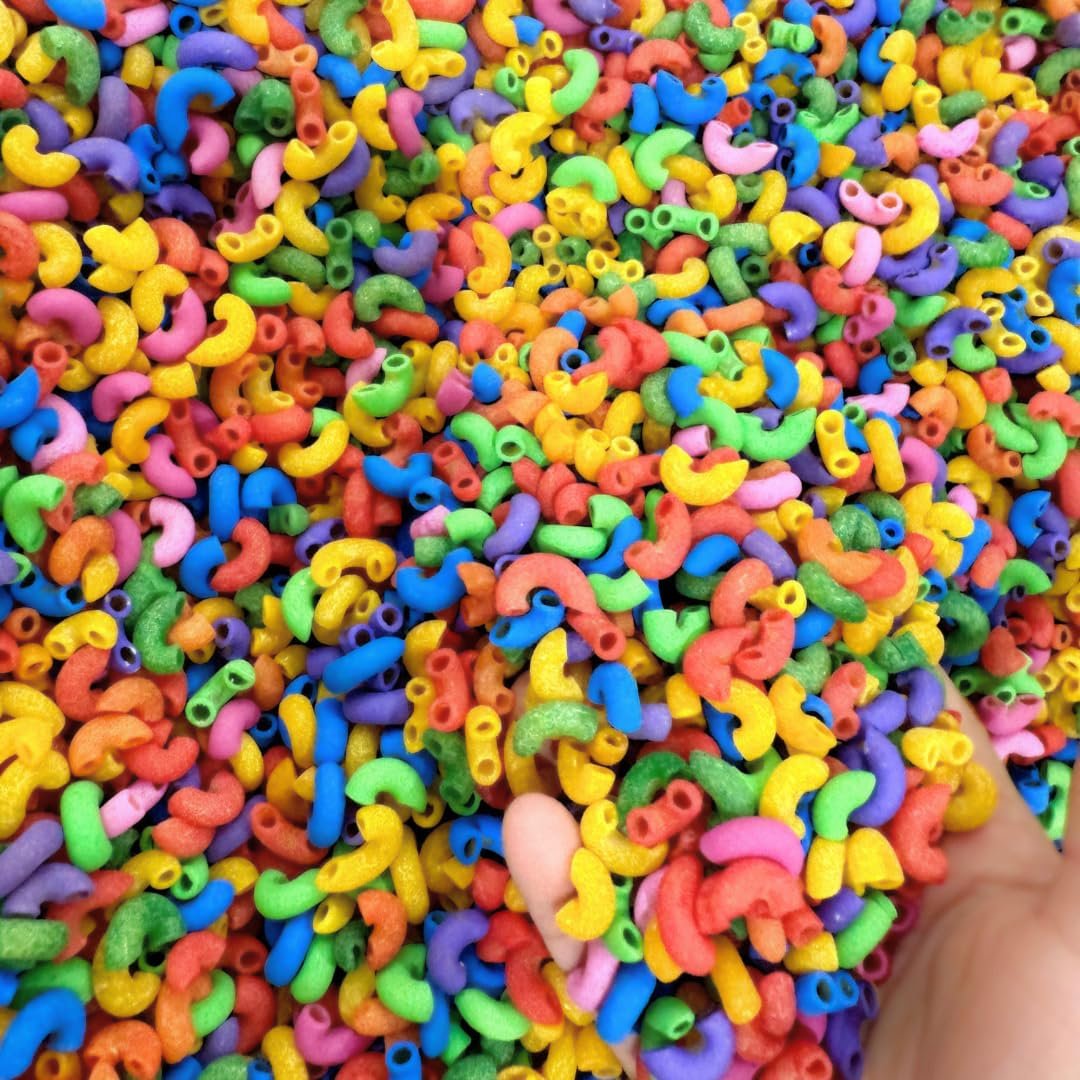
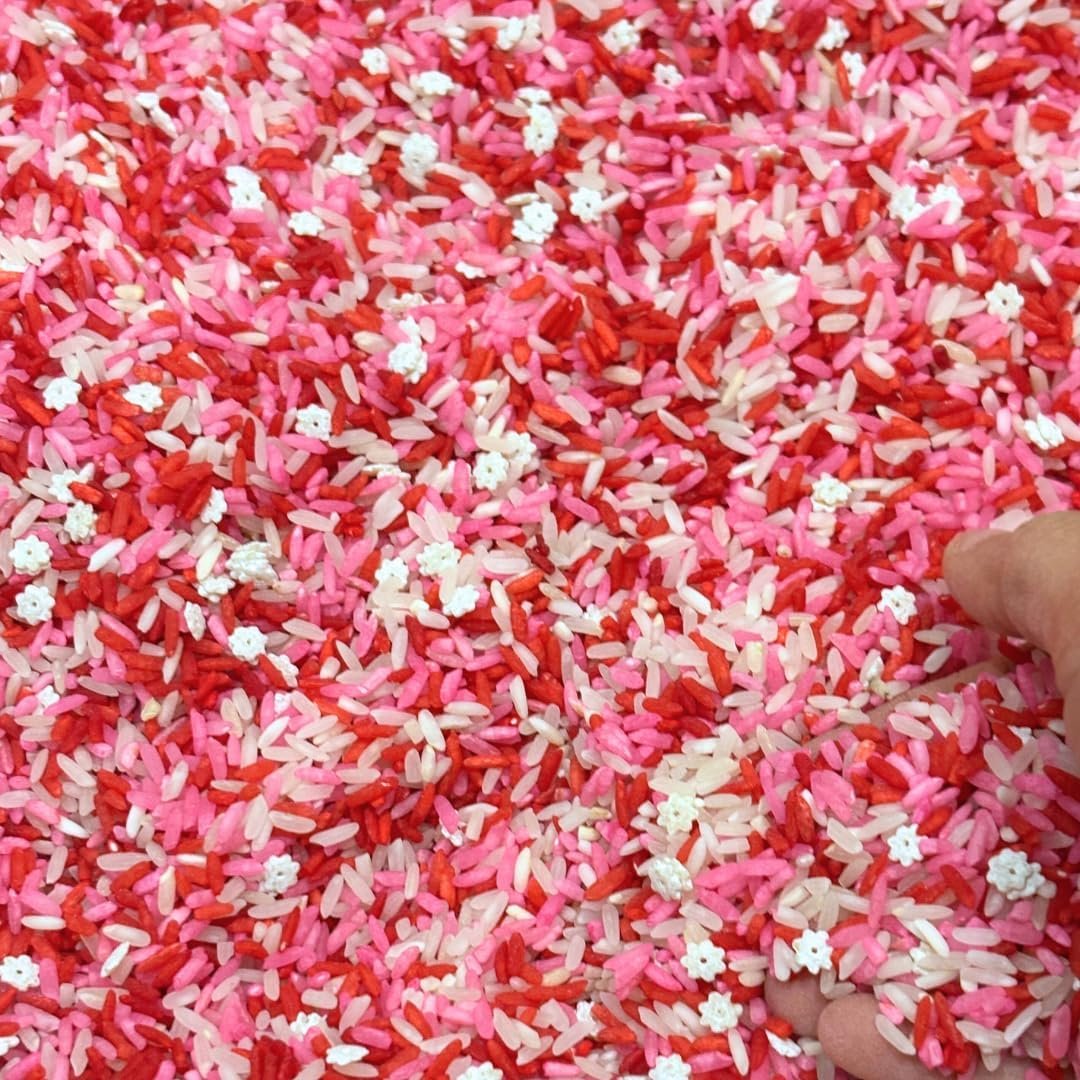
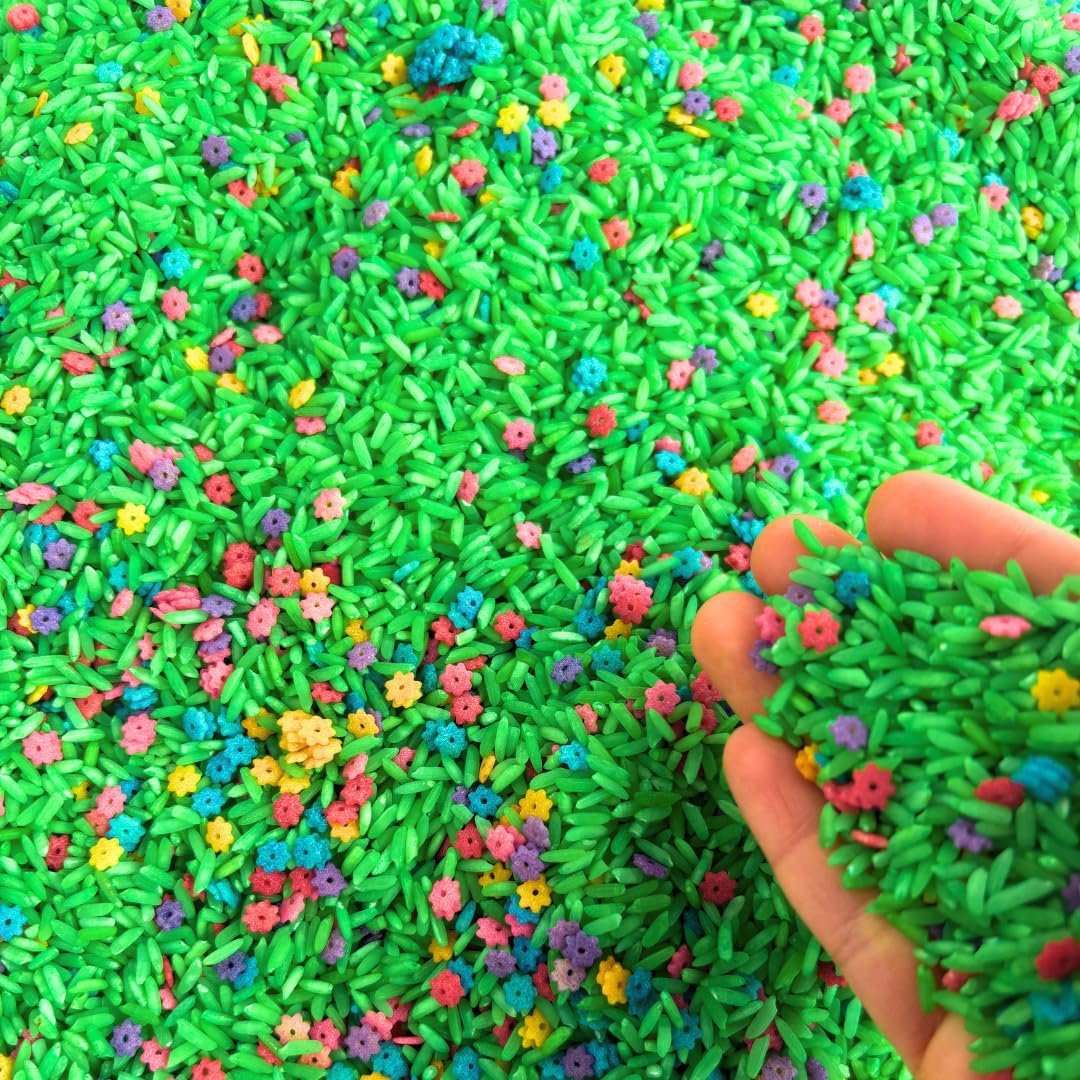
3. Cooked Pasta Sensory Bin
|
|
|
|
Our Rating:
3.5
|
Our Rating:
3.5
|
Our Rating:
3.5
|
|
N/A
|
N/A
|
N/A
|
Materials Needed
- Cooked pasta
- Food coloring
- Plastic bowls
Best For
- Tactile exploration
- Fine motor practice
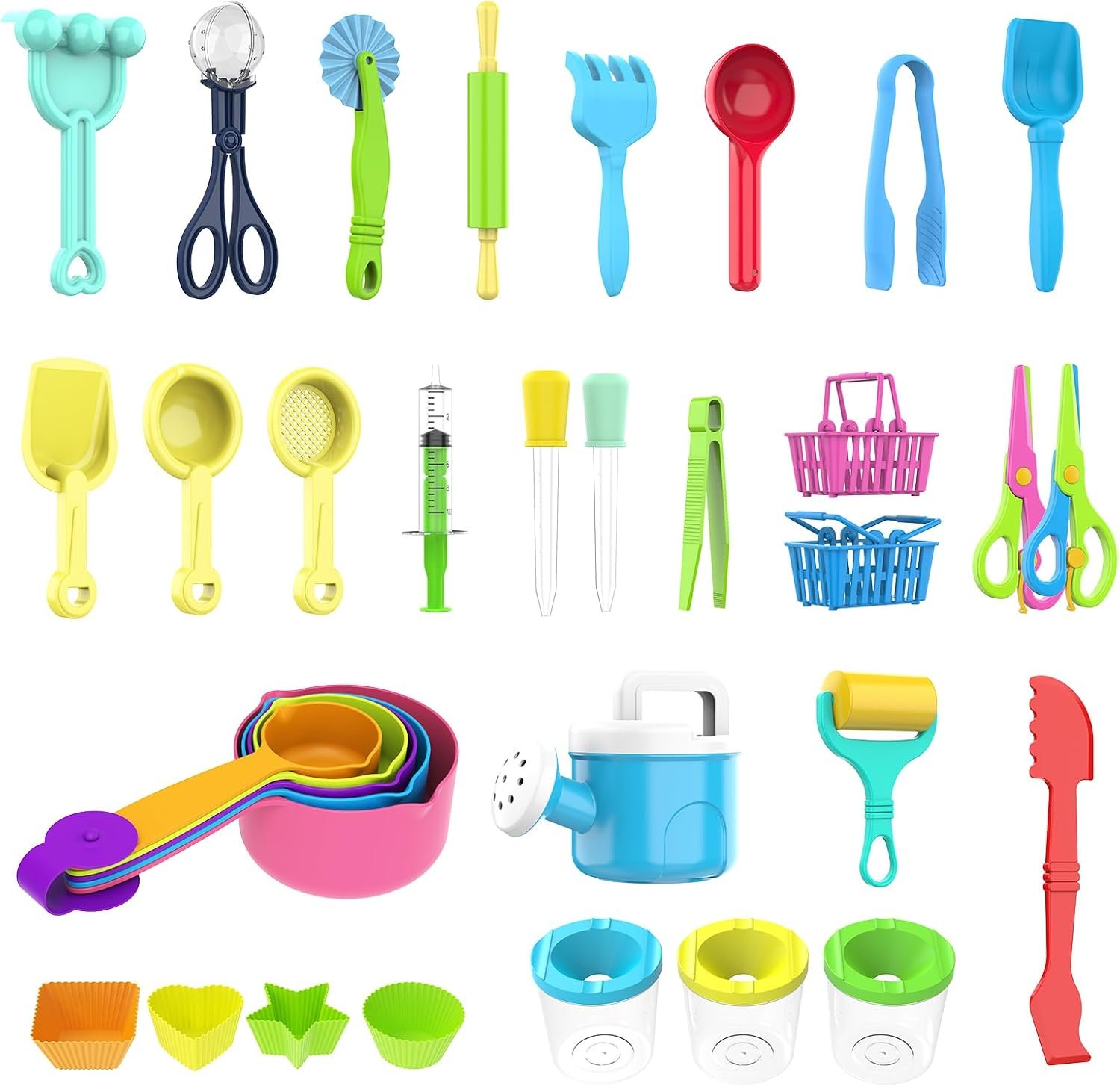
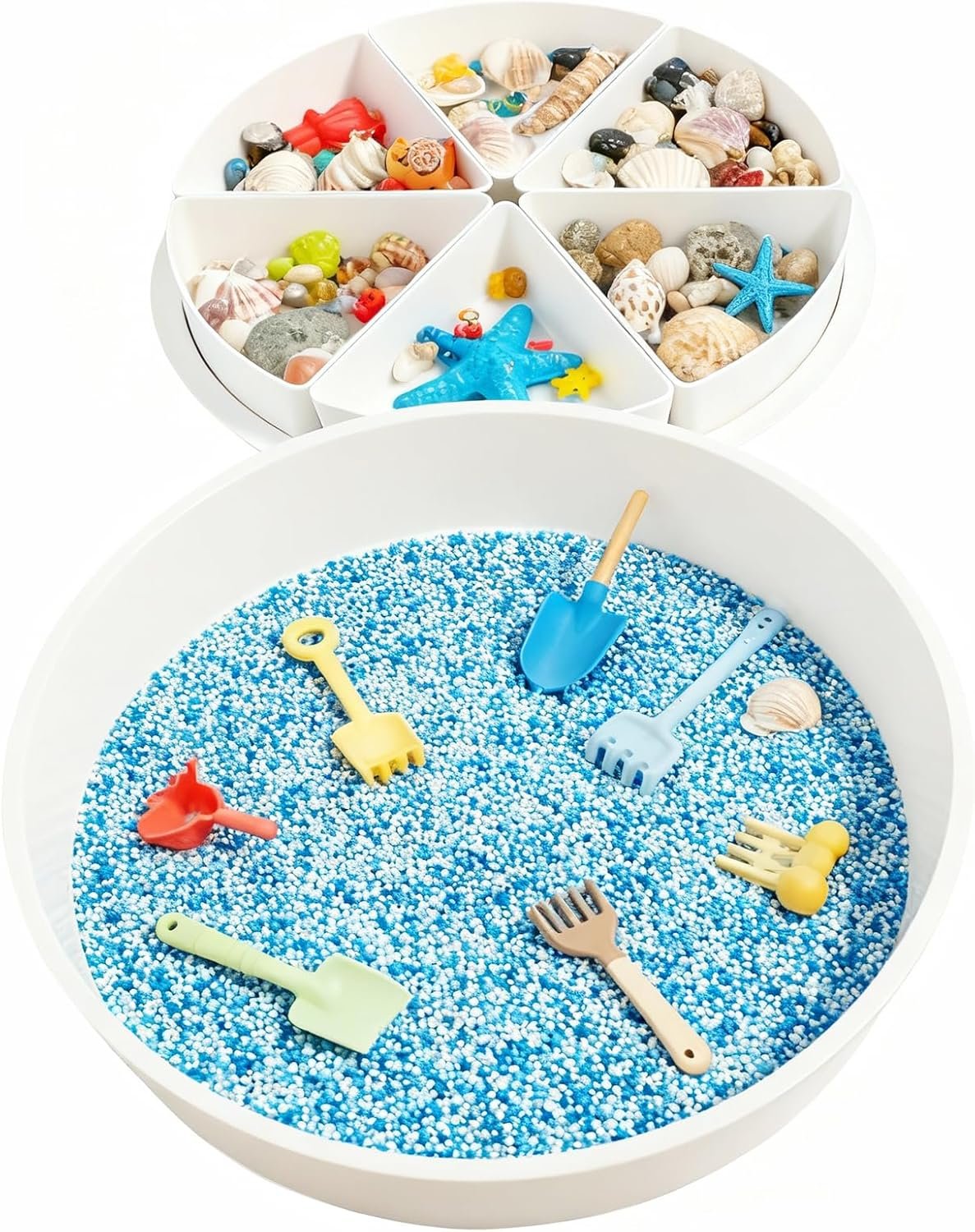
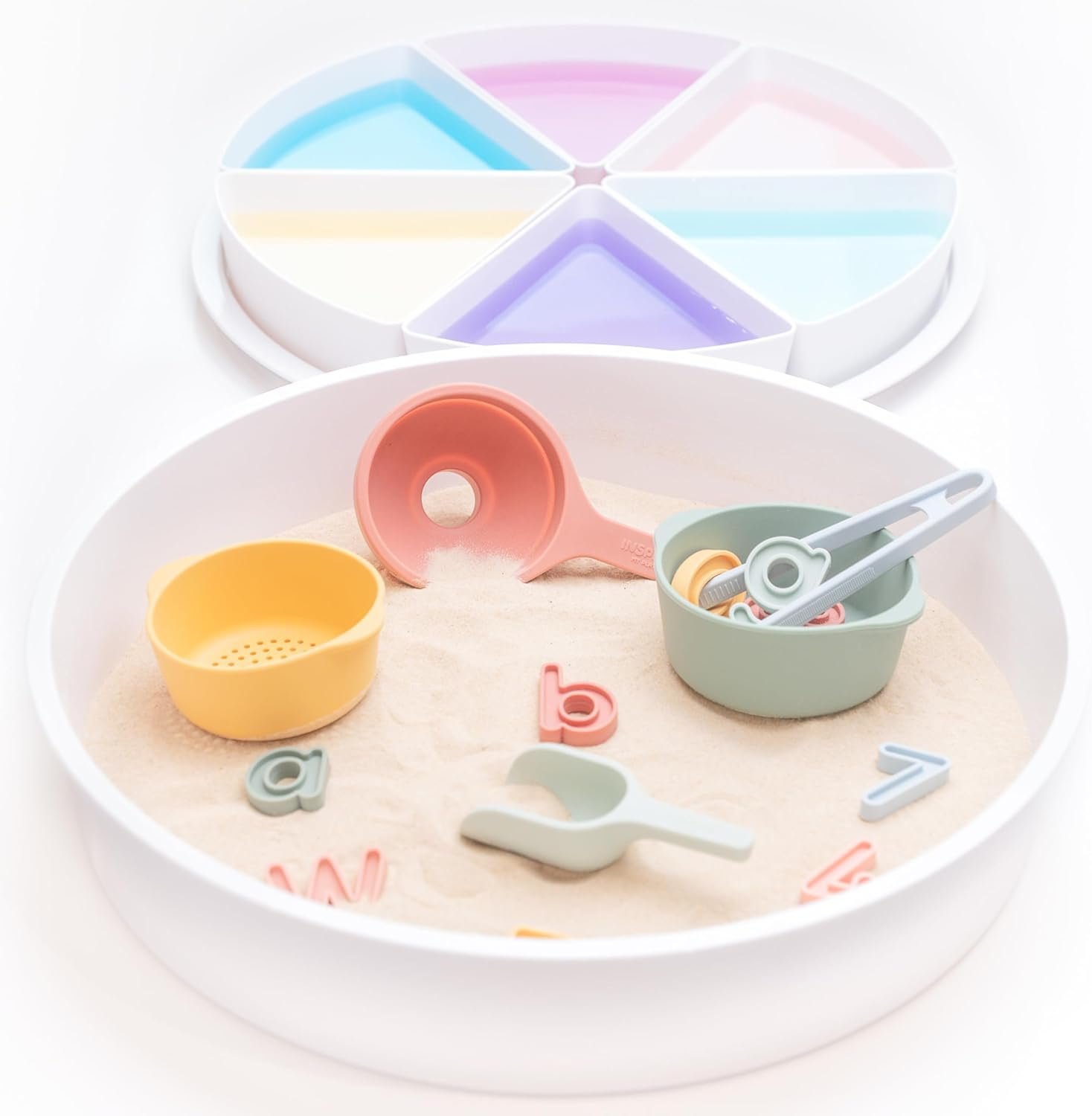
4. Cereal Sensory Bin
|
|
|
|
Our Rating:
4.0
|
Our Rating:
4.0
|
Our Rating:
4.0
|
|
N/A
|
N/A
|
N/A
|
Materials Needed
- Dry cereal
- Scoops
- Toy cups
Why Toddlers Love It
Crunchy textures and easy scooping make this activity engaging.
5. Gelatin Dig Bin
|
|
|
|
Our Rating:
3.5
|
Our Rating:
3.5
|
Our Rating:
3.5
|
|
N/A
|
N/A
|
N/A
|
Materials Needed
- Prepared gelatin
- Small toys hidden inside
Skills Developed
- Texture tolerance
- Hand strength
- Problem-solving
Mess-Free Sensory Bin Ideas
Some parents want sensory activities without large cleanups.
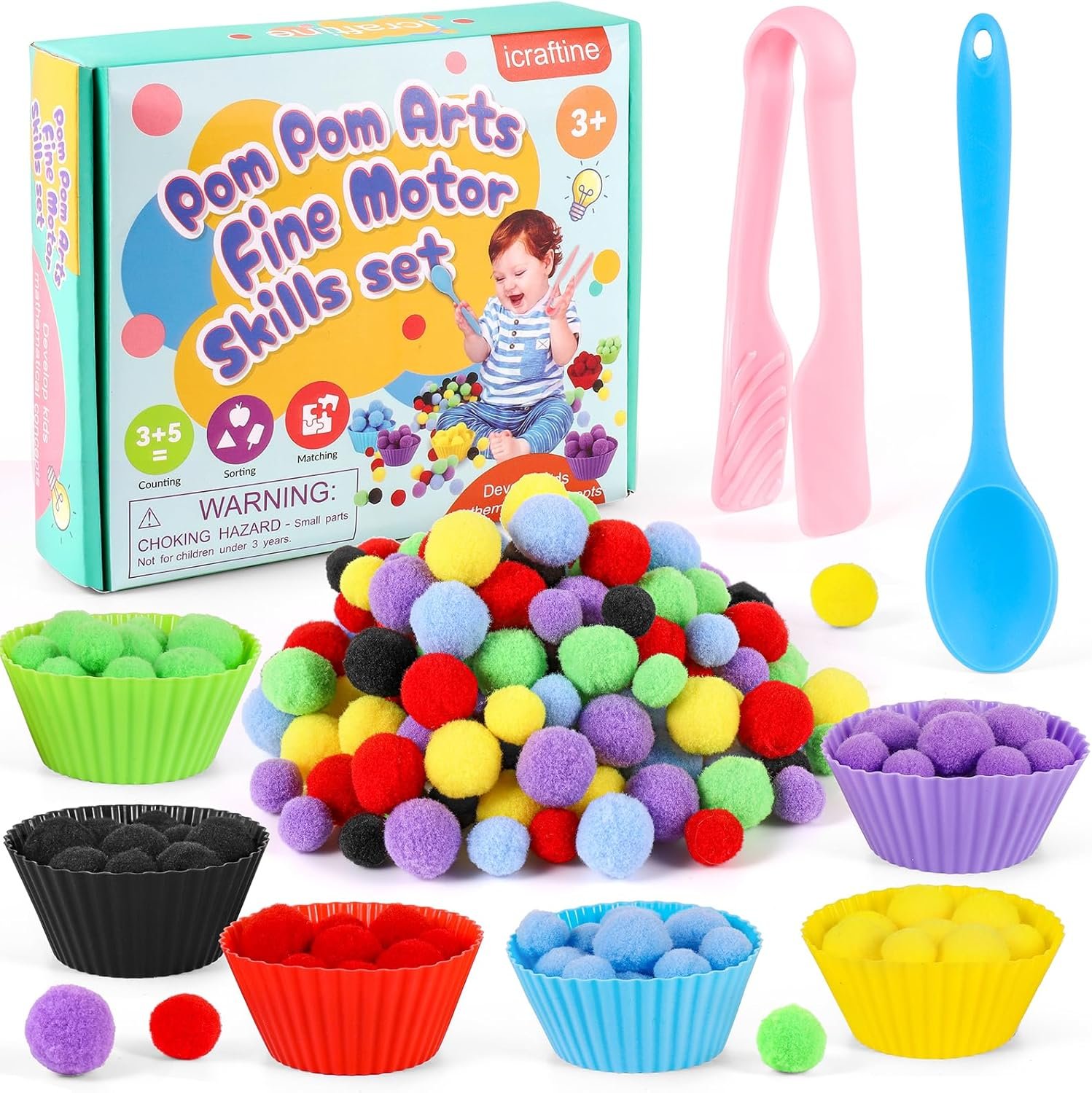
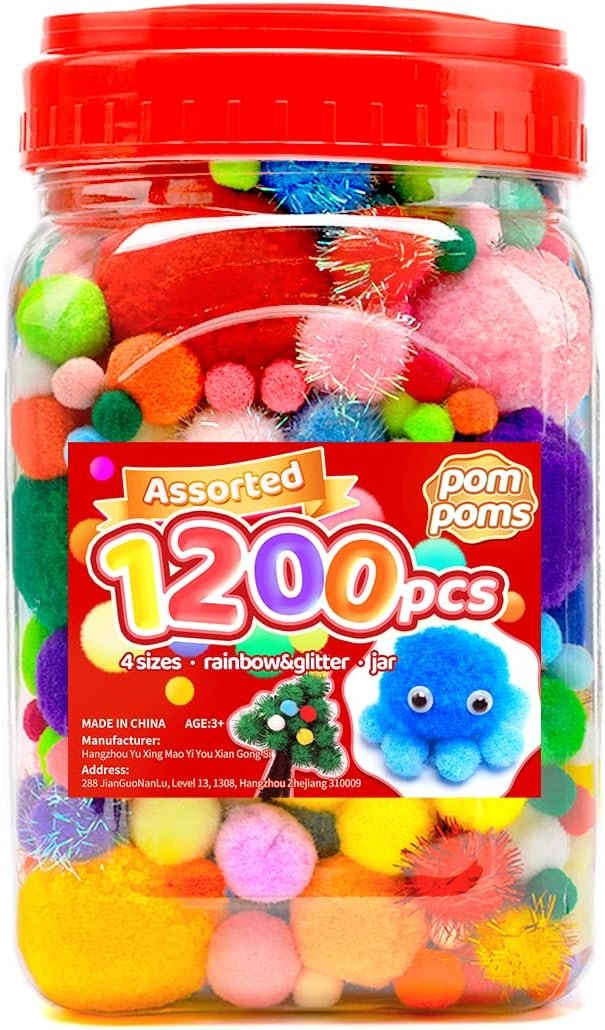
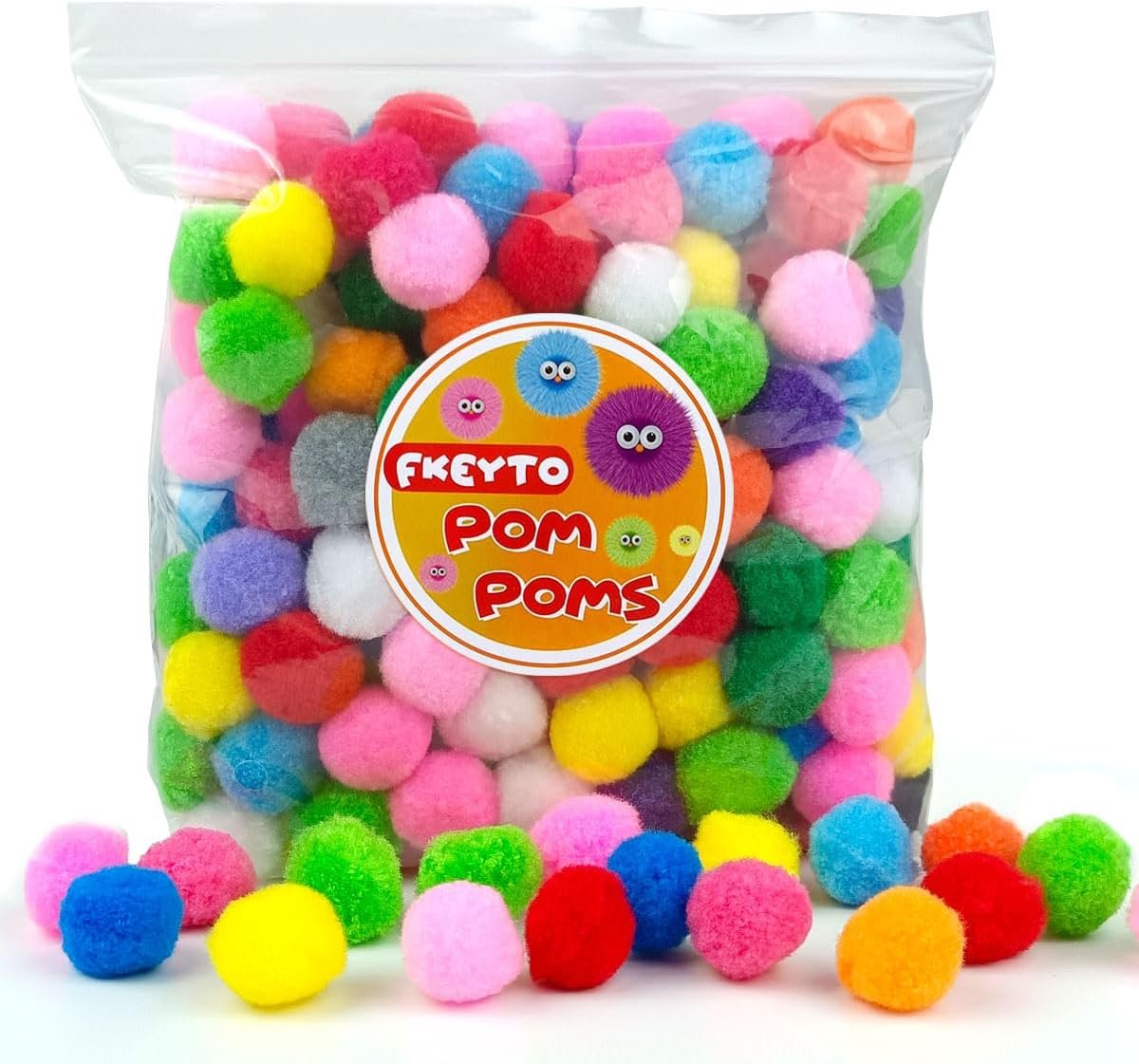
6. Pom-Pom Sensory Bin
|
|
![Caydo [400 pcs] - 300 Pieces 1 Inch Assorted Pom Poms with 100 Pieces Wiggle Eyes, Multicolor Pompom Balls for Home Decorations and Kids DIY Art Creative Crafts](https://autism.fm/wp-content/uploads/2026/06/81402wBmjxL._AC_SL1500_.jpg)
|
|
Our Rating:
3.5
|
Our Rating:
3.5
|
Our Rating:
3.5
|
|
N/A
|
N/A
|
N/A
|
Materials Needed
- Large pom-poms
- Cups
- Tongs
Benefits
Great for color sorting and fine motor development.
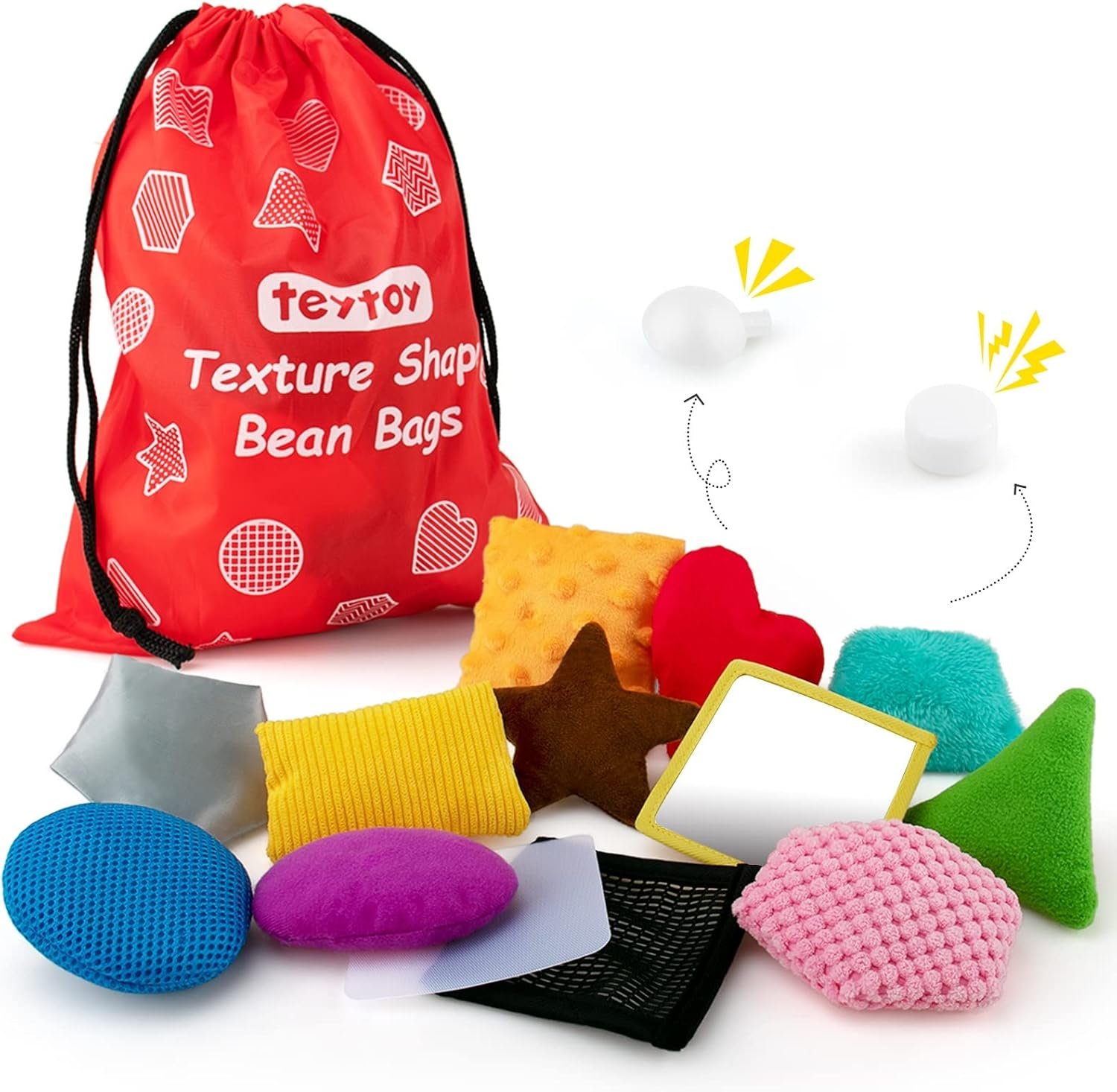
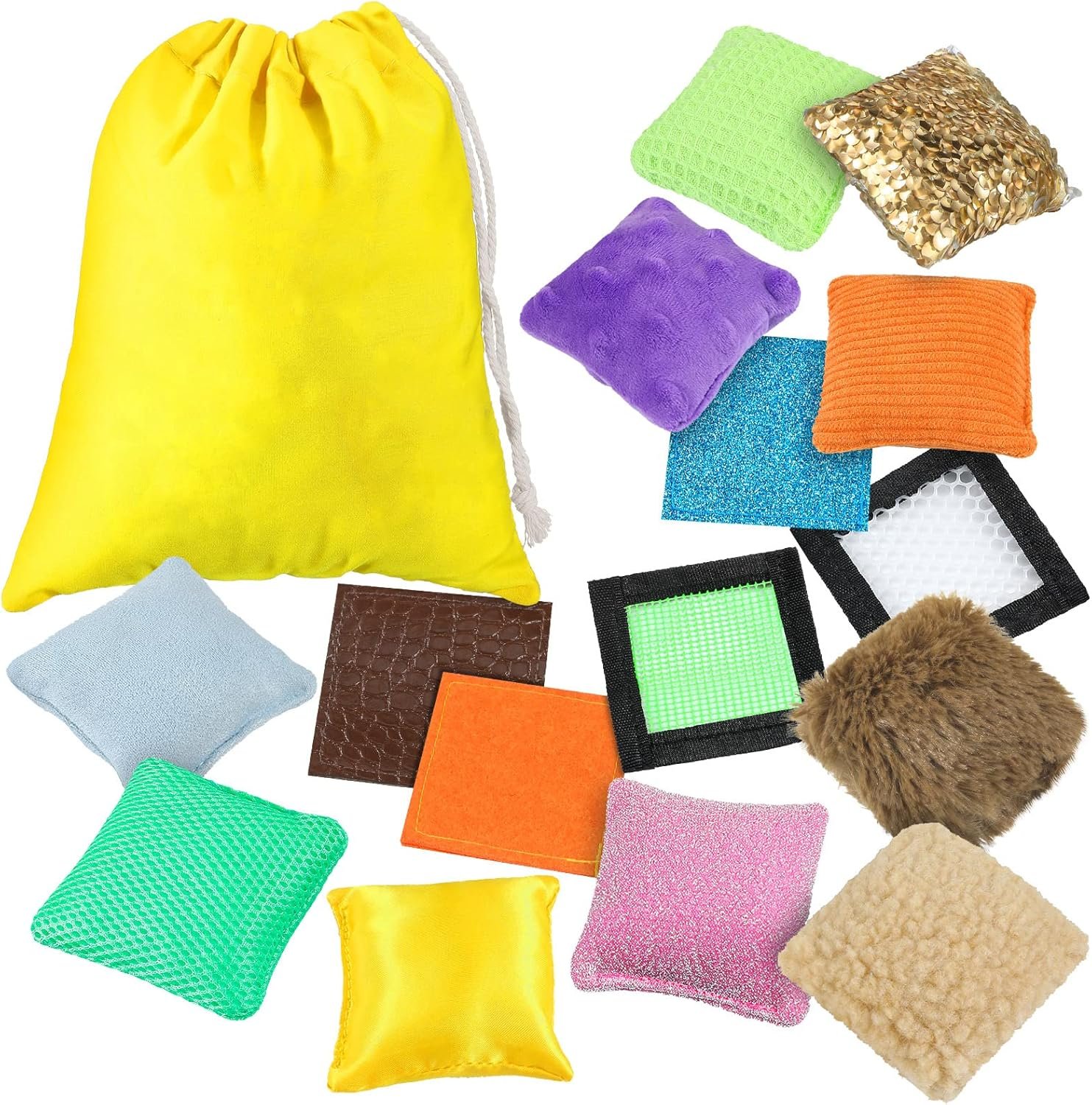
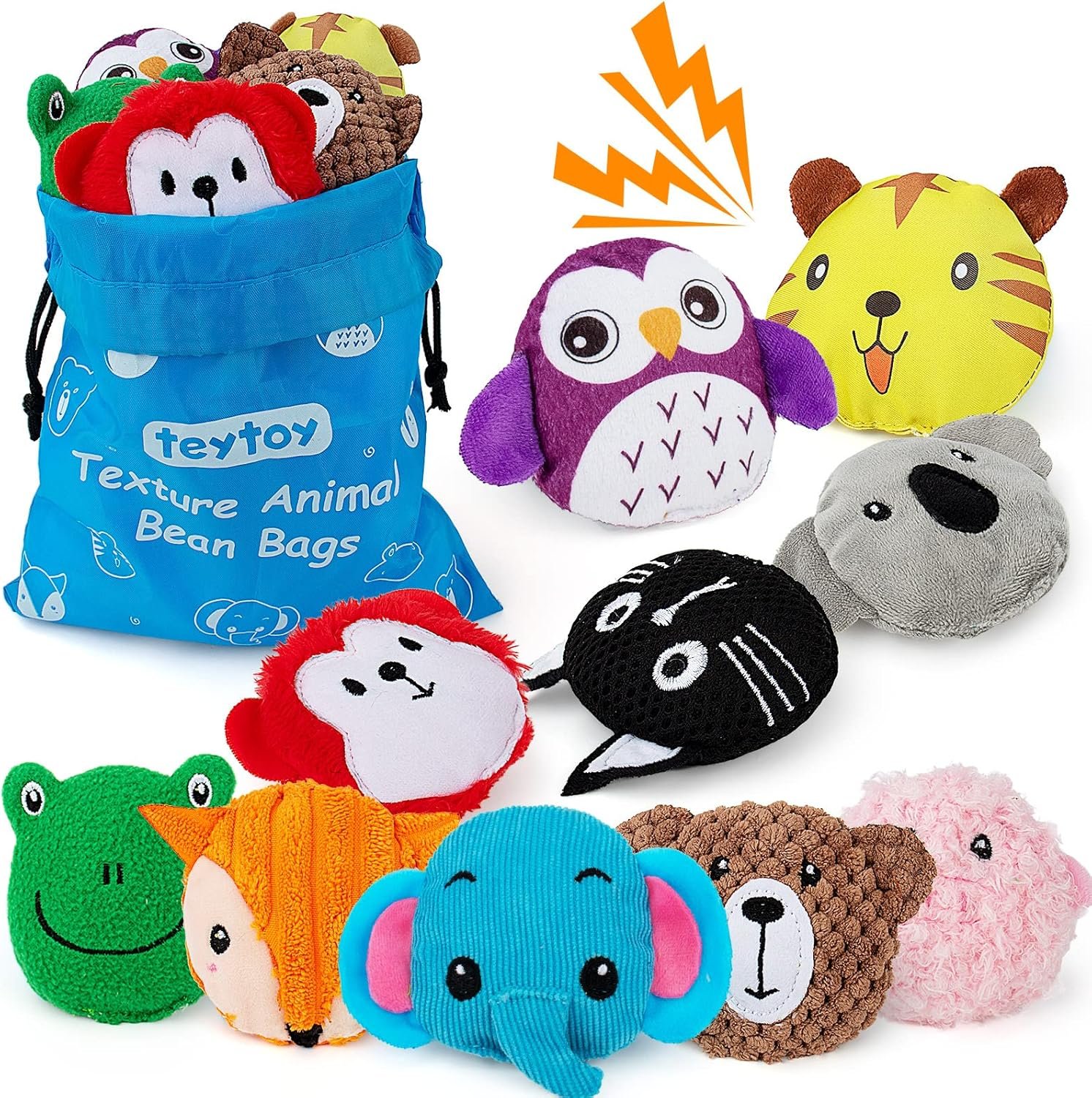
7. Sensory Bags
|
|
|
|
Our Rating:
3.5
|
Our Rating:
3.5
|
Our Rating:
3.5
|
|
N/A
|
N/A
|
N/A
|
Materials Needed
- Ziplock bags
- Hair gel
- Glitter
- Foam shapes
Why It Works
Toddlers can squish and explore safely without creating mess.
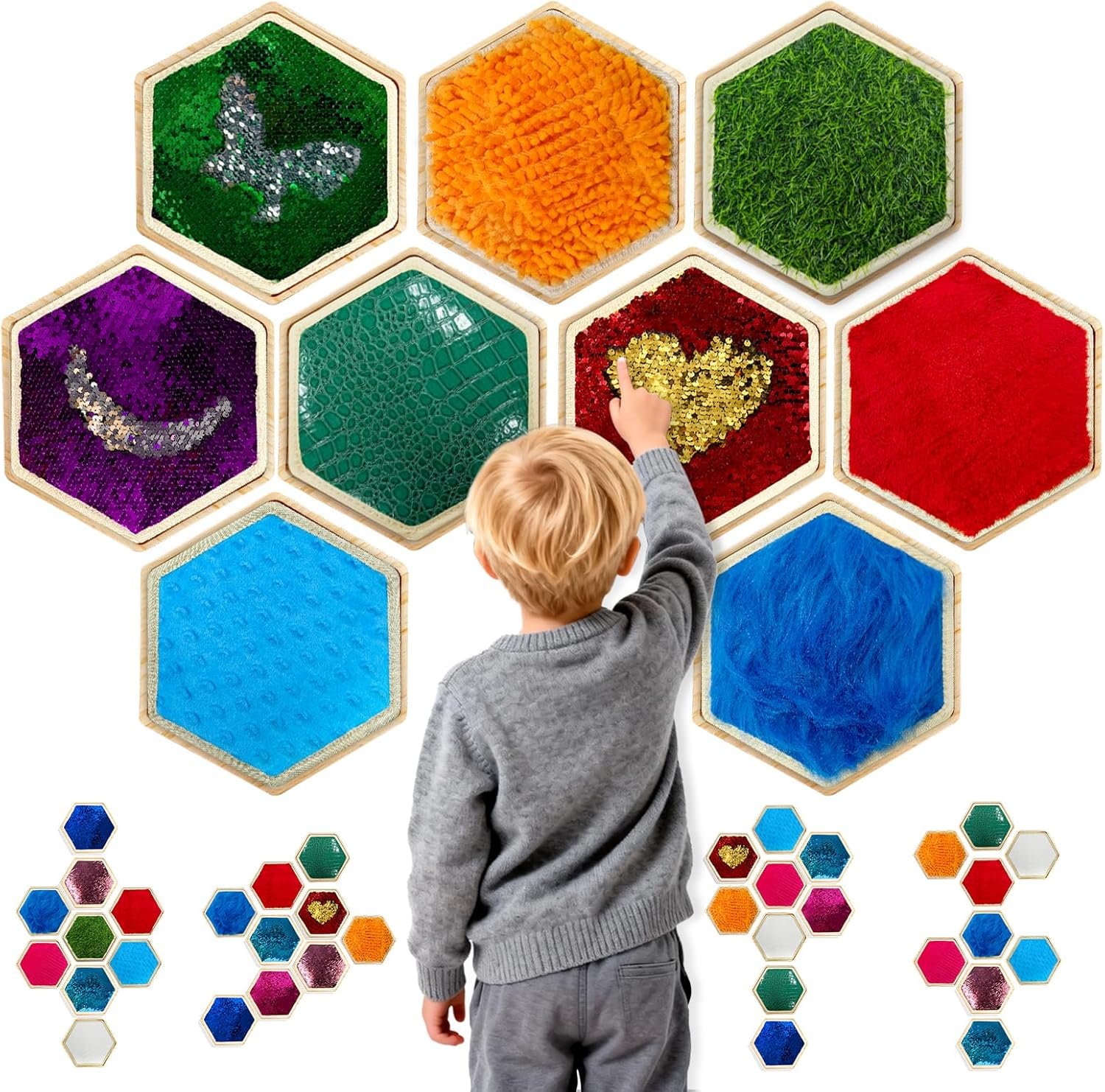
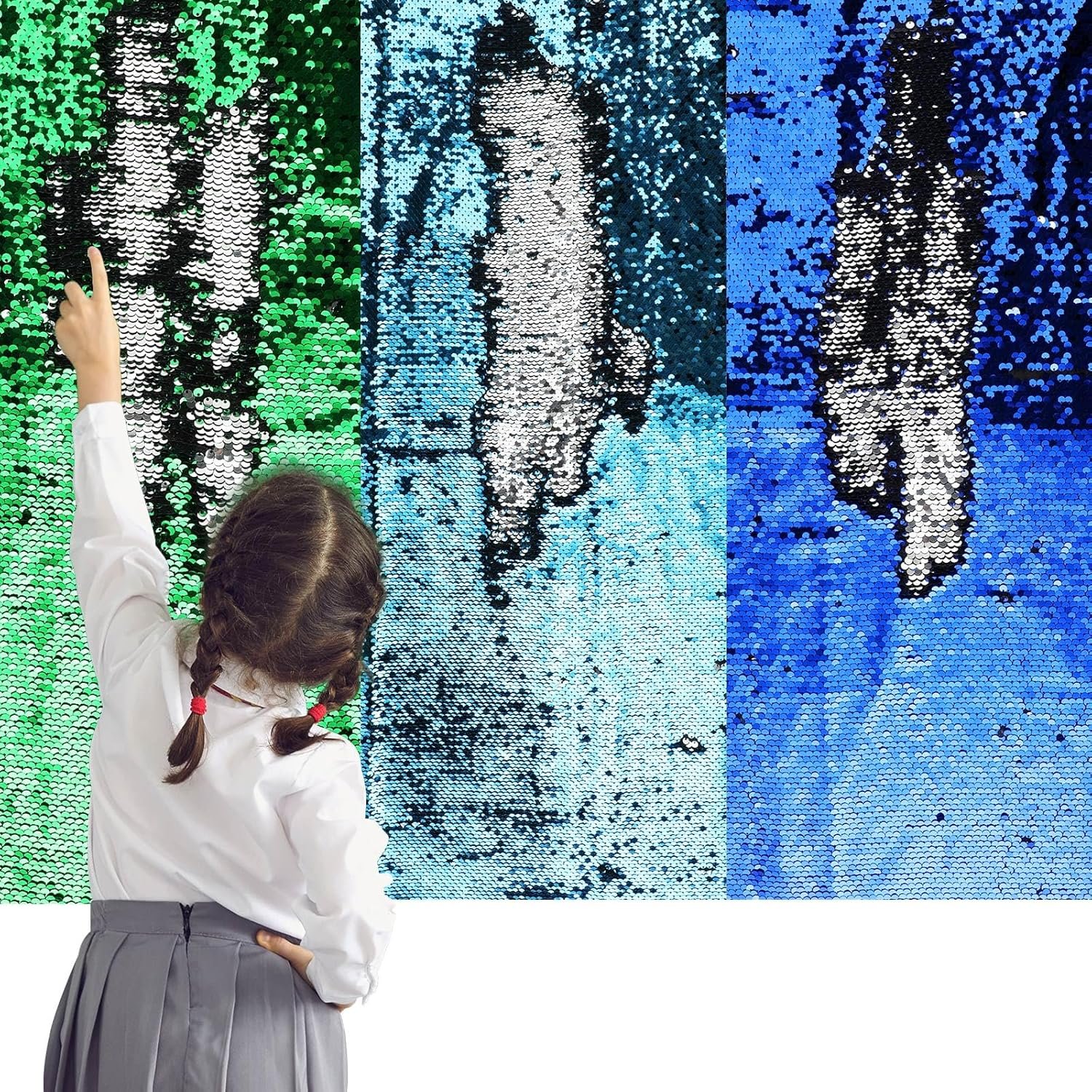
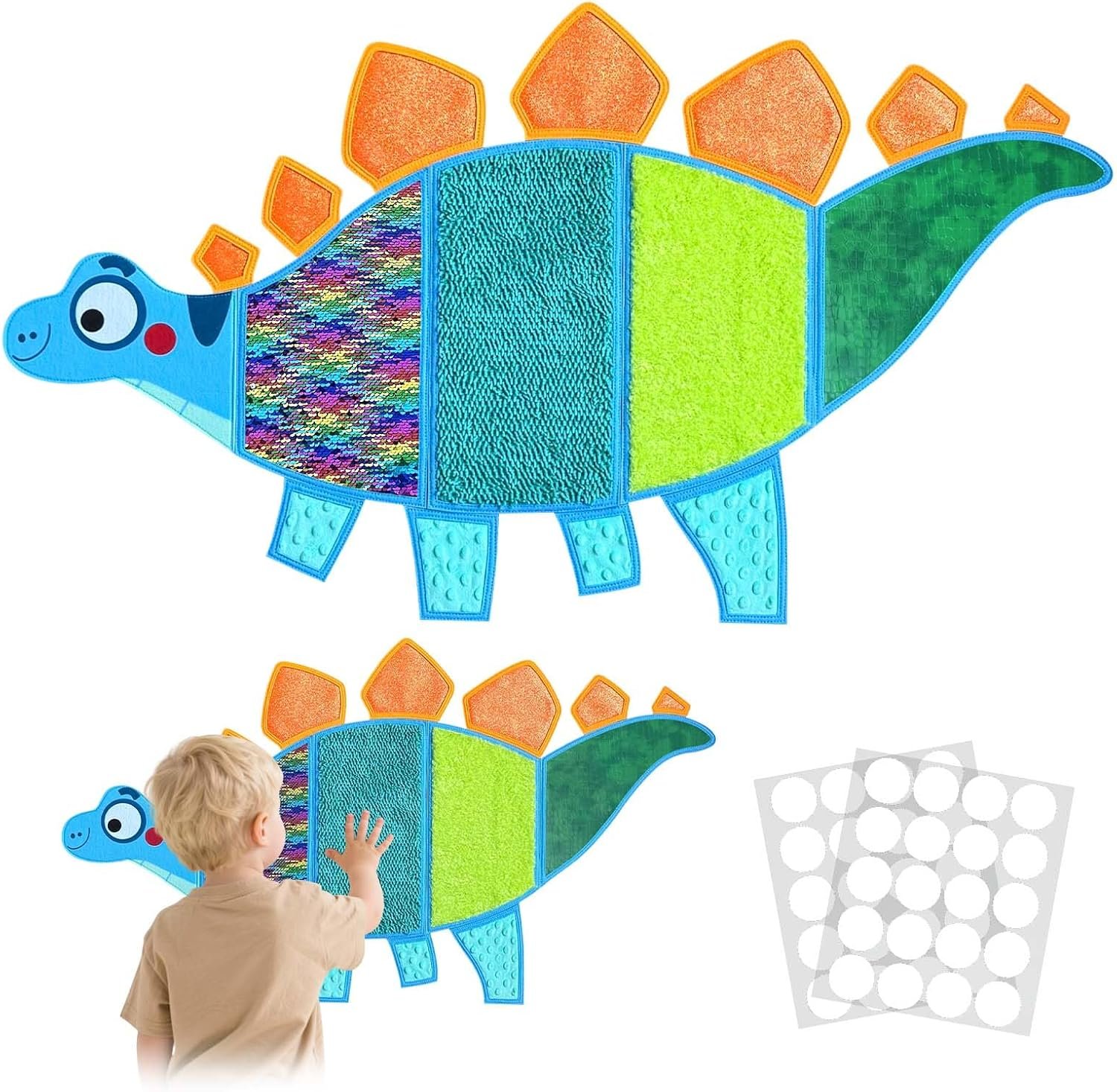
8. Sticker Sensory Wall
|
|
|
|
Our Rating:
3.5
|
Our Rating:
3.5
|
Our Rating:
3.5
|
|
N/A
|
N/A
|
N/A
|
Materials Needed
- Stickers
- Large paper sheet
Skills Developed
- Finger strength
- Creativity
- Focus
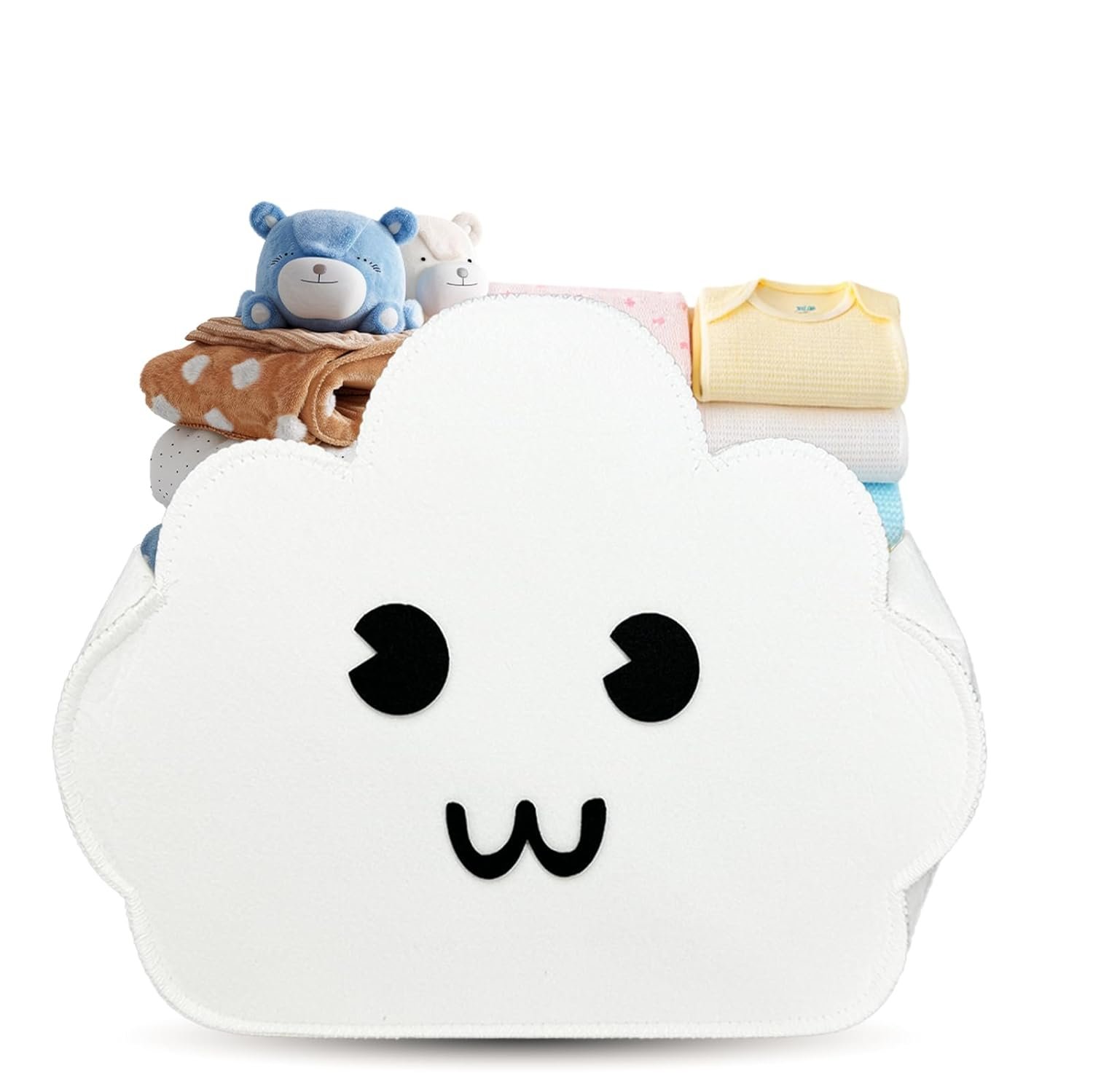
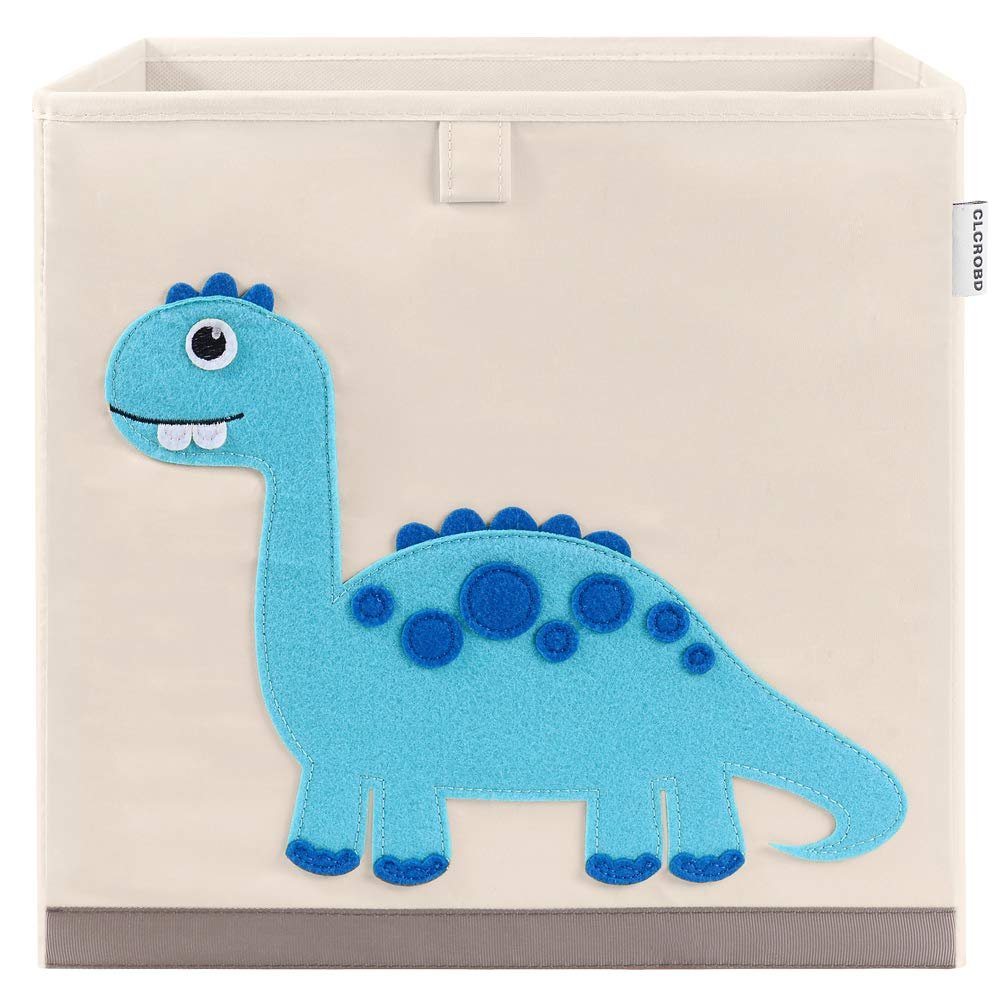
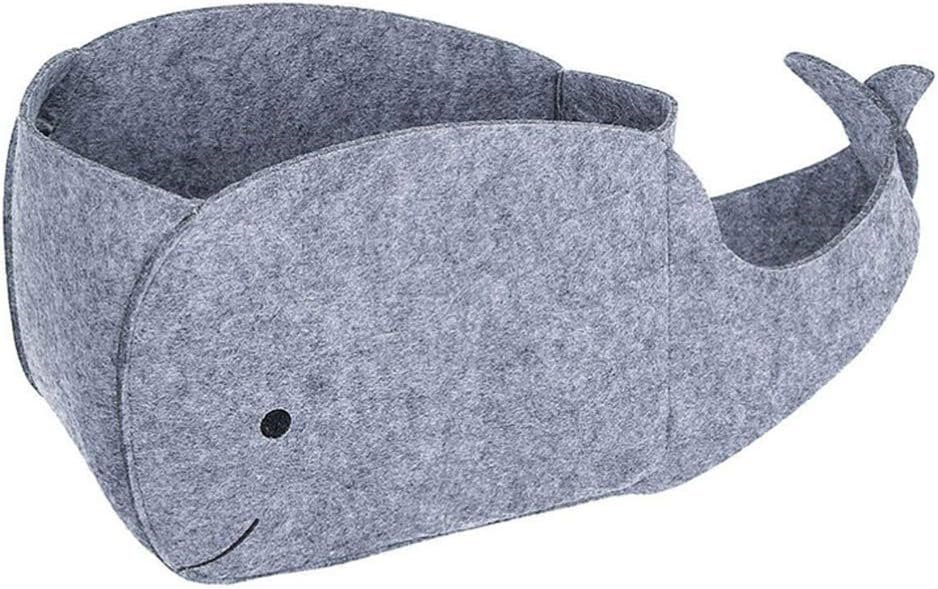
9. Felt Shape Bin
|
|
|
|
Our Rating:
3.5
|
Our Rating:
3.5
|
Our Rating:
3.5
|
|
N/A
|
N/A
|
N/A
|
Materials Needed
- Felt pieces
- Fabric scraps
- Soft pom-poms
Best For
- Texture exploration
- Quiet indoor play
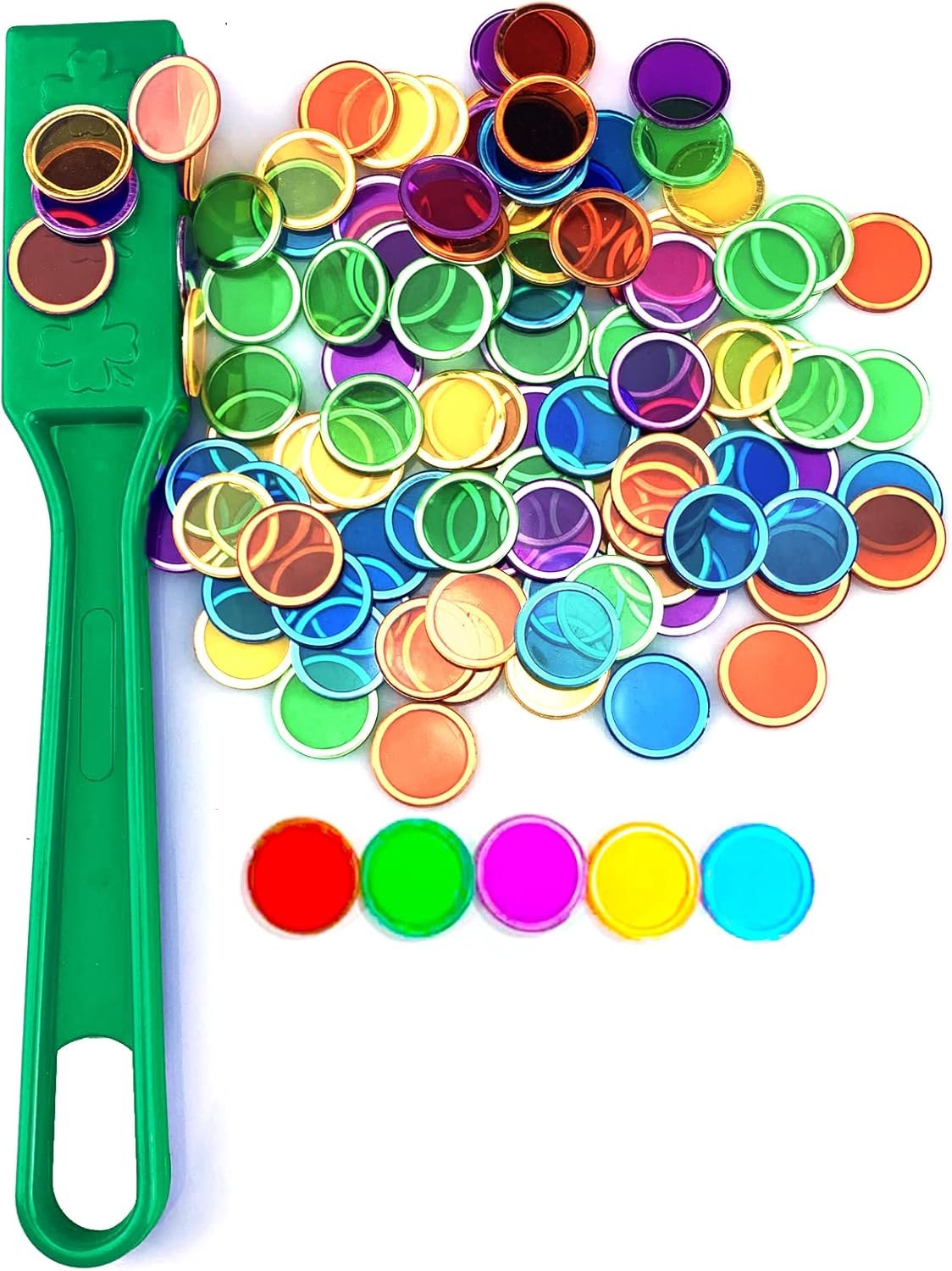
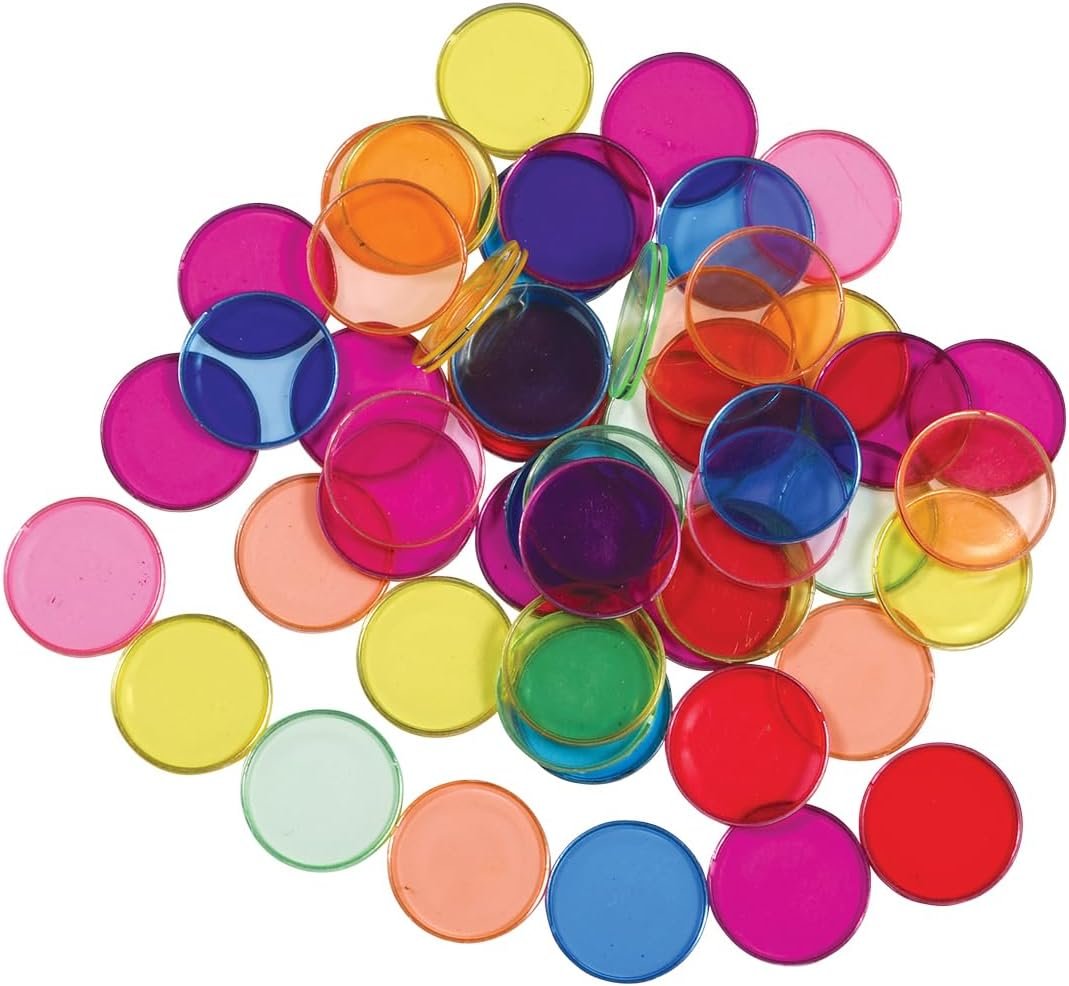
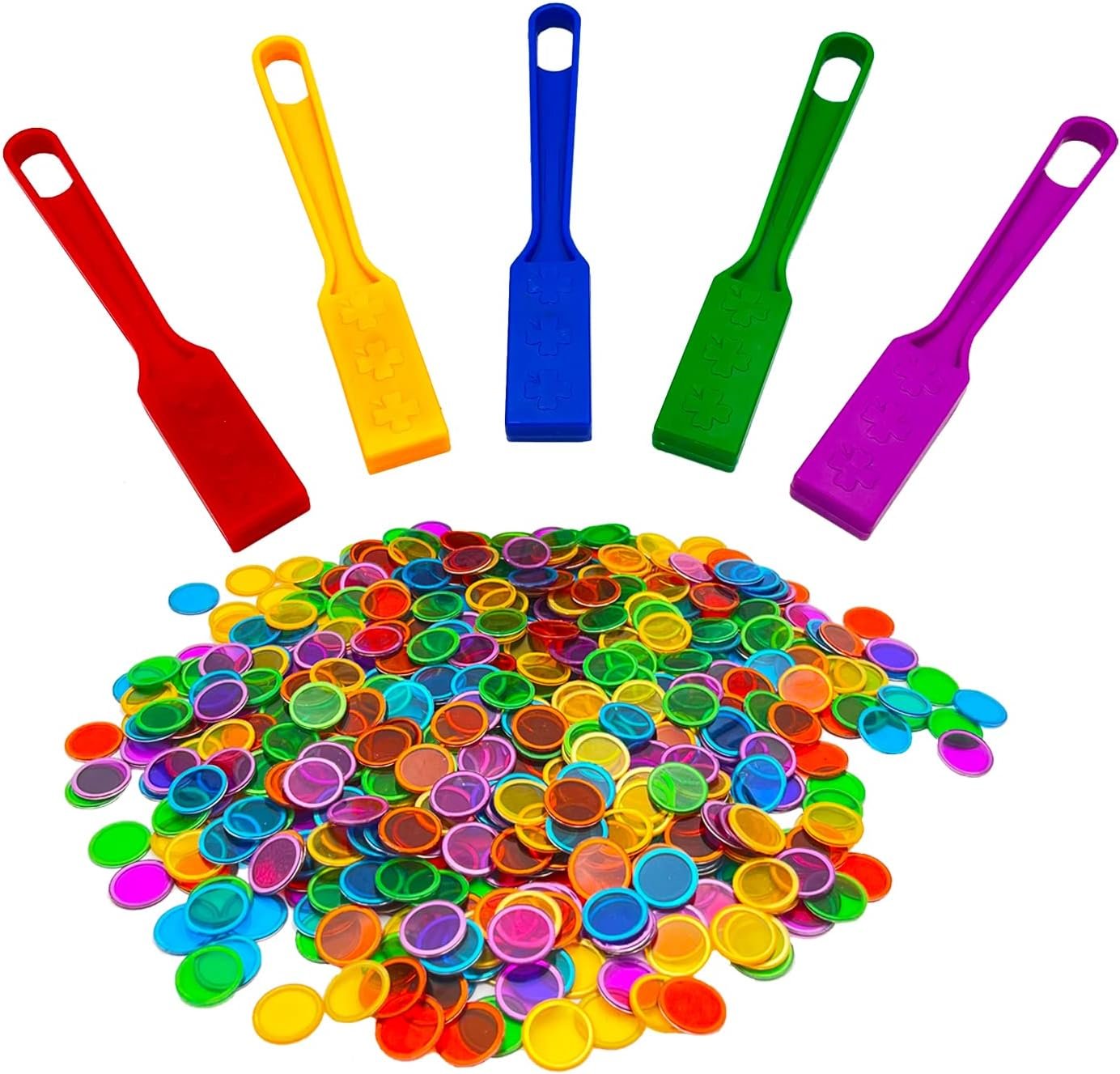
10. Magnetic Sensory Bin
|
|
|
|
Our Rating:
3.5
|
Our Rating:
3.5
|
Our Rating:
3.5
|
|
N/A
|
N/A
|
N/A
|
Materials Needed
- Magnetic letters
- Toy magnets
- Cookie tray
Benefits
Combines sensory play with early learning skills.
Nature-Themed Sensory Bin Ideas
Nature bins encourage outdoor exploration and sensory learning.
11. Leaf Exploration Bin
Materials Needed
- Leaves
- Pinecones
- Sticks
- Small scoops
Skills Developed
- Observation
- Texture exploration
- Language development
12. Mud Kitchen Bin
Materials Needed
- Dirt
- Water
- Toy kitchen tools
Why Kids Love It
Messy pretend play encourages creativity and sensory exploration.
13. Ocean Sensory Bin
Materials Needed
- Blue water beads or dyed rice
- Toy sea animals
- Shells
Safety Tip
Avoid water beads with young toddlers due to choking risks.
14. Garden Sensory Bin
Materials Needed
- Artificial flowers
- Toy insects
- Soil or beans
Best For
- Nature-themed learning
- Fine motor skills
15. Rock and Pebble Bin
Materials Needed
- Smooth stones
- Toy trucks
- Scoops
Benefits
Supports tactile exploration and imaginative play.
Seasonal DIY Sensory Bin Ideas
Seasonal bins keep sensory play exciting throughout the year.
16. Fall Harvest Bin
Materials Needed
- Mini pumpkins
- Corn kernels
- Leaves
Skills Developed
- Sorting
- Sensory awareness
- Vocabulary building
17. Christmas Snow Bin
Materials Needed
- Cotton balls
- Fake snow
- Holiday figurines
Why It Works
Creates winter sensory play indoors.
18. Halloween Sensory Bin
Materials Needed
- Orange rice
- Plastic spiders
- Mini pumpkins
Best For
- Seasonal fun
- Texture exploration
19. Spring Flower Bin
Materials Needed
- Artificial flowers
- Green shredded paper
- Toy butterflies
Benefits
Encourages imaginative nature play.
20. Summer Water Bin
Materials Needed
- Water
- Floating toys
- Cups and funnels
Skills Developed
- Pouring
- Coordination
- Sensory regulation
Educational Sensory Bin Ideas
Sensory bins can also support early learning concepts.
21. Alphabet Sensory Bin
Materials Needed
- Foam letters
- Rice
- Small containers
Benefits
Introduces letter recognition through play.
22. Counting Sensory Bin
Materials Needed
- Number cards
- Pom-poms
- Counting cups
Skills Developed
- Early math
- Sorting
- Fine motor control
23. Color Sorting Bin
Materials Needed
- Colored objects
- Matching bowls
Why It Helps
Builds visual discrimination and organization skills.
24. Animal Rescue Bin
Materials Needed
- Toy animals
- Rice or shredded paper
- Scoops
Benefits
Encourages imaginative storytelling and problem-solving.
25. Construction Sensory Bin
Materials Needed
- Kinetic sand
- Toy trucks
- Small rocks
Best For
- Creative play
- Fine motor development
Best Sensory Bin Fillers for Toddlers
Choosing the right filler can make sensory play safer and more enjoyable.
Safe Fillers for Toddlers
- Oats
- Rice
- Pasta
- Cotton balls
- Water
- Sand
- Pom-poms
- Shredded paper
Fillers to Use Carefully
- Water beads
- Small marbles
- Tiny buttons
Always consider choking risks and supervise appropriately.
Sensory Bin Safety Tips
Safety is one of the most important parts of toddler sensory play.
Supervise Constantly
Toddlers should never use sensory bins without adult supervision.
Avoid Choking Hazards
Small objects can be dangerous for young children.
Use Taste-Safe Materials When Needed
Younger toddlers often explore with their mouths.
Watch for Allergies
Avoid fillers that may trigger allergies or skin irritation.
Wash Hands After Play
Encourage handwashing after sensory activities.
Easy Sensory Bin Cleanup Tips
Many parents avoid sensory bins because they worry about mess. Simple strategies can make cleanup easier.
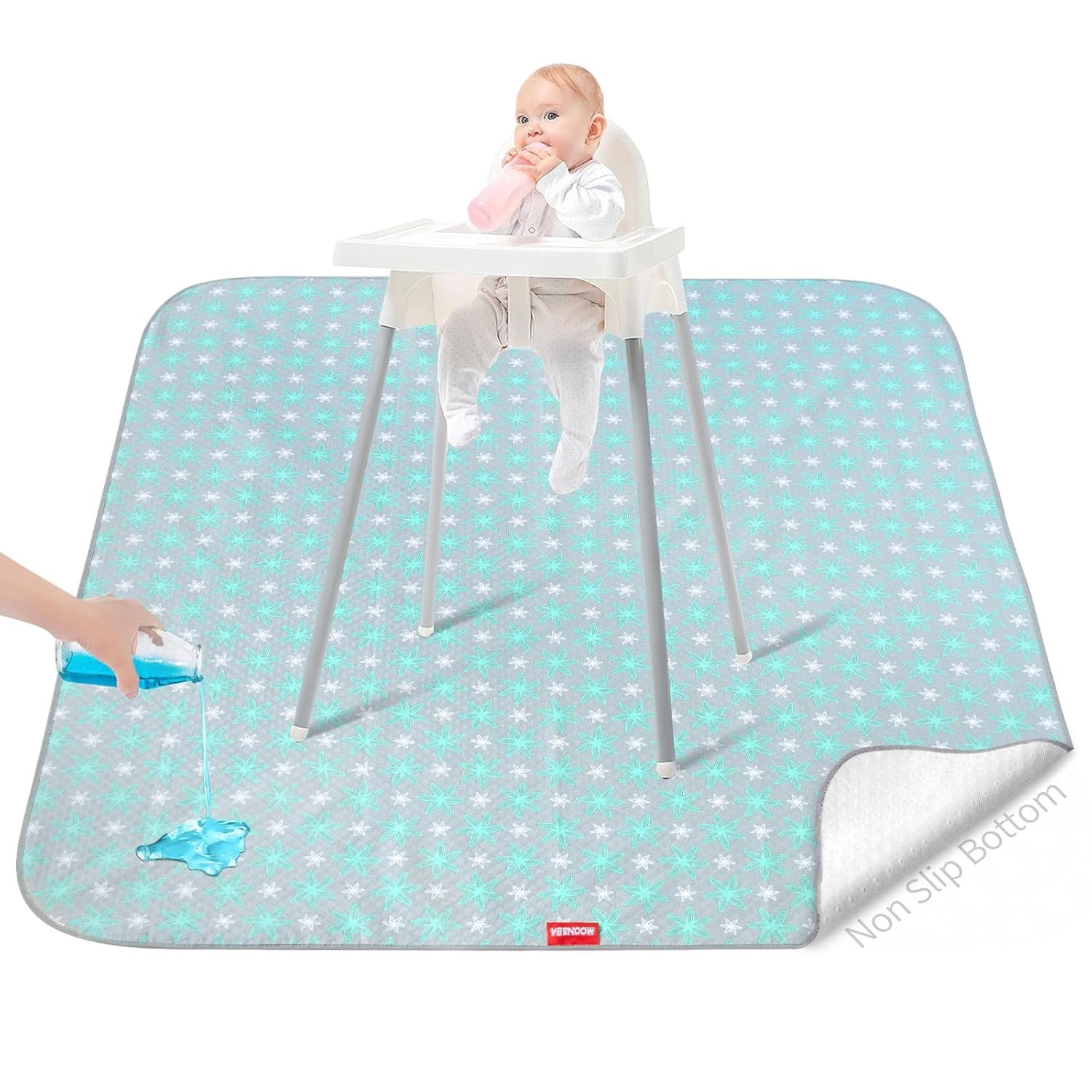
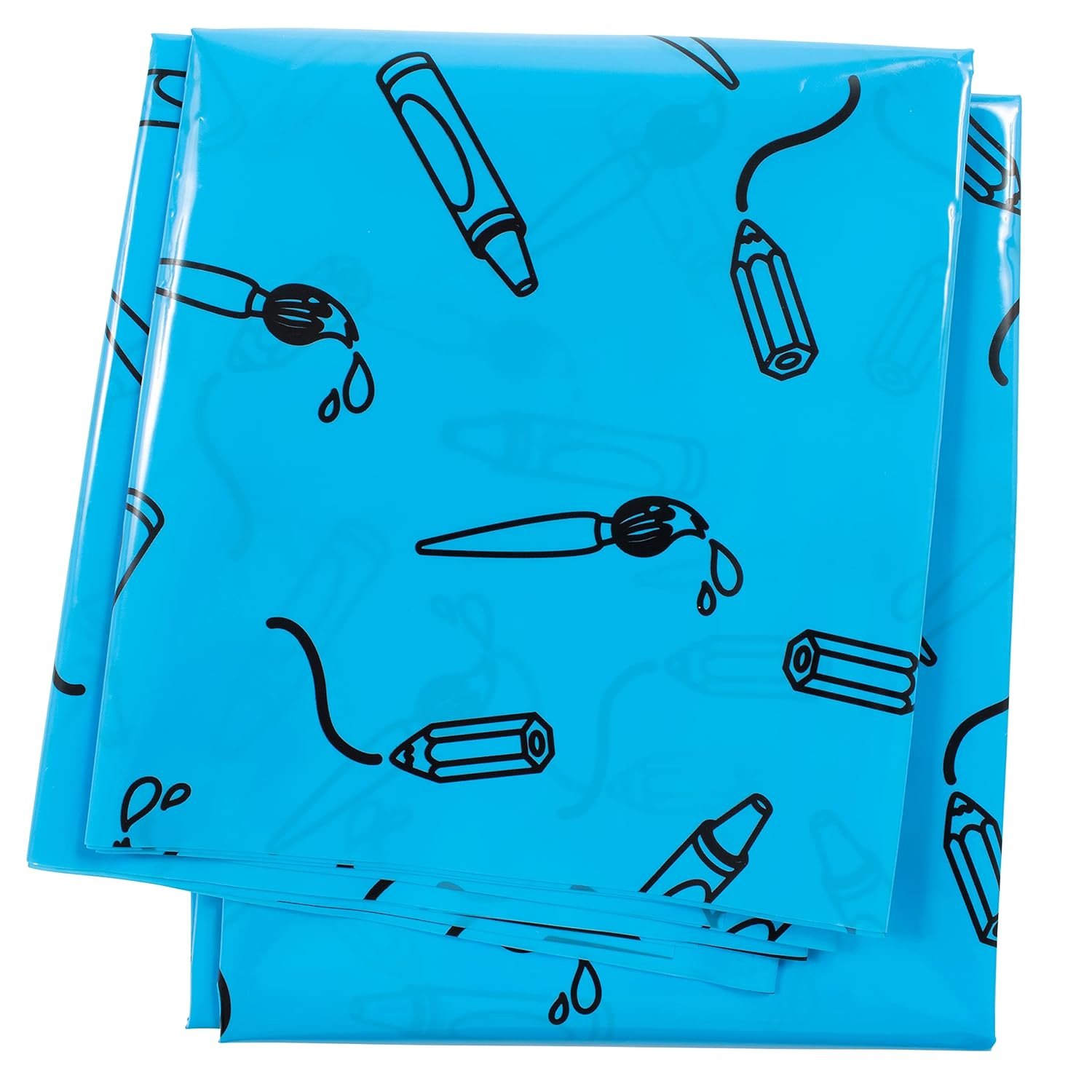
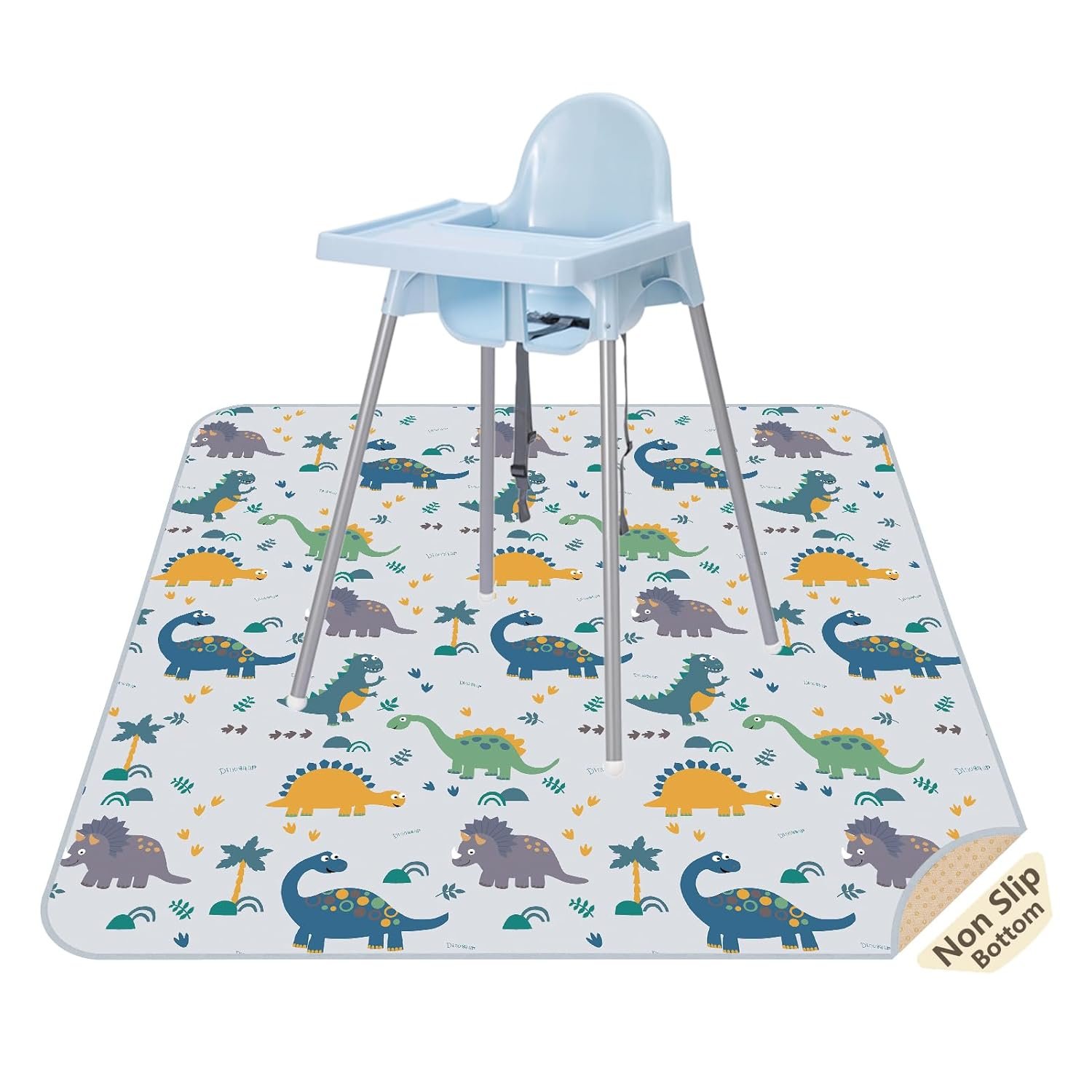
Use a Play Mat
Place a large mat or sheet under the sensory bin.
Limit Materials
Use smaller amounts of fillers to reduce spills.
Rotate Sensory Bins
Store extra materials in containers and rotate bins weekly.
Use Lidded Containers
Lidded bins help keep materials organized between play sessions.
How Sensory Bins Support Toddler Development
Sensory bins are more than entertainment. They support important developmental skills through hands-on learning.
Cognitive Development
Toddlers learn through experimenting, sorting, and problem-solving.
Fine Motor Skills
Scooping, pinching, and grasping strengthen small hand muscles.
Language Skills
Children learn descriptive vocabulary during sensory play.
Emotional Regulation
Many toddlers feel calmer during repetitive sensory activities.
Social Skills
Shared sensory play encourages communication and cooperation.
Frequently Asked Questions
What do you put in a toddler sensory bin?
Common sensory bin fillers include rice, pasta, oats, pom-poms, water, sand, cotton balls, and shredded paper along with scoops, toys, and containers.
Are sensory bins good for toddlers?
Yes. Sensory bins support fine motor skills, language development, creativity, sensory processing, and independent play.
What age are sensory bins appropriate for?
Sensory bins can be introduced during toddlerhood with close supervision and age-appropriate materials.
How do you make a cheap sensory bin?
Use household materials such as rice, cereal, water, spoons, cups, and recycled containers to create affordable sensory bins.
Are water beads safe for toddlers?
Water beads can pose choking risks and should be used carefully or avoided with young toddlers.
How do you clean sensory bins?
Use mats under bins, store fillers in containers, and vacuum or wipe surfaces after play.
Conclusion
DIY sensory bin ideas for toddlers provide a simple and effective way to encourage hands-on learning, creativity, and sensory exploration at home. From taste-safe oatmeal bins to educational alphabet sensory play, these activities help toddlers develop important cognitive, emotional, and motor skills while having fun.
The best sensory bins do not need to be expensive or complicated. Many engaging activities can be created using everyday household items and simple materials already available at home.
By choosing age-appropriate fillers, supervising carefully, and rotating creative themes regularly, parents can create safe, engaging sensory experiences that support healthy toddler development and independent play every day.