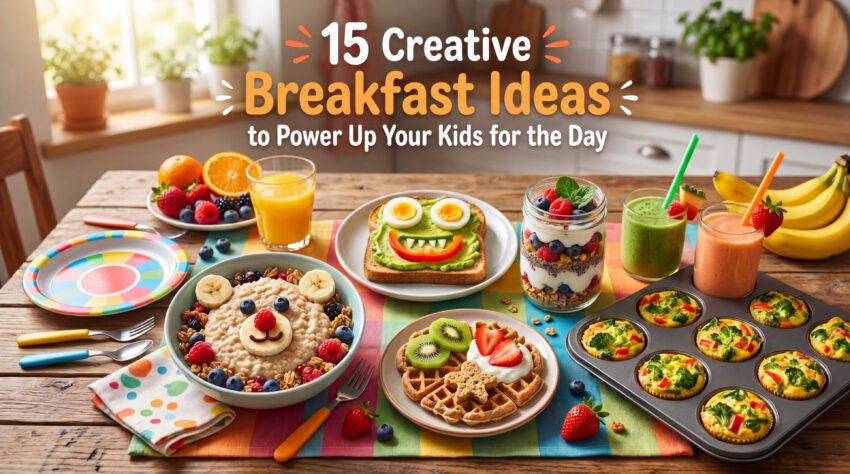
Mornings in a busy household are often a race against the clock. Between organizing school supplies, managing daily schedules, and getting everyone dressed, preparing a nutritious breakfast frequently becomes an afterthought. Consequently, parents often default to highly processed, sugar-laden cereals or frozen pastries simply to ensure their children eat something before rushing out the door. However, the morning meal is critical for a child’s cognitive function, sustained energy, and emotional regulation throughout the school day.
The challenge lies in bridging the gap between nutritional necessity and a child’s willingness to eat. Picky eaters are famously averse to monotonous or visually unappealing food. The solution is not to spend hours cooking elaborate gourmet meals, but to introduce creative, visually engaging breakfasts that capture a child’s imagination. By applying a modern, clean aesthetic to simple pantry staples, parents can transform the morning routine from a daily battle into an enjoyable, streamlined process.
This comprehensive guide breaks down fifteen highly creative, nutrient-dense breakfast ideas. To accommodate the reality of modern parenting, these recipes are strategically categorized by the amount of preparation time required, ranging from make-ahead lifesavers to weekend culinary projects.
The Psychology of Food Presentation for Children
Before diving into the recipes, it is essential to understand why creative plating works. Children do not evaluate food based on its nutritional profile; they evaluate it based on its visual appeal, texture, and familiarity.
Visual Cleanliness and Order
Children, particularly toddlers and early school-aged kids, often harbor a strong preference for compartmentalization. Foods that touch or are mixed into an unrecognizable casserole can trigger sensory aversion. A minimalist, clean presentation—where ingredients are distinctly separated and identifiable—greatly reduces mealtime anxiety. Using bento boxes or sectioned plates provides a visual order that children find comforting and inviting.
The Power of Novelty
Introducing a familiar ingredient in a novel format instantly bypasses a picky eater’s defensive reflexes. A child who refuses to eat a standard apple slice may eagerly consume that same apple if it is sliced horizontally and topped with seed butter to look like a donut. Creativity in the kitchen is about marketing healthy ingredients to a tough audience through playful geometry, vibrant natural colors, and engaging concepts.
The 3-Minute Dash: Make-Ahead Breakfasts
Monday through Friday, time is the ultimate luxury. These breakfast ideas are designed to be prepared the night before or on Sunday afternoon. When morning arrives, they require less than three minutes to serve, ensuring children receive a wholesome meal even on the most chaotic days.
1. Overnight Chia and Berry Parfaits
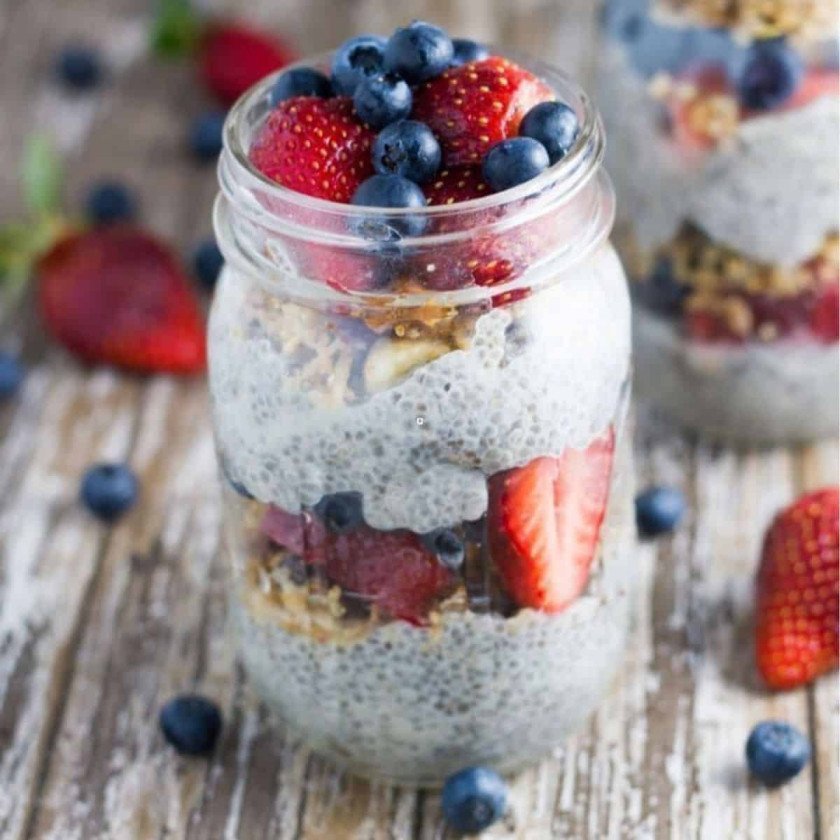
Chia seeds are a nutritional powerhouse, packed with omega-3 fatty acids and fiber. When soaked overnight, they develop a pudding-like texture that mimics dessert.
Ingredients
-
1/4 cup chia seeds
-
1 cup milk (dairy or plant-based)
-
1 tablespoon maple syrup
-
1/2 cup pureed strawberries or raspberries
Preparation Instructions
-
In a clear, minimalist glass jar, whisk together the chia seeds, milk, and maple syrup.
-
Stir vigorously for one minute to prevent the seeds from clumping.
-
Let the mixture rest for ten minutes, then stir once more.
-
Carefully spoon the berry puree over the top to create a clean, distinct layer.
-
Seal the jar and refrigerate overnight. In the morning, serve immediately.
2. Pre-Packaged Smoothie Cubes
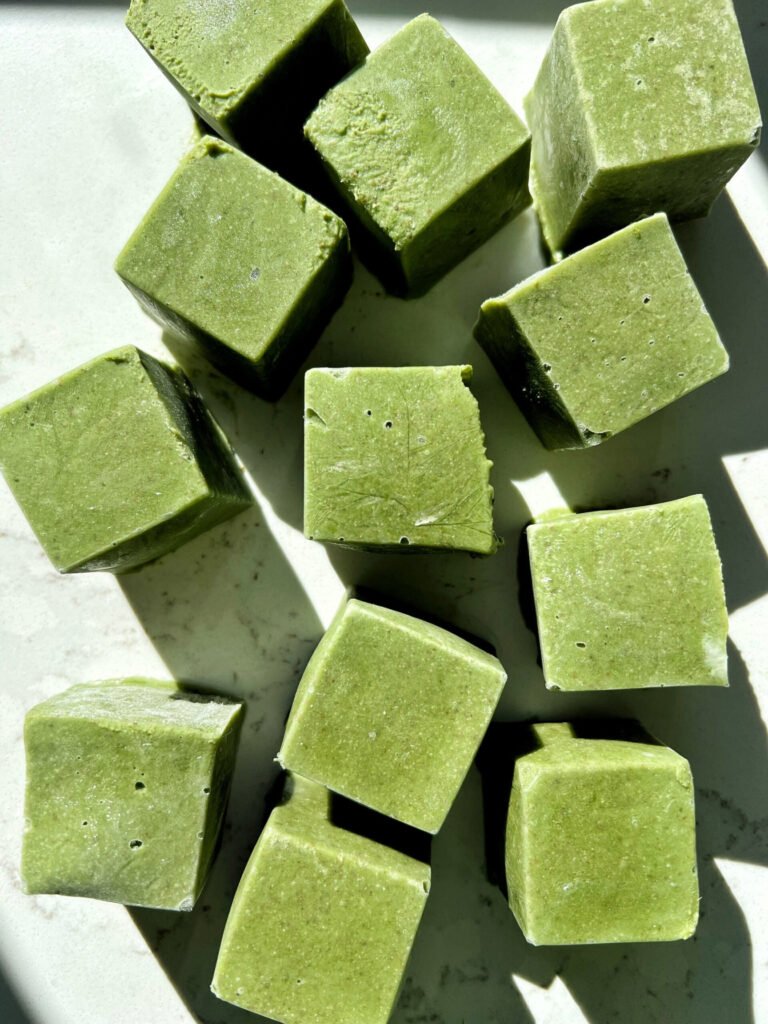
Smoothies are an excellent vehicle for hiding leafy greens, but measuring ingredients every morning is time-consuming. This method streamlines the process completely.
Ingredients
-
2 ripe bananas, mashed
-
1 cup fresh spinach, finely blended
-
1/2 cup Greek yogurt
-
1/2 cup milk
Preparation Instructions
-
In a blender, combine the mashed bananas, spinach, and Greek yogurt until completely smooth.
-
Pour the vibrant green mixture into a standard silicone ice cube tray and freeze solid.
-
Transfer the frozen cubes into an airtight storage container.
-
In the morning, place four to five cubes into a blender, add a half-cup of milk, and blend for thirty seconds for a frosty, nutrient-dense drink.
3. Frozen Yogurt and Fruit Bark
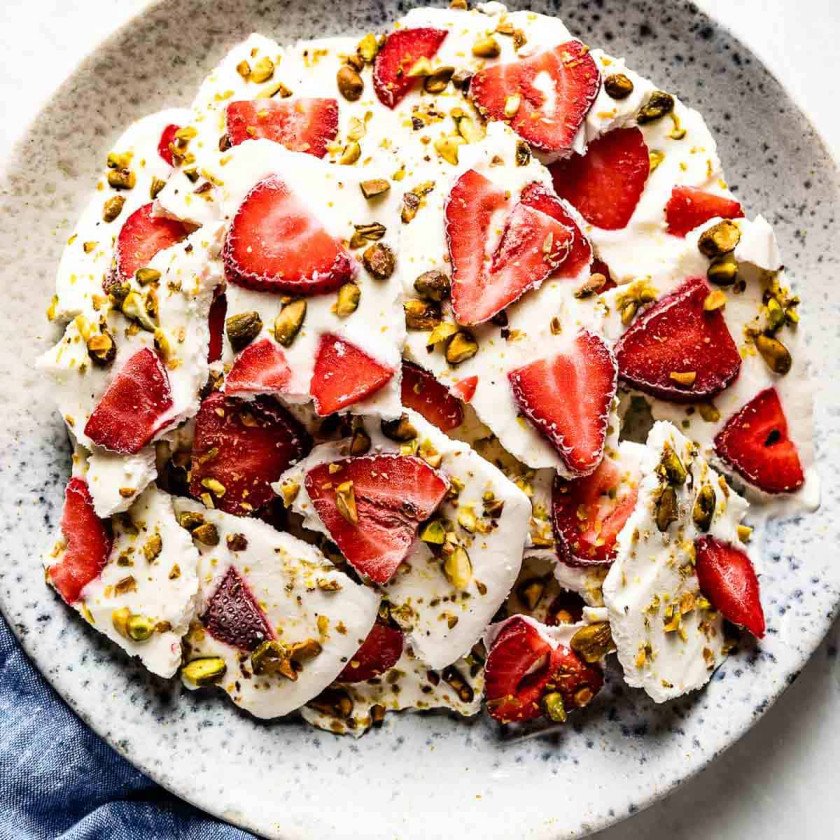
This recipe transforms standard yogurt into a fun, tactile food that children can eat with their hands.
Ingredients
-
2 cups plain, full-fat Greek yogurt
-
2 tablespoons honey
-
1/2 cup blueberries
-
1/4 cup low-sugar granola
Preparation Instructions
-
Line a baking sheet with parchment paper.
-
Mix the Greek yogurt and honey in a bowl, then spread the mixture evenly onto the parchment paper to a half-inch thickness.
-
Press the blueberries and granola firmly into the surface of the yogurt.
-
Freeze for at least four hours. Once solid, break the sheet into jagged, hand-held shards.
-
Store the bark in the freezer and serve a few pieces for a fast, refreshing breakfast.
4. Wholesome Apple Cinnamon Breakfast Cookies
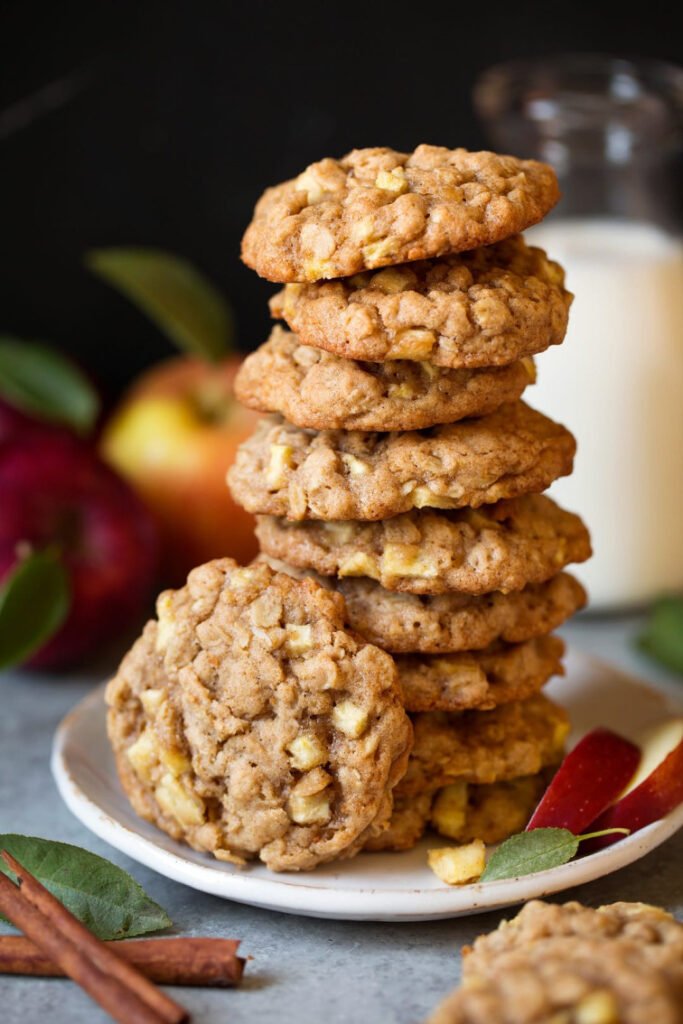
Cookies for breakfast sound like a purely indulgent treat, but these are formulated entirely from whole grains and natural fruit.
Ingredients
-
1 cup rolled oats
-
1/2 cup unsweetened applesauce
-
1/4 cup natural peanut butter (or sunflower seed butter)
-
1 teaspoon cinnamon
Preparation Instructions
-
Preheat your oven to 350 degrees Fahrenheit.
-
In a mixing bowl, aggressively combine the oats, applesauce, seed butter, and cinnamon until a thick dough forms.
-
Form the dough into flat, round discs and place them on a greased baking sheet.
-
Bake for twelve minutes. Allow them to cool completely.
-
Store in an airtight container for up to five days. These are perfect for eating in the car on the way to school.
5. Mini Crustless Quiche Cups
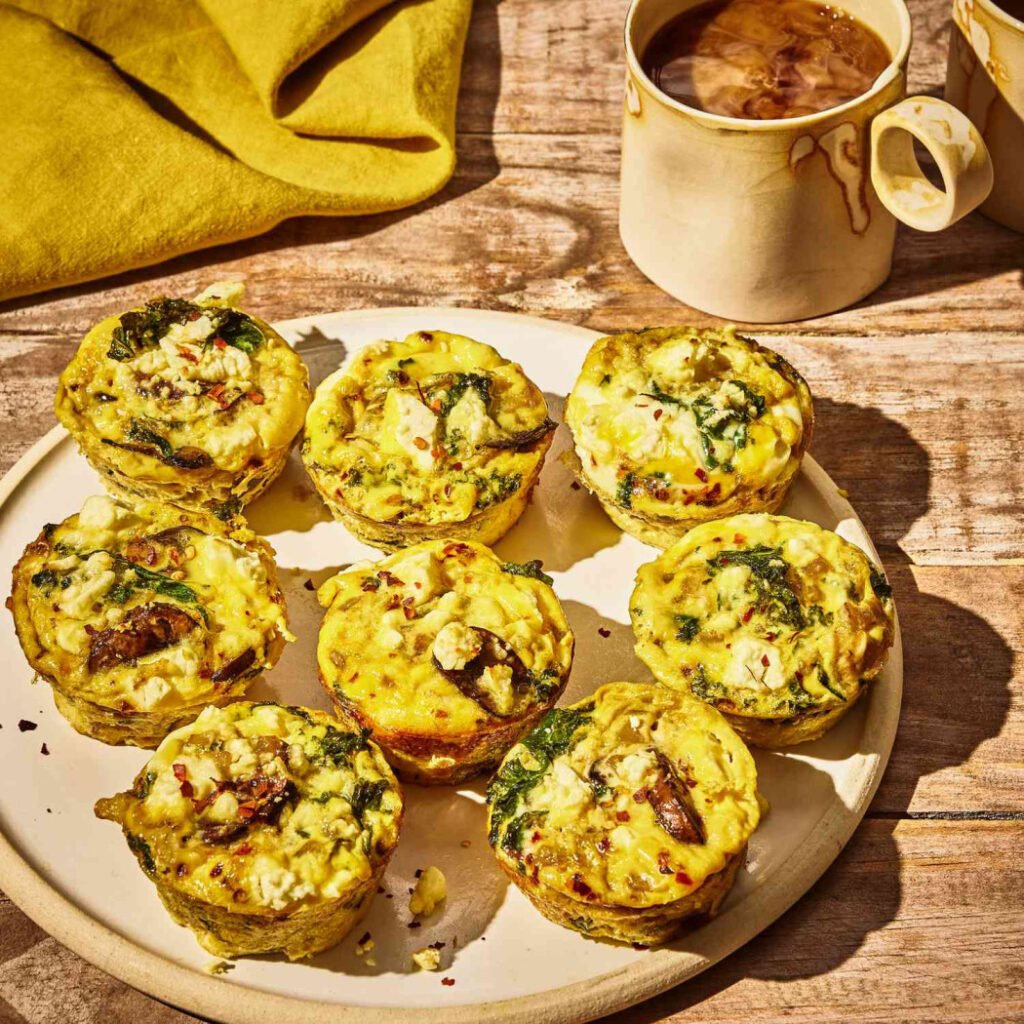
Eggs provide the protein necessary to keep kids full until lunch, but cooking them to order is often impossible on a weekday. Baking them in a muffin tin solves this issue.
Ingredients
-
6 large eggs
-
1/4 cup milk
-
1/2 cup finely chopped broccoli florets
-
1/2 cup shredded cheddar cheese
Preparation Instructions
-
Preheat the oven to 375 degrees Fahrenheit and heavily grease a standard muffin tin.
-
Whisk the eggs and milk together in a large measuring cup with a pour spout.
-
Distribute the chopped broccoli and cheese evenly among six muffin cups.
-
Pour the egg mixture over the vegetables until each cup is three-quarters full.
-
Bake for eighteen minutes until the centers are set. Store in the refrigerator and microwave for twenty seconds before serving.
The 10-Minute Assembly: Quick and Creative Plating
When you have ten minutes to spare, you can leverage simple plating techniques to make standard breakfast fare highly engaging. These recipes focus on visual creativity without requiring complex culinary skills.
6. Animal Face Toast
A slice of toast with peanut butter is boring. A slice of toast that looks like a bear is a delightful morning surprise that encourages immediate consumption.
Ingredients
-
1 slice whole-wheat or sourdough bread, toasted
-
2 tablespoons almond butter or sunflower seed butter
-
3 banana slices
-
3 blueberries
Plating Instructions
-
Spread a smooth, even layer of the nut or seed butter across the entire surface of the toast.
-
Place two banana slices at the top corners of the toast to represent ears.
-
Place the third banana slice in the lower center of the toast to act as the snout.
-
Place one blueberry on top of the snout for the nose, and the remaining two blueberries above it for the eyes.
7. Apple Sandwich Stackers
Replacing heavy bread with crisp apple slices provides a refreshing, hydrating alternative that is rich in fiber.
Ingredients
-
1 large, crisp apple (such as Honeycrisp or Fuji)
-
2 tablespoons cream cheese, softened
-
1 tablespoon raisins
Plating Instructions
-
Core the apple and slice it horizontally into thick, round rings.
-
Take one apple ring and spread a thick layer of cream cheese over the top.
-
Sprinkle the raisins evenly across the cream cheese.
-
Top with a second apple ring to create a sandwich. This provides a satisfying crunch and a perfect balance of sweet and tart flavors.
8. The Breakfast Bento Box
Bento boxes appeal to a child’s desire for visual order. By offering a tapas-style breakfast, children feel a sense of autonomy in choosing what to eat first.
Ingredients
-
1 hard-boiled egg, peeled and halved
-
1/2 cup cubed cheddar cheese
-
1/2 cup fresh raspberries
-
1 small handful of whole-grain crackers
Plating Instructions
-
Utilize a clean, multi-compartment bento box.
-
Place each ingredient strictly in its own compartment, ensuring nothing touches or overlaps.
-
The distinct separation of colors—the white and yellow of the egg, the orange of the cheese, and the vivid red of the berries—creates an incredibly appealing, aesthetically pleasing meal that feels like a picnic.
9. Waffle Iron Hash Browns
Standard hash browns take a long time to crisp in a skillet and require constant monitoring. Using a waffle iron speeds up the process and creates a fun, structural shape.
Ingredients
-
1 cup frozen shredded hash browns, completely thawed
-
1 tablespoon olive oil
-
A pinch of salt
Plating Instructions
-
Preheat a standard waffle iron and grease it generously.
-
Toss the thawed hash browns with the olive oil and salt.
-
Spread the potatoes evenly across the waffle iron, close the lid, and press down firmly.
-
Cook for roughly five to seven minutes until golden brown and crispy. The waffle grid pattern makes the potatoes highly dippable in ketchup or Greek yogurt.
10. Fruit and Waffle Skewers
Serving food on a stick instantly elevates its appeal. This is a brilliant way to repurpose leftover weekend waffles.
Ingredients
-
1 leftover frozen waffle, toasted and cut into one-inch squares
-
1/2 cup fresh strawberries, hulled and halved
-
1/2 cup melon chunks
-
Wooden skewers (ensure the sharp tips are snipped off for safety)
Plating Instructions
-
Take a child-safe wooden skewer and thread a square of the toasted waffle onto the bottom.
-
Follow with a strawberry half, then a melon chunk.
-
Repeat the pattern until the skewer is full. Serve alongside a small bowl of maple syrup for light dipping.
Weekend Masterpieces: Engaging Culinary Projects
Weekends offer the luxury of time. These recipes are slightly more involved and serve as excellent opportunities to invite your children into the kitchen to assist with the preparation, teaching them foundational culinary skills.
11. Rainbow Fruit Pizzas
This recipe combines art and nutrition. Children can exercise their creativity by designing their own edible color wheels.
Ingredients
-
1 whole-wheat pita bread or large flatbread
-
3 tablespoons vanilla Greek yogurt
-
An assortment of colorful fruits: sliced strawberries (red), mandarin oranges (orange), pineapple chunks (yellow), kiwi slices (green), and blueberries (blue)
Preparation Instructions
-
Lightly toast the pita bread so it provides a sturdy, warm base.
-
Have the child use a dull butter knife to spread an even layer of vanilla yogurt across the pita, acting as the “pizza sauce.”
-
Provide the chopped fruit in separate bowls and instruct the child to arrange the fruit in concentric, color-coded circles to create a vibrant rainbow pattern.
12. Spinach and Banana “Monster” Pancakes
Hiding vegetables in baked goods is a classic strategy, but this recipe leans into the green color, framing it as a fun, themed meal rather than a trick.
Ingredients
-
1 cup whole-wheat flour
-
1 cup milk
-
1 large egg
-
1 ripe banana
-
1 massive handful of fresh spinach
Preparation Instructions
-
In a blender, combine the milk, egg, banana, and spinach. Blend on high until the mixture is completely liquefied and bright green.
-
Pour the wet mixture into a bowl containing the whole-wheat flour and stir until just combined.
-
Pour small circles of batter onto a hot, greased skillet. Cook until bubbles form, then flip.
-
Serve the vibrant green pancakes to the children as “Monster Pancakes,” completely neutralizing any suspicion about the hidden spinach.
13. Sweet Potato Toast Boats
Sweet potatoes are a complex carbohydrate that provides sustained, slow-release energy. When sliced thickly, they act as an excellent, nutrient-dense substitute for standard bread.
Ingredients
-
1 large, cylindrical sweet potato
-
Olive oil spray
-
Toppings: mashed avocado, scrambled eggs, or seed butter
Preparation Instructions
-
Wash the sweet potato thoroughly and slice it lengthwise into quarter-inch thick slabs.
-
Spray the slabs lightly with olive oil.
-
Run the sweet potato slabs through a standard pop-up toaster on the highest setting. You may need to toast them two or three times consecutively until they are tender on the inside and slightly blistered on the outside.
-
Top the warm “boats” with avocado or scrambled eggs.
14. Teddy Bear Oatmeal Bowls
Oatmeal is incredibly healthy but visually uninspiring. A few precise garnishes can transform a bowl of beige mush into a delightful character.
Ingredients
-
1/2 cup rolled oats cooked in 1 cup of milk
-
1 tablespoon cocoa powder (stirred in during cooking)
-
1/2 banana, sliced into rounds
-
3 chocolate chips
Preparation Instructions
-
Pour the warm, chocolate-infused oatmeal into a clean, minimalist bowl, smoothing the surface flat with the back of a spoon.
-
Place two banana slices at the top edge of the bowl to act as the bear’s ears.
-
Place one banana slice in the exact center of the oatmeal.
-
Gently press a chocolate chip into the center banana slice for the nose, and place the remaining two chocolate chips directly onto the oatmeal to serve as the eyes.
15. DIY Breakfast Taco Bar
Tacos are not exclusively for dinner. Setting up a breakfast taco bar allows children to customize their meals, drastically reducing complaints and encouraging them to try new combinations.
Ingredients
-
Small, soft corn or flour tortillas
-
Scrambled eggs
-
Black beans, rinsed and warmed
-
Diced tomatoes and mild salsa
-
Shredded cheese
Preparation Instructions
-
Place all the individual ingredients into clean, separate serving bowls.
-
Warm the tortillas and wrap them in a clean kitchen towel.
-
Allow the children to walk down the “line” and build their own tacos. The autonomy provided by this setup makes the meal highly engaging and interactive.
Dietary Substitutions and Allergy Management
Managing food allergies requires vigilance, but it should not prevent children from enjoying creative breakfasts. The recipes detailed above are highly adaptable. Use the following matrix to safely modify the ingredients for common dietary restrictions.
| Allergen Profile | Required Substitutions | Best Practices for Breakfast |
| Dairy-Free | Swap Greek yogurt for coconut or almond-milk yogurt. Use oat milk or soy milk in place of cow’s milk for pancakes and chia pudding. | Ensure any chocolate chips used for garnishes are certified vegan/dairy-free. Use olive oil or plant-based butter for greasing skillets. |
| Gluten-Free | Substitute whole-wheat flour with a certified 1-to-1 gluten-free baking blend. Swap pita bread for corn tortillas. | Oats are naturally gluten-free but suffer from high cross-contamination. Always purchase oats explicitly labeled “Certified Gluten-Free.” |
| Nut-Free | Replace peanut butter and almond butter with sunflower seed butter (SunButter) or soy butter in all recipes. | When purchasing granola, carefully read the manufacturing labels to ensure it was processed in a strictly nut-free facility. |
Kitchen Safety and Cleanliness Guidelines
When preparing these creative meals, especially if children are assisting, maintaining a clean and safe environment is paramount. A structured kitchen prevents accidents and foodborne illnesses.
-
Temperature Control: When utilizing make-ahead recipes involving eggs or dairy, ensure they are stored in the refrigerator immediately. Do not leave yogurt bark or quiches at room temperature.
-
Safe Manipulation: If children are helping plate the Animal Face Toast or Rainbow Pizzas, provide them with nylon, child-safe knives. Keep all sharp culinary knives strictly out of reach.
-
Hygiene Protocols: Enforce mandatory handwashing before any food preparation begins. If a child touches their face or the floor while assembling a Bento Box, require them to wash their hands again before returning to the food.
Frequently Asked Questions (FAQs)
How can I make breakfast faster without relying on processed foods?
The key is weekend preparation. Dedicate thirty minutes on Sunday afternoon to batch-cooking. Bake a large tray of crustless quiche cups, pre-blend your smoothie cubes, and mix your chia seed puddings. Storing these in airtight containers in the refrigerator creates a grab-and-go system that rivals the speed of boxed cereal but delivers vastly superior nutrition.
My child refuses to eat vegetables. How do I incorporate them into breakfast?
Start with the Spinach and Banana “Monster” Pancakes. Blending fresh, mild greens like spinach into sweet batters alters the color without impacting the flavor profile. Once they accept the green pancakes, gradually introduce sweeter, visible vegetables, such as finely grated carrots baked into an oatmeal muffin, before moving on to savory options like broccoli in quiche cups.
Is it healthy for kids to eat chocolate for breakfast?
In moderation, and when using the correct type, yes. The recipes above utilize small amounts of dark chocolate chips or unsweetened cocoa powder. Cocoa powder is rich in antioxidants, and a few chocolate chips used as eyes on a Teddy Bear Oatmeal Bowl provide an intense visual and flavor incentive while containing significantly less refined sugar than a standard bowl of commercial breakfast cereal.
How do I stop my kid from grazing and actually eat a full breakfast?
Establish a rigid mealtime environment. Children graze when food is offered in a highly distractible setting, such as in front of the television or while walking around the house. Serve the creative breakfasts at the dining table with all screens turned off. Providing visually stimulating food, like the Bento Box or Skewers, naturally holds their attention at the table much longer than a standard, uninspired meal.
Conclusion
Transitioning meal preparation from a solitary chore into a collaborative family activity yields profound benefits for both parents and children. By utilizing these fifteen easy recipes, parents can drastically reduce the stress of feeding picky eaters while providing their children with crucial life skills. Cooking together builds confidence, reinforces fine motor and mathematical development, and ultimately fosters a healthier, more adventurous relationship with food. Equip your kitchen with safe tools, embrace the inevitable minor messes, and allow your children to take pride in the meals they create.