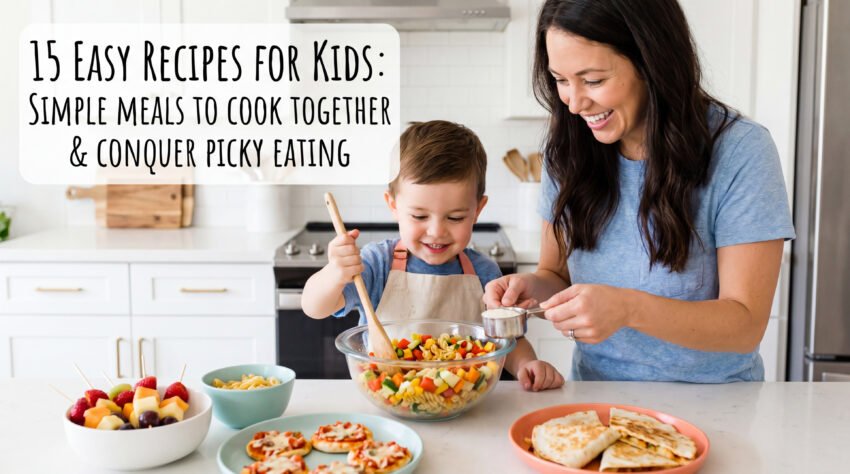
Feeding children is one of the most universal challenges of parenting. Between managing highly specific texture aversions, navigating busy schedules, and attempting to provide balanced nutrition, mealtime often devolves into a source of daily stress. The solution to conquering picky eating and saving time is not found in complex culinary techniques or hiding vegetables in elaborate purees. The solution lies in simplifying the menu and inviting your children into the kitchen to participate in the process.
When children are involved in preparing their own food, they are statistically much more likely to consume it. The barrier to entry for cooking with kids is often the assumption that it requires excessive time and creates an unmanageable mess. This comprehensive guide dismantles that assumption. By focusing on streamlined, accessible recipes utilizing staple pantry ingredients, parents can transform cooking from a tedious chore into an engaging, educational activity.
The following fifteen easy recipes are categorized by meal type and designed with simplified instructions, allowing children to actively participate in the preparation process while safely learning fundamental kitchen skills.
The Educational and Developmental Benefits of Cooking
Inviting a child into the kitchen provides benefits that extend far beyond simply producing a meal. Cooking is a highly functional educational environment that naturally develops multiple cognitive and physical skills.
Developing Fine Motor Skills
Cooking requires precise physical manipulation. Tasks such as stirring heavy batters, kneading dough, tearing lettuce, and using a dull butter knife to slice soft fruits develop the small muscles in the hands and wrists. This fine motor development is the exact same physical foundation required for handwriting, using scissors, and independently buttoning clothing.
Encouraging Food Exploration
Picky eating is often rooted in a fear of the unknown or a lack of control. When a child participates in washing, mixing, and assembling a meal, the food is demystified. The pressure to eat is removed during the preparation phase, allowing them to engage with the food through touch and smell. This low-pressure exposure dramatically increases their willingness to taste the final product.
Teaching Fundamental Math and Science
A recipe is essentially a basic chemistry experiment. Measuring flour introduces fractions and volume. Setting an oven timer teaches time management and number recognition. Observing how heat transforms a liquid egg into a solid introduces basic principles of thermodynamics and chemical reactions. Cooking grounds abstract academic concepts in tangible, real-world applications.
Breakfast Recipes: Under 10-Minute Morning Meals
Mornings are notoriously rushed. These breakfast recipes prioritize speed and sustained energy, providing nutritious options that can be assembled in under ten minutes.
1. Three-Ingredient Banana Oat Pancakes
This recipe completely eliminates the need for refined flour and sugar, relying on the natural sweetness and binding properties of ripe bananas.
Ingredients
-
1 large, overripe banana
-
2 large eggs
-
1/2 cup rolled oats
-
A pinch of cinnamon (optional)
Kid-Friendly Instructions
-
Peel the banana and place it in a medium mixing bowl.
-
Use a sturdy potato masher or a fork to completely smash the banana until no large lumps remain.
-
Crack the eggs into the bowl and whisk the mixture together.
-
Stir in the rolled oats and cinnamon.
-
An adult pours the batter onto a hot, greased skillet, cooking for two minutes per side.
Allergy and Swap Notes
-
Dairy-Free: This recipe is naturally dairy-free. Use coconut oil or a plant-based butter to grease the skillet.
-
Egg-Free: Swap the two eggs for one-quarter cup of milk (dairy or plant-based) and one tablespoon of chia seeds mixed with three tablespoons of water.
2. Customizable Yogurt Parfait Cups
Parfaits are visually appealing and offer high levels of protein. They require zero cooking, making them perfect for independent assembly by young children.
Ingredients
-
1 cup plain or vanilla Greek yogurt
-
1/2 cup granola
-
1/2 cup mixed fresh berries (strawberries, blueberries, raspberries)
-
1 tablespoon honey or maple syrup
Kid-Friendly Instructions
-
Place three clear plastic or glass cups on the counter.
-
Use a large spoon to scoop a bottom layer of Greek yogurt into each cup.
-
Add a layer of mixed berries directly on top of the yogurt.
-
Sprinkle a layer of granola over the berries.
-
Repeat the layers until the cup is full, finishing with a drizzle of honey.
Allergy and Swap Notes
-
Dairy-Free: Substitute standard Greek yogurt with a thick coconut or almond milk yogurt.
-
Gluten-Free: Ensure the granola is certified gluten-free, as standard oats often suffer from cross-contamination.
3. Egg in a Hole (Toad in the Hole)
This classic breakfast merges toast and eggs into a single, interactive dish that encourages children to use spatial reasoning to cut out the bread.
Ingredients
-
1 slice of whole-wheat bread
-
1 large egg
-
1 tablespoon butter
-
Salt and pepper to taste
Kid-Friendly Instructions
-
Place the slice of bread flat on a cutting board.
-
Use a small biscuit cutter or the rim of a small juice glass to press down and cut a circle out of the exact center of the bread.
-
An adult melts the butter in a skillet over medium heat and places the bread (and the cut-out circle) into the pan.
-
Carefully crack the egg directly into the empty hole in the center of the bread.
-
Cook until the egg white is set, then carefully flip to cook the other side.
Allergy and Swap Notes
-
Gluten-Free: Substitute the whole-wheat bread with a sturdy gluten-free bread option.
4. Overnight Chia Seed Pudding
This recipe teaches the concept of delayed gratification and preparation, as the meal must be assembled the night before.
Ingredients
-
3 tablespoons chia seeds
-
3/4 cup milk of choice
-
1 tablespoon maple syrup
-
1/2 teaspoon vanilla extract
Kid-Friendly Instructions
-
Place a small mason jar or airtight container on the counter.
-
Measure and pour the chia seeds, milk, maple syrup, and vanilla extract into the jar.
-
Use a spoon to stir the mixture vigorously for exactly one minute to prevent clumping.
-
Tightly seal the lid and place the jar in the refrigerator overnight.
-
In the morning, open the jar and top with fresh fruit before eating.
Allergy and Swap Notes
-
Dairy-Free: Use almond milk, oat milk, or cashew milk to create a completely vegan breakfast option.
Lunchbox-Friendly Cold Meals
School lunches require foods that can withstand several hours in a lunchbox without spoiling or losing their texture. These cold meals are robust, flavorful, and easy for children to assemble themselves.
5. Turkey and Cheese Pinwheels
Sandwiches can become monotonous. Pinwheels offer the same nutritional profile as a sandwich but present the food in a much more engaging, bite-sized format.
Ingredients
-
1 large flour tortilla
-
2 tablespoons cream cheese, softened
-
4 slices deli turkey
-
2 slices cheddar cheese
-
1 small handful of spinach leaves
Kid-Friendly Instructions
-
Lay the tortilla completely flat on a clean cutting board.
-
Use a butter knife to spread a thin, even layer of cream cheese over the entire surface of the tortilla.
-
Place the turkey slices and cheddar cheese slices flat on top of the cream cheese.
-
Scatter the spinach leaves evenly over the meat and cheese.
-
Starting at one edge, roll the tortilla tightly into a log.
-
An adult uses a sharp knife to slice the log into one-inch thick circular pinwheels.
Allergy and Swap Notes
-
Gluten-Free: Use a large, pliable gluten-free wrap or a large romaine lettuce leaf.
-
Vegetarian: Swap the deli turkey for a layer of hummus and thinly sliced cucumbers.
6. DIY Lunchable Bento Boxes
Store-bought pre-packaged lunches are highly processed and expensive. Creating a DIY version at home gives the child control over their meal components while providing superior nutrition.
Ingredients
-
Whole grain crackers
-
Block cheese, cut into cubes or small squares
-
Deli meat, rolled into small tubes
-
Cherry tomatoes or baby carrots
-
Grapes or apple slices
Kid-Friendly Instructions
-
Open a divided bento box container.
-
Count out ten crackers and place them in the largest compartment.
-
Place the cheese cubes and rolled deli meat into a secondary compartment.
-
Wash the cherry tomatoes and grapes in the sink, dry them with a paper towel, and place them in the remaining compartments.
Allergy and Swap Notes
-
Dairy-Free: Substitute the cheese blocks with dairy-free cheese alternatives or a small container of guacamole for dipping.
7. Cold Pasta Salad with Hidden Veggies
Pasta salad is an excellent vehicle for introducing vegetables to picky eaters, as the familiar texture of the pasta provides a comforting base.
Ingredients
-
2 cups cooked, cooled rotini or bow-tie pasta
-
1/2 cup cherry tomatoes, halved
-
1/2 cup black olives, sliced
-
1/2 cup mozzarella pearls
-
3 tablespoons Italian salad dressing
Kid-Friendly Instructions
-
Pour the cooled pasta into a large mixing bowl.
-
Add the halved tomatoes, sliced olives, and mozzarella pearls to the bowl.
-
Carefully measure and pour the Italian dressing over the ingredients.
-
Use a large wooden spoon to gently toss the salad until all the pasta is coated in the dressing.
-
Transfer the salad to an airtight container and chill in the refrigerator.
Allergy and Swap Notes
-
Gluten-Free: Utilize a high-quality chickpea or brown rice pasta to maintain the structural integrity of the salad when cold.
8. Apple Sandwiches with SunButter
This recipe replaces bread with fruit, offering a crisp, refreshing, and highly nutritious alternative for a midday meal.
Ingredients
-
1 large, crisp apple (Honeycrisp or Granny Smith)
-
3 tablespoons sunflower seed butter (SunButter)
-
1 tablespoon raisins or dried cranberries
-
1 teaspoon chocolate chips
Kid-Friendly Instructions
-
An adult must core the apple and slice it horizontally into thick, round disks.
-
Take two apple disks and lay them flat.
-
Use a butter knife to spread sunflower seed butter onto one side of each apple disk.
-
Sprinkle the raisins and chocolate chips onto the butter layer of one disk.
-
Place the second disk on top, butter side down, to complete the sandwich.
Allergy and Swap Notes
-
Nut-Free: This recipe intentionally uses sunflower seed butter to comply with strict nut-free school policies.
One-Pan Dinners for Busy Evenings
Evening routines are often chaotic. These dinner recipes minimize the number of dishes required and allow the oven or stovetop to do the heavy lifting while parents manage other household tasks.
9. Sheet Pan Chicken Fajitas
Sheet pan meals are the ultimate low-effort dinner. By roasting all ingredients on a single pan, flavors meld perfectly while cleanup is restricted to one dish.
Ingredients
-
1 pound chicken breast, sliced into thin strips
-
2 bell peppers (any color), sliced
-
1 white onion, sliced
-
2 tablespoons olive oil
-
1 packet mild fajita seasoning
-
Flour or corn tortillas
Kid-Friendly Instructions
-
Line a large baking sheet with parchment paper or aluminum foil.
-
Place the raw chicken strips, bell peppers, and onions onto the pan.
-
Drizzle the olive oil evenly over the meat and vegetables.
-
Sprinkle the entire packet of fajita seasoning over the pan.
-
Use clean hands (or tongs) to toss all ingredients together until everything is coated in the oil and spices.
-
An adult places the pan in a 400-degree Fahrenheit oven for twenty minutes.
Allergy and Swap Notes
-
Vegetarian: Substitute the chicken breast with thick slices of portobello mushrooms and black beans.
10. One-Pot Macaroni and Cheese
Unlike boxed macaroni and cheese that offers zero nutritional value, this one-pot method uses real cheese and milk, maintaining the convenience without sacrificing quality.
Ingredients
-
2 cups elbow macaroni
-
2 cups water
-
1 cup whole milk
-
1 1/2 cups shredded sharp cheddar cheese
-
Salt to taste
Kid-Friendly Instructions
-
Measure the dry macaroni and pour it into a large pot.
-
Carefully pour the water and milk into the pot with the pasta.
-
An adult places the pot on the stove and brings it to a simmer, cooking for ten minutes until the liquid is mostly absorbed.
-
Remove the pot from the heat.
-
Add the shredded cheddar cheese into the pot and stir continuously until the cheese is completely melted and the sauce is smooth.
Allergy and Swap Notes
-
Gluten-Free: Use a sturdy gluten-free elbow pasta, but be prepared to adjust the liquid ratio slightly depending on the brand.
11. Mini English Muffin Pizzas
Creating individual pizzas gives children total control over their dinner, eliminating arguments over toppings while providing a fast, satisfying meal.
Ingredients
-
2 English muffins, split in half
-
1/2 cup pizza sauce
-
1 cup shredded mozzarella cheese
-
Toppings: pepperoni, diced bell peppers, olives
Kid-Friendly Instructions
-
Place the four English muffin halves facing up on a baking sheet.
-
Use a spoon to scoop a dollop of pizza sauce onto each muffin and spread it around evenly.
-
Sprinkle a generous layer of mozzarella cheese over the sauce.
-
Decorate each pizza with your chosen toppings.
-
An adult bakes the pizzas in a 375-degree Fahrenheit oven for ten minutes, until the cheese is bubbly and golden.
Allergy and Swap Notes
-
Dairy-Free: Use a plant-based mozzarella shred. Ensure the brand specifically states it is designed to melt.
12. Baked Chicken Meatballs
Baking meatballs rather than frying them on the stovetop removes the danger of hot, splattering oil, making it a much safer recipe to execute with children.
Ingredients
-
1 pound ground chicken
-
1/2 cup breadcrumbs
-
1/4 cup grated Parmesan cheese
-
1 large egg
-
1 teaspoon garlic powder
-
1/2 teaspoon salt
Kid-Friendly Instructions
-
Place all ingredients (ground chicken, breadcrumbs, cheese, egg, garlic powder, and salt) into a large mixing bowl.
-
Use clean hands to squish and mix the ingredients together until they are fully combined.
-
Pinch off small amounts of the mixture and roll them between your palms to create golf-ball-sized meatballs.
-
Place the meatballs evenly spaced on a greased baking sheet.
-
An adult bakes them in a 400-degree Fahrenheit oven for twenty minutes.
Allergy and Swap Notes
-
Gluten-Free: Substitute standard breadcrumbs with pulverized gluten-free crackers or almond flour.
No-Bake Snacks and Treats
Snacks are a critical component of a child’s diet, bridging the gap between meals. These no-bake options are safe for children to make entirely on their own, requiring zero heat.
13. Peanut Butter Energy Bites
These bites act as a highly nutritious, protein-dense alternative to processed granola bars. They keep well in the refrigerator for up to a week.
Ingredients
-
1 cup rolled oats
-
1/2 cup creamy peanut butter
-
1/3 cup honey
-
1/4 cup mini chocolate chips
-
1 tablespoon chia seeds (optional)
Kid-Friendly Instructions
-
Pour the oats, peanut butter, honey, chocolate chips, and chia seeds into a medium bowl.
-
Use a sturdy wooden spoon to stir everything together. The mixture will be very thick and sticky.
-
Place the bowl in the refrigerator for thirty minutes to chill.
-
Once chilled, scoop out small amounts and roll them into balls using your hands.
-
Store the energy bites in an airtight container in the fridge.
Allergy and Swap Notes
-
Nut-Free: Substitute the peanut butter with an equal amount of sunflower seed butter or soy butter.
14. Frozen Banana Pops
This recipe transforms standard fruit into a refreshing, dessert-like treat. It is an excellent activity for hot summer afternoons.
Ingredients
-
2 large bananas
-
1/2 cup yogurt (any flavor)
-
Toppings: sprinkles, crushed graham crackers, or mini chocolate chips
-
4 wooden popsicle sticks
Kid-Friendly Instructions
-
Peel the bananas and have an adult cut them in half horizontally.
-
Carefully push a wooden popsicle stick into the flat, cut end of each banana half.
-
Hold the stick and roll the banana in the yogurt until it is completely coated.
-
Roll the yogurt-covered banana in your chosen toppings.
-
Place the bananas on a plate lined with wax paper and freeze for at least two hours before eating.
Allergy and Swap Notes
-
Dairy-Free: Use a dairy-free coconut yogurt to coat the bananas.
15. Homemade Trail Mix
Pre-packaged trail mixes often contain excessive amounts of sodium and refined sugar. A homemade version allows for precise control over the ingredients and ratios.
Ingredients
-
1 cup whole grain cereal (like Cheerios or Chex)
-
1/2 cup pretzel twists
-
1/4 cup raisins
-
1/4 cup dried banana chips
-
2 tablespoons chocolate candies (like M&Ms)
Kid-Friendly Instructions
-
Place a large, empty container on the counter.
-
Measure each ingredient (cereal, pretzels, raisins, banana chips, and candies) and pour them into the container.
-
Secure the lid tightly onto the container.
-
Shake the container vigorously to mix all the ingredients together.
-
Portion the mix into small ziplock bags for easy grab-and-go snacking.
Allergy and Swap Notes
-
Gluten-Free: Ensure the cereal and pretzels used are specifically certified gluten-free.
Kitchen Safety Rules for Kids
Before implementing any of the recipes listed above, establishing strict safety protocols is mandatory. The kitchen contains multiple hazards, but proper preparation creates a safe environment for learning.
Supervision is Mandatory
Regardless of a child’s age or perceived maturity, an adult must remain in the kitchen at all times during food preparation. Even no-bake recipes present choking hazards or the risk of cross-contamination. An adult must handle all raw meat, operate the stove and oven, and manage all sharp, high-quality chef knives.
Safe Tool Selection
Provide children with appropriate tools that allow them to succeed without risking injury. Nylon cutting knives cut through soft fruits and vegetables effectively but will not slice human skin. Provide wide-based, heavy mixing bowls that will not easily tip over when a child is stirring enthusiastically. Use step stools with non-slip grips to ensure the child can reach the counter safely without losing their balance.
Hygiene and Cleanliness
Cooking provides an opportunity to teach essential hygiene practices. Enforce mandatory handwashing with soap and warm water for at least twenty seconds before touching any food. Teach children that if they touch their face, hair, or the floor during cooking, they must immediately re-wash their hands. Wipe down all surfaces with an antibacterial cleaner both before and immediately after cooking.
Frequently Asked Questions (FAQs)
What age should a child start helping in the kitchen?
Children can begin helping in the kitchen as young as two years old. At this age, tasks should be limited to washing robust fruits like apples, tearing lettuce, or dumping pre-measured dry ingredients into a bowl. As their fine motor skills develop, usually around age four or five, they can progress to stirring batters, spreading butter, and cutting soft foods with a nylon safety knife.
How do I get my picky eater to try the food we cook?
Do not force them to eat it. The primary goal of cooking with a picky eater is exposure, not immediate consumption. Praise them for their help in the kitchen regardless of whether they taste the final product. Allow them to serve themselves. When the pressure is removed, children often become naturally curious and will eventually taste the food they have invested their own time in creating.
How do I prevent massive messes when cooking with toddlers?
Messes are inevitable, but they can be managed. Prep the area before bringing the child into the kitchen. Measure out the flour and liquids into small, manageable bowls beforehand to prevent spills from heavy bags or gallons. Place a large plastic mat or an old towel under the step stool to catch dropped ingredients. Most importantly, accept that a slight mess is part of the learning process and involve the child in the cleanup routine.
Are these recipes suitable for school lunches?
Yes, all the recipes listed under the “Lunchbox-Friendly Cold Meals” section are specifically designed for school lunches. They do not require reheating and are safe to consume at room temperature. Ensure you pack the meals with a frozen ice pack in an insulated lunch bag to maintain optimal freshness and food safety.
What are the best substitutions for a nut-free household or school?
If a recipe calls for peanut butter or almond butter, the safest and most texturally similar substitute is sunflower seed butter (often sold as SunButter). It provides the same binding properties and protein content without triggering nut allergies. Soy butter is another excellent alternative. Always verify that chocolate chips and granola are processed in a nut-free facility if dealing with severe allergies.
Conclusion
Transitioning meal preparation from a solitary chore into a collaborative family activity yields profound benefits for both parents and children. By utilizing these fifteen easy recipes, parents can drastically reduce the stress of feeding picky eaters while providing their children with crucial life skills. Cooking together builds confidence, reinforces fine motor and mathematical development, and ultimately fosters a healthier, more adventurous relationship with food. Equip your kitchen with safe tools, embrace the inevitable minor messes, and allow your children to take pride in the meals they create.