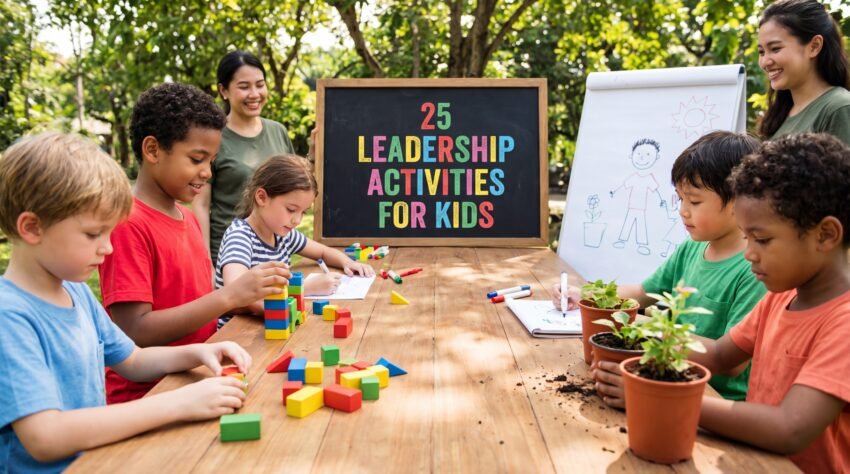
Leadership is an important life skill that children can begin developing at an early age. Many people think leadership only applies to adults in workplaces or management roles, but children also benefit from learning how to communicate, solve problems, guide others, and make responsible decisions. Leadership activities for kids help build confidence, teamwork, empathy, and independence while preparing children for future academic and social success.
The best part about teaching leadership is that it does not require formal lessons or complicated programs. Simple games, team challenges, classroom tasks, and group activities can help children develop leadership qualities naturally through hands-on experiences.
Whether you are a parent, teacher, coach, or youth group leader, these leadership activities for kids can encourage communication, cooperation, and critical thinking in a fun and engaging way.
Why Leadership Skills Are Important for Kids
Leadership skills help children become more confident and responsible in everyday situations. Kids who practice leadership often develop stronger communication skills, better emotional control, and improved problem-solving abilities.
Teaching leadership early can help children:
- Build self-confidence
- Improve teamwork and cooperation
- Learn responsibility
- Develop decision-making skills
- Strengthen communication abilities
- Practice empathy and listening
- Become more independent
- Handle challenges more effectively
Leadership activities also teach children how to respect different opinions, work with others, and stay calm under pressure.
What Makes a Good Leader for Kids?
Leadership for children is not about controlling others or always being in charge. A good young leader knows how to encourage teammates, communicate clearly, listen carefully, and help solve problems.
Important leadership qualities for kids include:
- Confidence
- Responsibility
- Patience
- Communication
- Kindness
- Problem-solving
- Teamwork
- Decision-making
- Creativity
- Accountability
Leadership activities should focus on developing these qualities in positive and age-appropriate ways.
Leadership Activities for Preschoolers
Young children learn leadership skills best through simple games and daily responsibilities.
1. Line Leader Rotation
Allow each child to take turns being the line leader during classroom or group activities. This teaches responsibility and confidence.
Skills Developed
- Confidence
- Responsibility
- Communication
2. Storytelling Circle
Ask children to sit in a circle and continue a story one sentence at a time. This activity encourages creativity and listening skills.
Skills Developed
- Creativity
- Listening
- Communication
3. Classroom Helper Jobs
Assign simple jobs like handing out papers, watering plants, or organizing toys.
Skills Developed
- Accountability
- Independence
- Teamwork
4. Simon Says
This classic game teaches children how to listen carefully and follow directions while also practicing leadership when they take turns leading.
Skills Developed
- Focus
- Listening
- Decision-making
5. Build a Tower Challenge
Children work together to build the tallest tower using blocks or cups.
Skills Developed
- Collaboration
- Problem-solving
- Teamwork
Leadership Activities for Elementary Students
Elementary-age children are ready for more structured activities that involve teamwork, planning, and communication.
6. Scavenger Hunt Team Challenge
Divide children into groups and give them clues to solve together.
Skills Developed
- Leadership
- Cooperation
- Strategic thinking
7. Group Art Project
Assign teams to create posters, murals, or crafts while selecting one student to guide the project.
Skills Developed
- Organization
- Communication
- Creativity
8. Blindfold Obstacle Course
One child is blindfolded while another guides them verbally through obstacles.
Skills Developed
- Trust
- Communication
- Patience
9. Debate Activities
Choose simple topics and let children respectfully share their opinions.
Skills Developed
- Public speaking
- Critical thinking
- Confidence
10. Team Relay Races
Relay games teach children how to motivate teammates and work toward a shared goal.
Skills Developed
- Teamwork
- Encouragement
- Cooperation
11. Classroom Decision-Making Games
Present group scenarios and allow children to discuss solutions together.
Skills Developed
- Problem-solving
- Leadership
- Collaboration
12. Marshmallow Tower Challenge
Teams use spaghetti sticks and marshmallows to build structures.
Skills Developed
- Creativity
- Team planning
- Leadership under pressure
13. Peer Mentoring
Older students help younger children complete reading or learning activities.
Skills Developed
- Responsibility
- Patience
- Empathy
14. Leadership Role Play
Create scenarios where children practice solving conflicts or leading discussions.
Skills Developed
- Decision-making
- Communication
- Emotional intelligence
15. Goal-Setting Activities
Encourage children to set goals and create action plans to achieve them.
Skills Developed
- Accountability
- Planning
- Self-motivation
Leadership Activities for Teens and Youth Groups
Older children and teens benefit from activities that require teamwork, planning, and independent thinking.
16. Community Service Projects
Organizing volunteer activities helps teens learn responsibility and empathy.
Skills Developed
- Social responsibility
- Organization
- Teamwork
17. Escape Room Challenges
Teams solve puzzles together while practicing communication and strategic thinking.
Skills Developed
- Leadership
- Critical thinking
- Cooperation
18. Event Planning Activities
Allow teens to organize small events, fundraisers, or group gatherings.
Skills Developed
- Planning
- Decision-making
- Time management
19. Survival Scenario Discussions
Present survival situations and ask groups to decide how to solve problems together.
Skills Developed
- Leadership
- Problem-solving
- Collaboration
20. Team Sports Leadership
Rotating team captains during sports activities teaches responsibility and motivation.
Skills Developed
- Confidence
- Encouragement
- Communication
21. Public Speaking Practice
Encourage teens to present short speeches or lead discussions.
Skills Developed
- Confidence
- Leadership presence
- Communication
22. Leadership Journals
Ask students to reflect on challenges, successes, and goals regularly.
Skills Developed
- Self-awareness
- Accountability
- Emotional growth
23. Group Problem-Solving Challenges
Provide a difficult task and ask teams to work together to solve it.
Skills Developed
- Strategic thinking
- Team leadership
- Collaboration
24. Student-Led Meetings
Allow students to lead discussions or classroom meetings.
Skills Developed
- Public speaking
- Organization
- Responsibility
25. Volunteer Leadership Roles
Assign leadership positions during camps, clubs, or youth events.
Skills Developed
- Initiative
- Independence
- Team management
Indoor Leadership Activities for Kids
Indoor activities are useful for classrooms, rainy days, or small group settings.
Puzzle Challenges
Teams solve large puzzles together while practicing communication and cooperation.
Paper Airplane Competition
Children design paper airplanes and explain their strategies to teammates.
Board Games
Games that involve strategy and teamwork encourage decision-making and patience.
Leadership Charades
Children act out leadership qualities while teammates guess the behavior.
Indoor Treasure Hunts
Kids work together to solve clues and complete challenges indoors.
Outdoor Leadership Activities for Kids
Outdoor games encourage teamwork, communication, and confidence in active environments.
Obstacle Courses
Children guide teammates through physical challenges while encouraging cooperation.
Tug-of-War
This classic game teaches teamwork and group motivation.
Nature Exploration Challenges
Groups work together to complete outdoor tasks or identify natural objects.
Capture the Flag
This activity develops strategy, teamwork, and leadership under pressure.
Camping Challenges
Outdoor survival games help children learn responsibility and group cooperation.
Leadership Activities Without Supplies
Some of the best leadership lessons require little or no equipment.
Follow the Leader
Children take turns leading movements or actions for the group.
Group Story Creation
Each child contributes to a collaborative story.
Human Knot Game
Teams work together to untangle themselves without letting go of hands.
Compliment Circle
Children practice positive communication and encouragement.
Would You Rather Leadership Questions
Ask children questions that require decision-making and explanation.
Classroom Leadership Activities
Teachers can encourage leadership daily through simple classroom routines.
Student Discussion Leaders
Allow students to guide classroom conversations.
Classroom Committees
Assign groups to help manage specific classroom tasks.
Reading Buddies
Older students mentor younger readers.
Conflict Resolution Practice
Teach children how to solve disagreements respectfully.
Presentation Days
Students lead short lessons or presentations on favorite topics.
How to Teach Leadership Skills to Kids
Leadership development should happen naturally through encouragement and practice.
Encourage Responsibility
Give children age-appropriate responsibilities at home or school.
Allow Decision-Making
Let children make choices and experience the results of their decisions.
Praise Effort and Teamwork
Focus on cooperation and growth rather than perfection.
Teach Active Listening
Good leaders listen carefully and respect others’ ideas.
Model Leadership Behavior
Children often learn leadership skills by watching adults demonstrate them.
Benefits of Leadership Activities for Kids
Leadership activities support both academic and emotional development.
Builds Confidence
Children become more comfortable expressing ideas and taking initiative.
Improves Communication Skills
Leadership activities encourage speaking, listening, and collaboration.
Encourages Teamwork
Children learn how to work effectively with others.
Strengthens Problem-Solving Skills
Many activities require planning and creative thinking.
Promotes Emotional Intelligence
Children develop empathy, patience, and conflict-resolution skills.
Common Mistakes When Teaching Leadership
Some adults unintentionally discourage leadership development.
Avoid:
- Controlling every activity
- Focusing only on winning
- Ignoring shy children
- Giving leadership roles to the same child repeatedly
- Criticizing mistakes too harshly
Leadership skills grow best in supportive and encouraging environments.
Tips for Choosing Leadership Activities by Age
Preschoolers
Choose short, playful activities with simple instructions.
Elementary Students
Focus on teamwork, communication, and structured challenges.
Teens
Use activities that involve responsibility, planning, and independent thinking.
Matching activities to a child’s developmental stage improves engagement and learning.
Frequently Asked Questions
What are leadership activities for kids?
Leadership activities are games, tasks, and group exercises designed to help children develop communication, teamwork, confidence, and decision-making skills.
Why are leadership skills important for children?
Leadership skills help children become more independent, responsible, and confident in social, academic, and personal situations.
How do you teach leadership to kids?
Leadership can be taught through group activities, problem-solving games, teamwork challenges, and opportunities for responsibility.
What are fun leadership games for students?
Scavenger hunts, obstacle courses, debate games, escape room challenges, and teamwork activities are popular leadership games for students.
Can shy children become leaders?
Yes. Leadership is not only about speaking loudly or taking charge. Shy children can become excellent leaders through listening, empathy, responsibility, and thoughtful communication.
What leadership activities work best in classrooms?
Student-led discussions, classroom jobs, team projects, peer mentoring, and group problem-solving activities work well in classroom settings.
Conclusion
Leadership skills help children succeed in school, friendships, teamwork, and future careers. By participating in leadership activities, kids learn how to communicate clearly, solve problems, support others, and make responsible decisions. The most effective leadership activities are fun, interactive, and age-appropriate. Whether children are leading a classroom discussion, solving team challenges, or helping others during group projects, every experience contributes to their growth and confidence.
Parents, teachers, and youth leaders can support leadership development by creating positive opportunities for children to practice teamwork, responsibility, and communication regularly. With encouragement and consistent practice, children can develop valuable leadership qualities that benefit them throughout life.