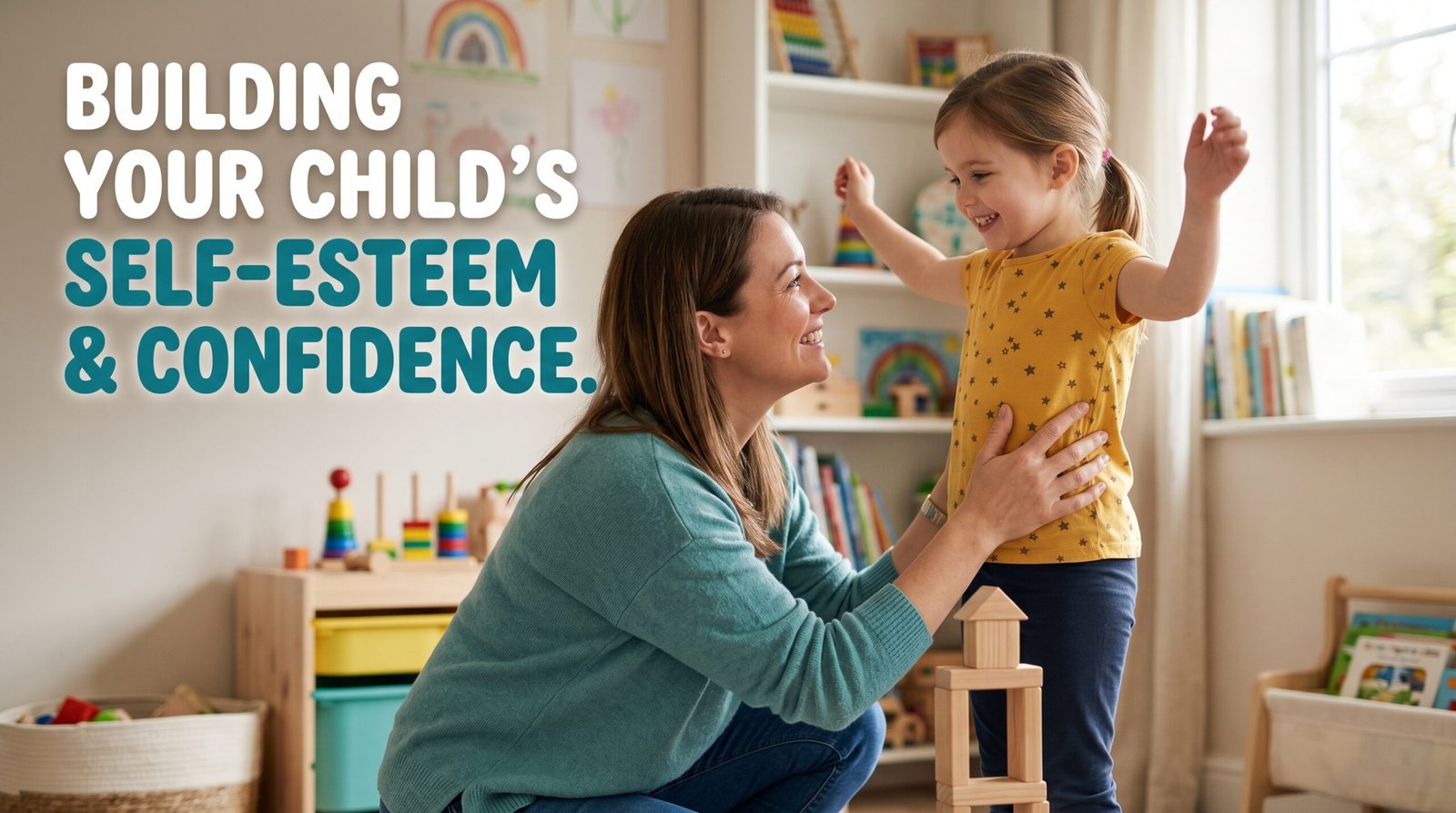

A child’s self-esteem shapes the way they think, feel, and interact with the world. Children with healthy self-esteem are more likely to try new things, recover from setbacks, build positive relationships, and handle challenges with confidence. On the other hand, children with low self-esteem may struggle with self-doubt, fear of failure, and negative self-talk.
Self-esteem does not develop overnight. It grows gradually through daily experiences, relationships, encouragement, and emotional support. Parents play one of the most important roles in helping children develop confidence and a healthy sense of self-worth.
The good news is that building self-esteem does not require perfection. Small changes in communication, parenting habits, and daily routines can make a lasting difference in how children see themselves.
This guide explains how to build your child’s self-esteem using practical, supportive, and research-backed strategies that encourage confidence, resilience, and emotional strength.
What Is Self-Esteem in Children?
Self-esteem refers to how children think and feel about themselves. It includes their sense of worth, confidence, abilities, and emotional security.
Children with healthy self-esteem generally:
- Feel capable of learning and improving
- Believe they are valued and loved
- Recover more easily from mistakes
- Feel comfortable expressing themselves
- Approach challenges with confidence
Healthy self-esteem is not about believing a child is perfect or better than others. Instead, it is about helping children feel secure, capable, and worthy even when they face difficulties or make mistakes.
Why Self-Esteem Is Important for Children
Strong self-esteem supports emotional, social, and academic development.
Children with healthy self-esteem often:
- Build stronger friendships
- Show greater independence
- Handle stress more effectively
- Develop problem-solving skills
- Participate confidently in school and activities
- Cope better with setbacks
Low self-esteem, however, can increase the risk of anxiety, perfectionism, social withdrawal, and fear of failure.
Helping children develop confidence early creates a strong emotional foundation for future growth.
Signs of Low Self-Esteem in Children
Every child has moments of self-doubt, but persistent negative thinking may indicate low self-esteem.
Common signs include:
- Frequent negative self-talk
- Fear of trying new things
- Avoiding challenges
- Extreme frustration after mistakes
- Comparing themselves constantly to others
- Difficulty accepting compliments
- Seeking constant reassurance
- Giving up easily
- Social withdrawal
Recognizing these signs early allows parents to provide support before negative patterns become deeply rooted.
1. Praise Effort Instead of Perfection
One of the most effective ways to build self-esteem is to focus on effort rather than results.
Children who are praised only for achievements may begin to fear mistakes or failure. Instead of saying:
- “You’re so smart.”
Try:
- “You worked really hard on that.”
- “I’m proud of how you kept trying.”
This type of praise teaches children that growth and improvement matter more than perfection.
Why It Works
Effort-based praise encourages:
- Resilience
- Persistence
- Confidence in learning
- Healthy risk-taking
Children learn that mistakes are part of progress rather than signs of failure.
2. Let Children Solve Problems Independently
Parents naturally want to help children avoid frustration, but solving every problem for them can unintentionally weaken confidence.
Children build self-esteem when they learn:
- “I can do hard things.”
- “I can figure this out.”
Encourage children to:
- Try tasks independently
- Make age-appropriate decisions
- Work through challenges
- Learn from mistakes
Examples
- Let toddlers attempt dressing themselves
- Allow school-age children to solve simple conflicts
- Encourage teens to manage responsibilities independently
Children gain confidence through competence and experience.
3. Avoid Harsh Criticism
Words have a lasting impact on how children view themselves.
Frequent criticism, shaming, or harsh language can damage self-esteem over time. Instead of criticizing the child personally, focus on correcting behavior calmly and respectfully.
Avoid statements like:
- “You never do anything right.”
- “Why are you so lazy?”
Instead say:
- “Let’s figure out a better way to handle this.”
- “Everyone makes mistakes.”
Why Positive Communication Matters
Children internalize repeated messages from adults. Supportive communication helps children feel emotionally safe while still learning accountability.
4. Encourage Healthy Risk-Taking
Confidence grows when children try new experiences and discover they can handle challenges.
Encourage children to:
- Join activities
- Speak up in class
- Try sports or hobbies
- Make new friends
- Participate in performances or competitions
Children do not need to succeed at everything. The goal is helping them become comfortable with effort, growth, and uncertainty.
Important Reminder
Avoid pressuring children into activities they genuinely dislike. Confidence grows best when children feel supported rather than forced.
5. Help Children Develop Real Skills
Children feel more confident when they develop meaningful abilities.
Encourage skill-building activities such as:
- Drawing
- Music
- Sports
- Cooking
- Problem-solving games
- Reading
- Gardening
- Building projects
Mastering new skills gives children a sense of accomplishment and independence.
Why Skill Development Builds Self-Esteem
Confidence becomes stronger when children can say:
- “I practiced.”
- “I improved.”
- “I learned something new.”
This creates genuine self-belief rather than temporary praise-based confidence.
6. Model Positive Self-Talk
Children often copy the way parents talk about themselves.
If children frequently hear:
- “I’m terrible at this.”
- “I look awful.”
- “I can’t do anything right.”
They may learn to criticize themselves similarly.
Instead, model healthy self-talk:
- “I made a mistake, but I can learn from it.”
- “I’ll keep practicing.”
- “Nobody is perfect.”
Why Modeling Matters
Children learn emotional habits by observing adults. Positive self-talk teaches resilience and self-acceptance.
7. Create a Safe Emotional Environment
Children develop stronger self-esteem when they feel emotionally secure.
A safe emotional environment includes:
- Listening without judgment
- Validating feelings
- Showing empathy
- Encouraging honest communication
- Offering consistent support
Children should feel comfortable sharing:
- Fears
- Mistakes
- Frustrations
- Questions
- Emotions
Emotional Safety Builds Confidence
When children feel accepted and understood, they are more likely to take healthy risks and express themselves openly.
8. Encourage Independence
Independence helps children feel capable and responsible.
Allow children to:
- Make simple decisions
- Complete chores
- Organize belongings
- Solve age-appropriate problems
- Manage small responsibilities
Examples by Age
Toddlers
- Picking clothes
- Cleaning up toys
School-Age Children
- Packing school bags
- Completing homework routines
Teens
- Managing schedules
- Preparing meals
- Budgeting small amounts of money
Responsibility teaches children they can trust themselves.
9. Avoid Comparing Children to Others
Comparisons can quickly damage self-esteem.
Statements like:
- “Why can’t you be more like your brother?”
- “Your friend gets better grades.”
may cause children to feel inadequate or ashamed.
Instead, focus on personal growth:
- “You improved a lot.”
- “I noticed how hard you worked.”
Why Comparisons Are Harmful
Every child develops at a different pace with unique strengths and challenges.
Children thrive when they feel valued for who they are rather than how they compare to others.
10. Support Your Child’s Strengths and Interests
Every child has talents, interests, and personality traits worth encouraging.
Some children shine in:
- Creativity
- Sports
- Leadership
- Kindness
- Humor
- Problem-solving
- Music
- Curiosity
Parents can support self-esteem by helping children explore what makes them feel capable and engaged.
Important Tip
Do not focus only on academic success. Confidence can grow through many different experiences and abilities.
Self-Esteem Tips by Age
Children’s emotional needs change as they grow. Self-esteem support should match developmental stages.
Building Self-Esteem in Toddlers
Toddlers develop confidence through independence and encouragement.
Helpful strategies include:
- Allowing safe exploration
- Praising effort
- Encouraging choices
- Offering comfort during frustration
- Celebrating small achievements
Building Self-Esteem in School-Age Children
School-age children become more aware of peer opinions and academic performance.
Support confidence by:
- Encouraging hobbies
- Helping with problem-solving
- Teaching resilience after setbacks
- Promoting friendships
- Avoiding excessive pressure
Building Self-Esteem in Teenagers
Teen self-esteem is often influenced by:
- Social media
- Peer relationships
- Identity development
- Academic stress
- Body image
Parents can help by:
- Listening without judgment
- Respecting growing independence
- Encouraging healthy boundaries
- Supporting emotional expression
Common Parenting Mistakes That Hurt Self-Esteem
Even well-meaning parents can unintentionally affect a child’s confidence negatively.
Common mistakes include:
- Overprotecting children
- Solving every problem for them
- Constant criticism
- Unrealistic expectations
- Comparing siblings
- Ignoring emotions
- Overpraising without sincerity
Balanced support is more effective than perfection-focused parenting.
Activities That Build Self-Esteem in Children
Confidence grows through positive experiences and opportunities to succeed.
Helpful self-esteem activities include:
- Team sports
- Art projects
- Volunteering
- Journaling
- Goal-setting activities
- Public speaking practice
- Family responsibilities
- Creative hobbies
Activities should focus on growth, participation, and enjoyment rather than constant competition.
How Schools and Teachers Influence Self-Esteem
Teachers also play an important role in a child’s confidence.
Positive school environments encourage:
- Participation
- Respect
- Inclusion
- Creativity
- Problem-solving
Parents and teachers working together can provide children with consistent emotional support and encouragement.
Frequently Asked Questions
What causes low self-esteem in children?
Low self-esteem can develop from harsh criticism, bullying, unrealistic expectations, repeated failure, social comparison, or lack of emotional support.
How can parents improve a child’s confidence?
Parents can improve confidence by encouraging effort, supporting independence, listening empathetically, and helping children develop meaningful skills.
What are signs of low self-esteem?
Common signs include negative self-talk, fear of failure, social withdrawal, perfectionism, and avoiding challenges.
Can too much praise hurt self-esteem?
Yes. Constant praise without sincerity may create pressure or dependence on approval. Balanced, effort-based praise is usually healthier.
At what age does self-esteem develop?
Self-esteem begins developing in early childhood and continues evolving throughout adolescence and adulthood.
How do I help an insecure child?
Provide emotional support, encourage independence, avoid comparisons, and focus on helping the child recognize strengths and progress.
Conclusion
Building a child’s self-esteem is not about raising perfect children or protecting them from every challenge. True confidence develops when children feel loved, capable, respected, and supported as they learn and grow.
Parents can strengthen self-esteem by encouraging effort, allowing independence, teaching resilience, and creating emotionally safe environments where mistakes are treated as opportunities for growth rather than failure. Every positive interaction matters. The way parents speak, listen, guide, and support children shapes how they eventually see themselves. By helping children develop healthy self-esteem early in life, parents give them the emotional foundation needed to handle challenges, build strong relationships, and approach the future with confidence.