This Post Contains Affiliate Links. Please Read Our Disclosure for Full Information.
Introduction
For many individuals on the autism spectrum, the world can feel overwhelming. Everyday sounds, textures, lights, and movements may be experienced more intensely, leading to discomfort, anxiety, or sensory overload. This is where sensory toys play a meaningful role. Designed to engage one or more of the senses, these tools can help regulate emotions, improve focus, and support overall development.
Parents, caregivers, and educators often search for effective ways to help children and adults with autism feel more comfortable and in control. Sensory toys are not just playthings—they are practical tools that can assist with self-regulation, learning, and daily functioning.
In this comprehensive guide, you’ll learn what sensory toys are, how they help individuals with autism, the different types available, and how to choose the right ones based on specific needs.
What Are Sensory Toys for Autism?
Sensory toys are specially designed items that stimulate one or more of the five senses: touch, sight, sound, taste, and movement. For individuals with autism, these toys are often used to help manage sensory processing differences.
Some individuals may actively seek sensory input (sensory seekers), while others may avoid it (sensory avoiders). Sensory toys help bridge this gap by providing controlled, safe, and soothing sensory experiences.
Examples include textured balls, fidget spinners, weighted blankets, chewable jewelry, and light-up objects. Each serves a unique purpose depending on the sensory needs of the user.
Benefits of Sensory Toys for Autism
Emotional Regulation
One of the most significant benefits of sensory toys is their ability to help regulate emotions. When a child feels overwhelmed, a familiar sensory object can provide comfort and stability, reducing the likelihood of meltdowns.
Improved Focus and Attention
Sensory tools like fidget toys can help individuals channel excess energy, allowing them to concentrate better on tasks such as schoolwork or conversations.
Anxiety and Stress Reduction
Repetitive motions, soft textures, or gentle pressure can have a calming effect on the nervous system, helping reduce anxiety levels.
Development of Motor Skills
Many sensory toys encourage hand-eye coordination and fine motor development. Activities like squeezing, stacking, or spinning can strengthen muscles and improve dexterity.
Support for Sensory Processing
Sensory toys provide structured input that helps the brain process sensory information more effectively, which is especially important for individuals with sensory processing challenges.
Best Sensory Toys for Autism
1. Fidget Spinner
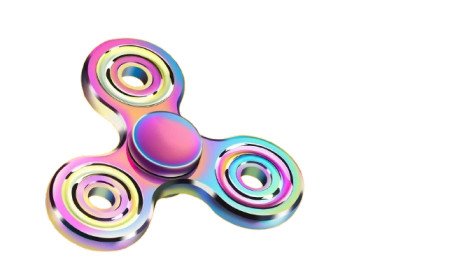
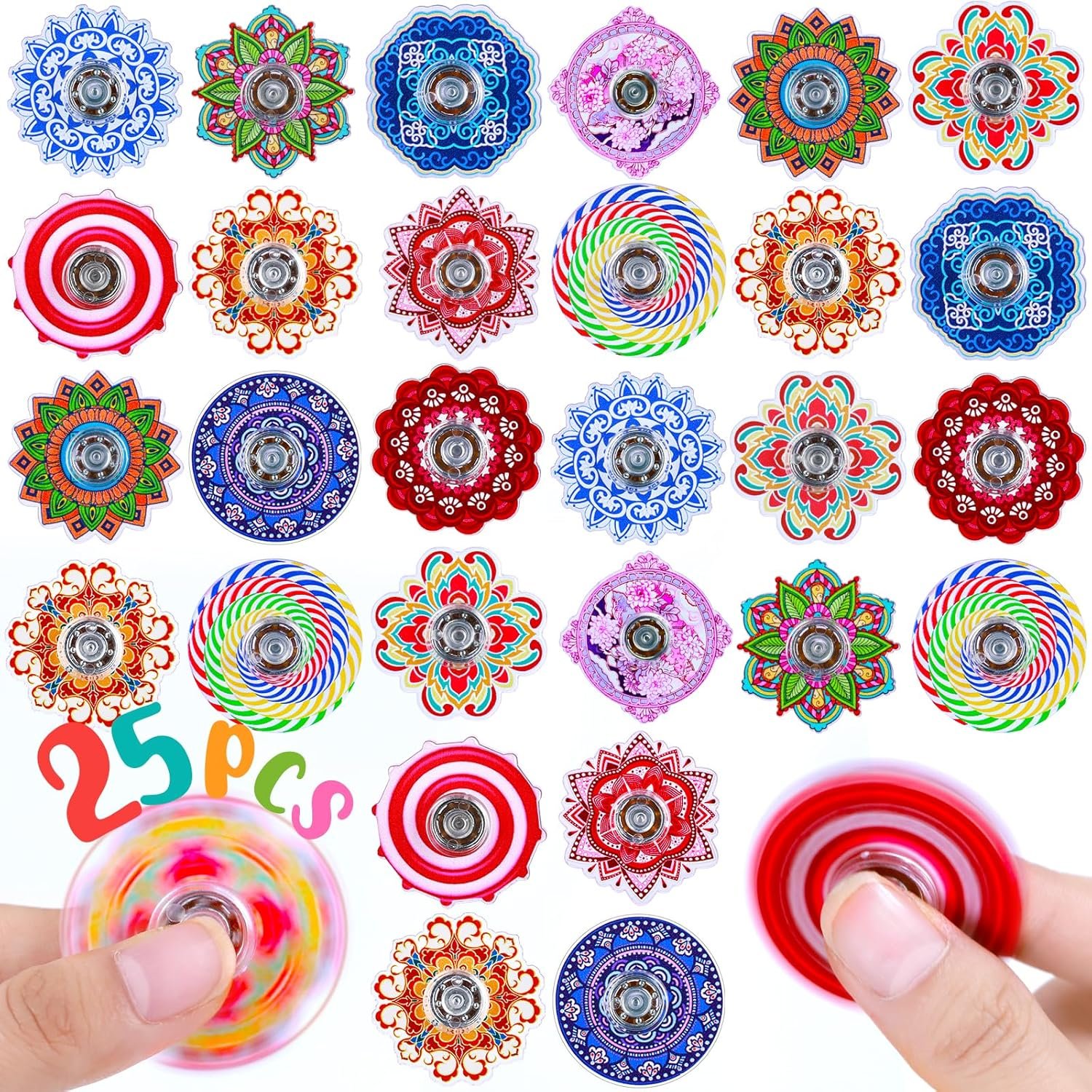
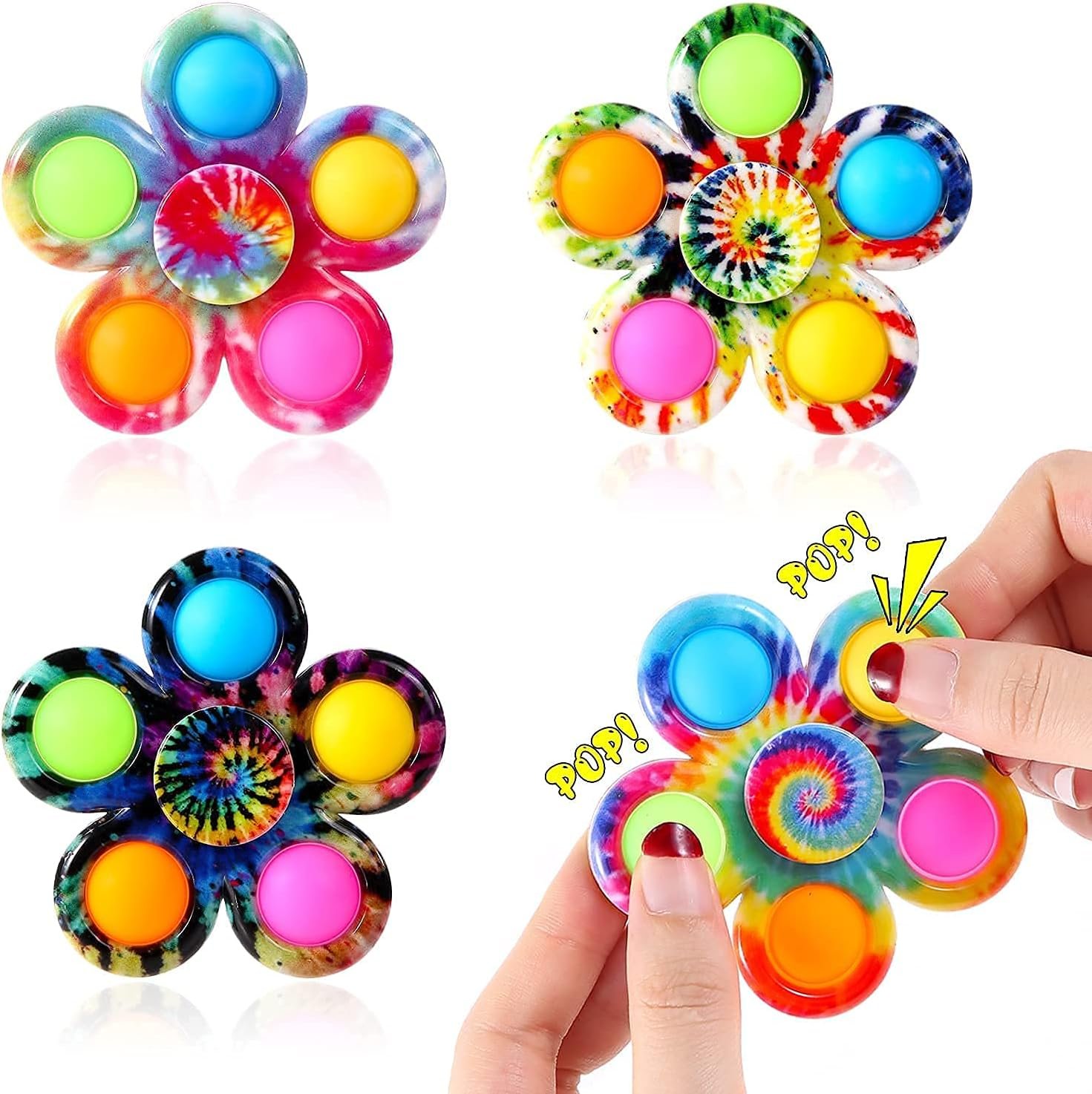
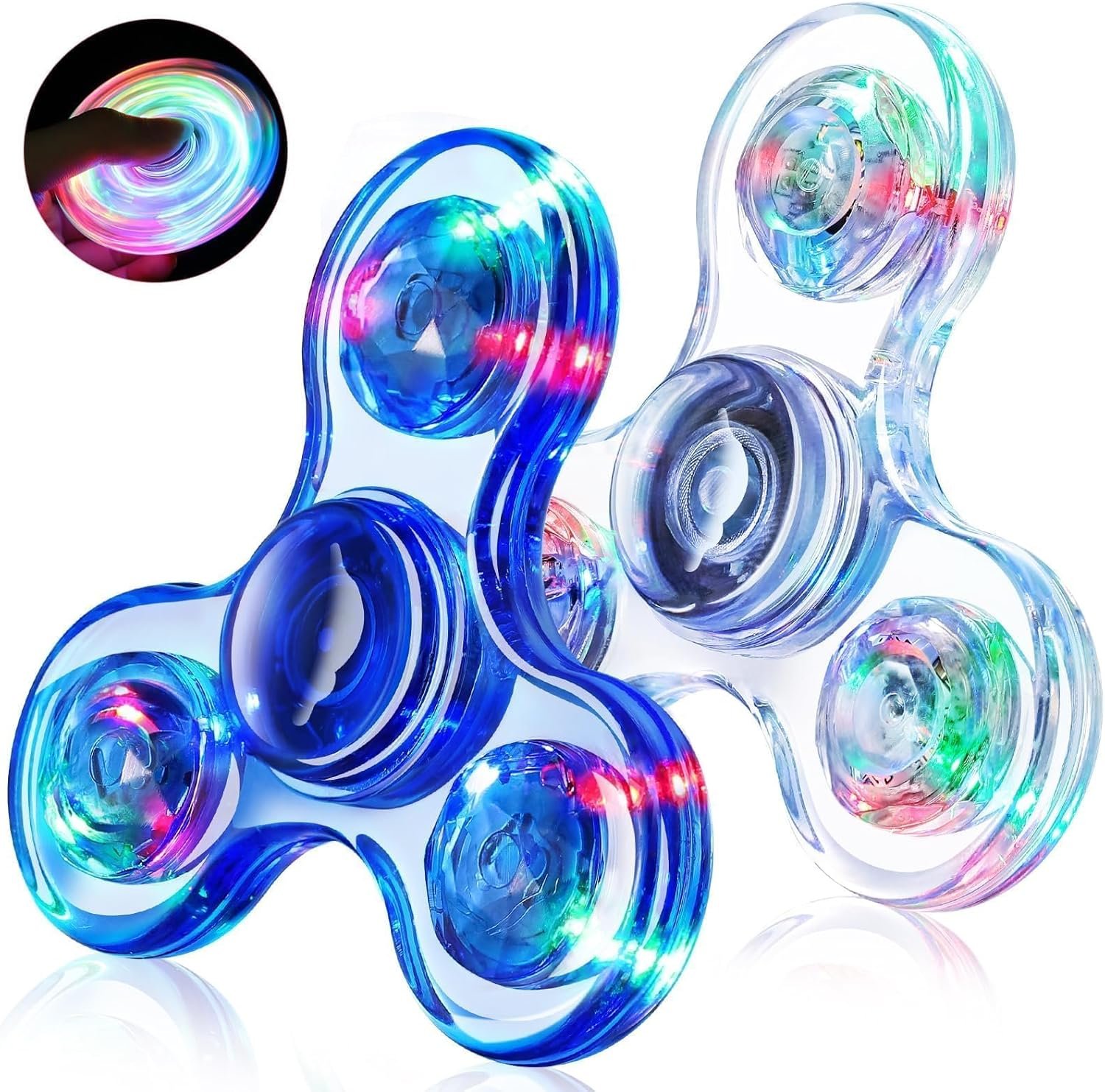
A fidget spinner is a small handheld toy that spins around a central bearing, providing smooth, repetitive motion.
|
|
|
|
Our Rating:
3.5
|
Our Rating:
3.5
|
Our Rating:
3.5
|
|
N/A
|
N/A
|
N/A
|
Why it helps:
The spinning motion creates a calming visual and tactile experience, helping individuals release excess energy and reduce restlessness.
Best for:
- Children who struggle to sit still
- Short bursts of focus during tasks
2. Fidget Cube
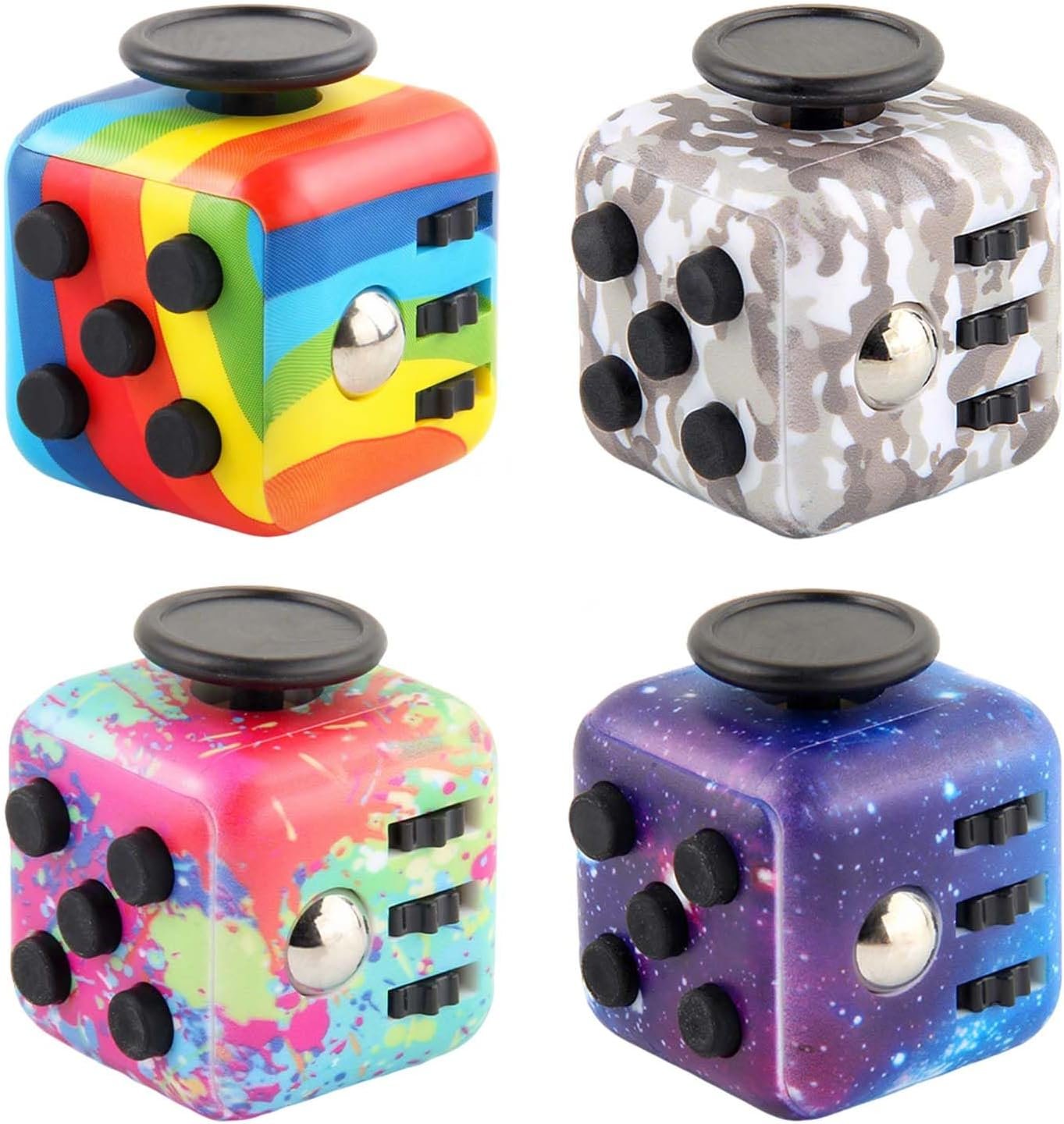
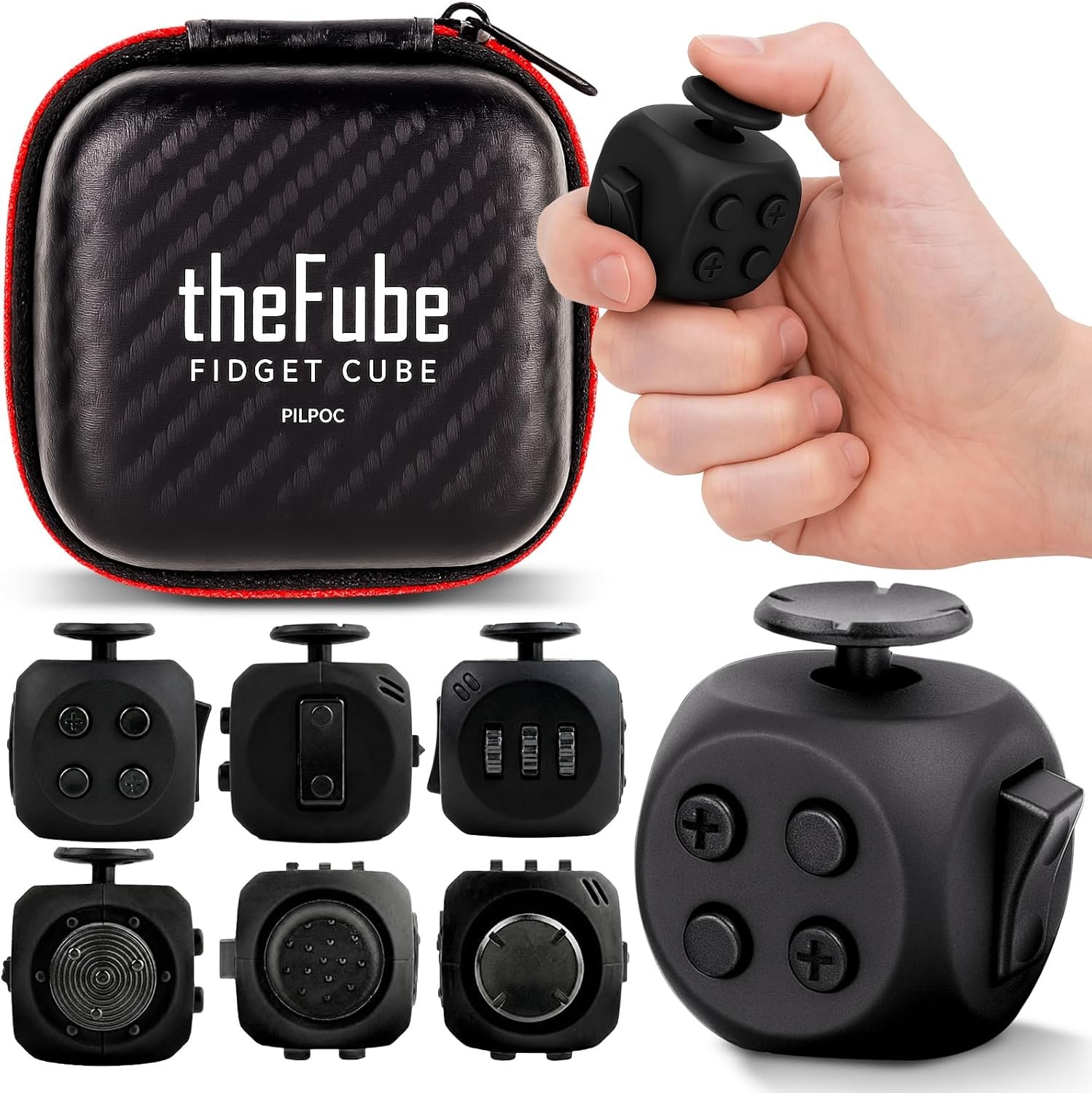
The Fidget Cube features multiple sides with buttons, switches, gears, and a joystick.
![Cube Fidget Stress Relief Toy for Adults & Kids, Smooth, Quiet Sensory Toy for Anxiety, Focus & ADHD Idea[Starry]](https://autism.fm/wp-content/uploads/2026/06/71yG8-2gG3L._AC_SL1500_.jpg)
|
|
|
|
Our Rating:
3.5
|
Our Rating:
3.5
|
Our Rating:
3.5
|
|
N/A
|
N/A
|
N/A
|
Why it helps:
It offers multiple sensory inputs in one compact tool, making it ideal for constant stimulation without distraction.
Best for:
- Classroom use
- Individuals who like variety in sensory input
3. Pop It (Bubble Fidget Toy)
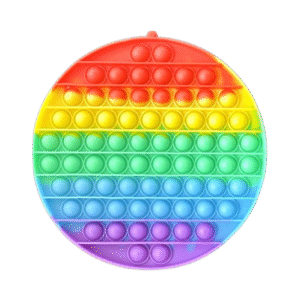
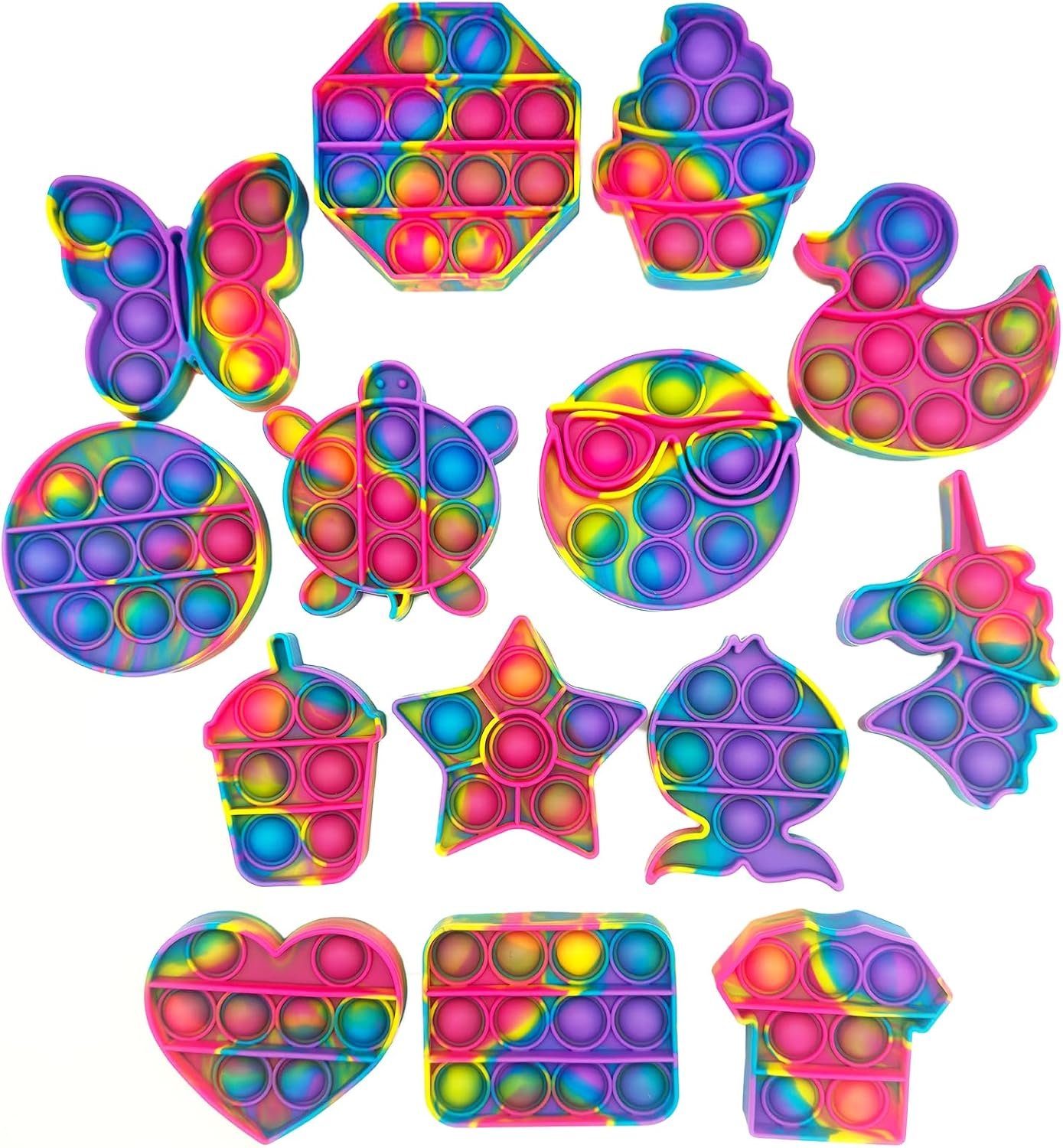
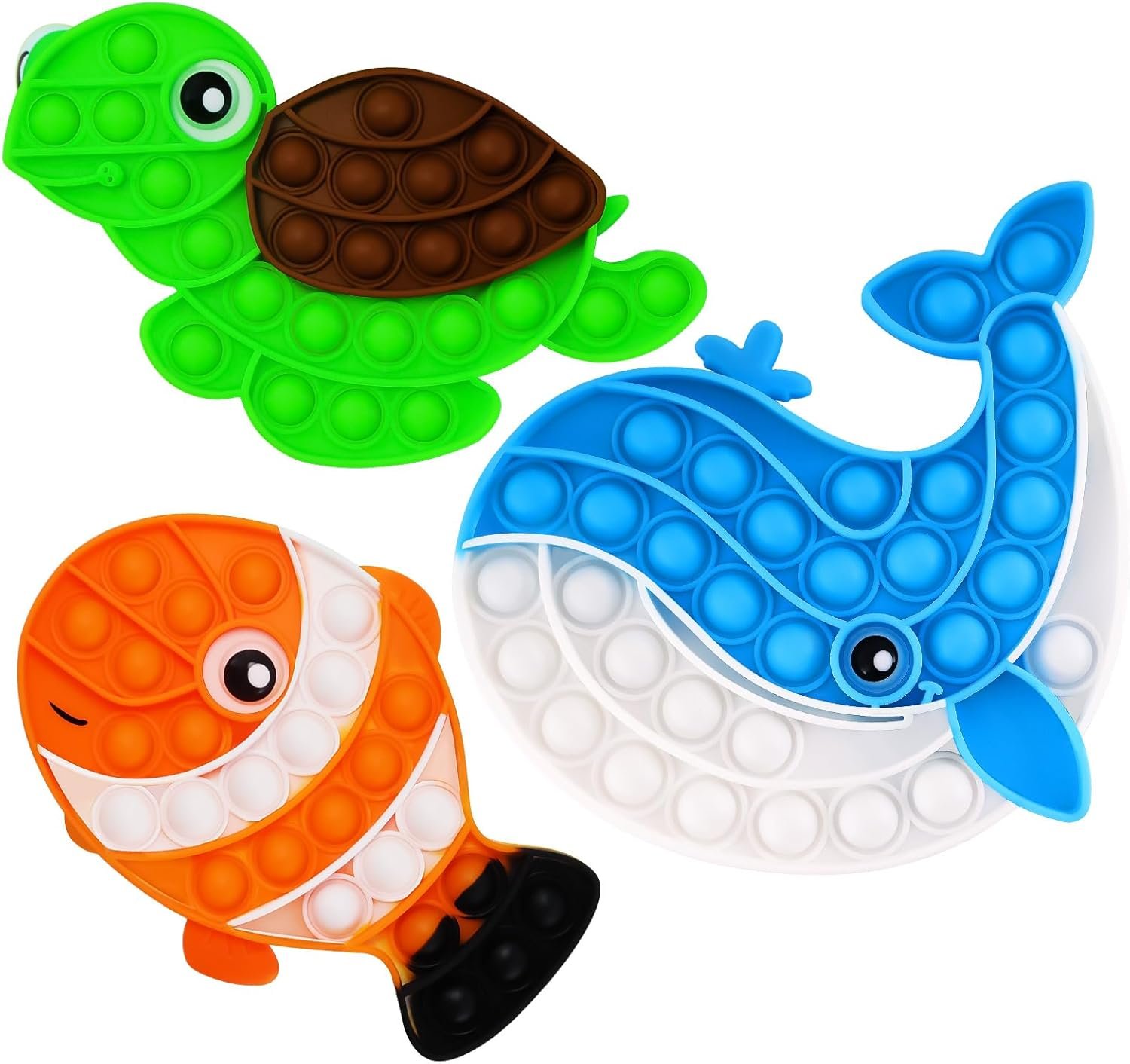
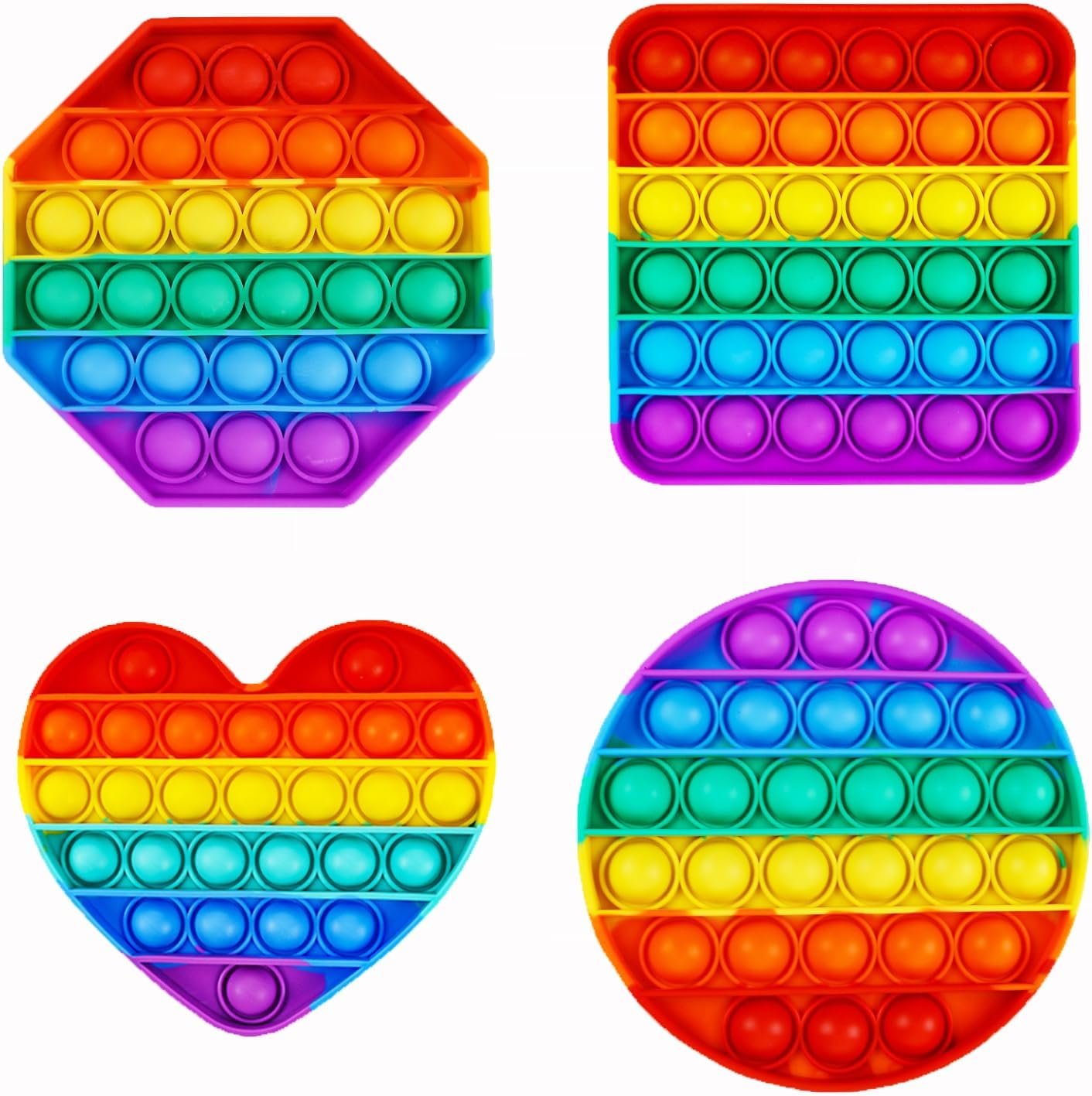
Pop It toys are silicone boards with bubbles that can be pushed in and out repeatedly.
|
|
|
|
Our Rating:
3.5
|
Our Rating:
3.5
|
Our Rating:
3.5
|
|
N/A
|
N/A
|
N/A
|
Why it helps:
The repetitive “popping” action provides satisfying tactile feedback and can improve focus and fine motor skills.
Best for:
- Anxiety relief
- Quiet environments like school
4. Stress Balls
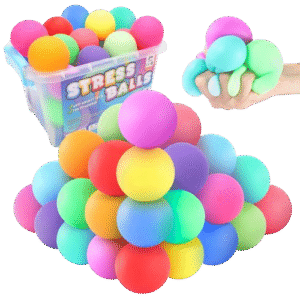
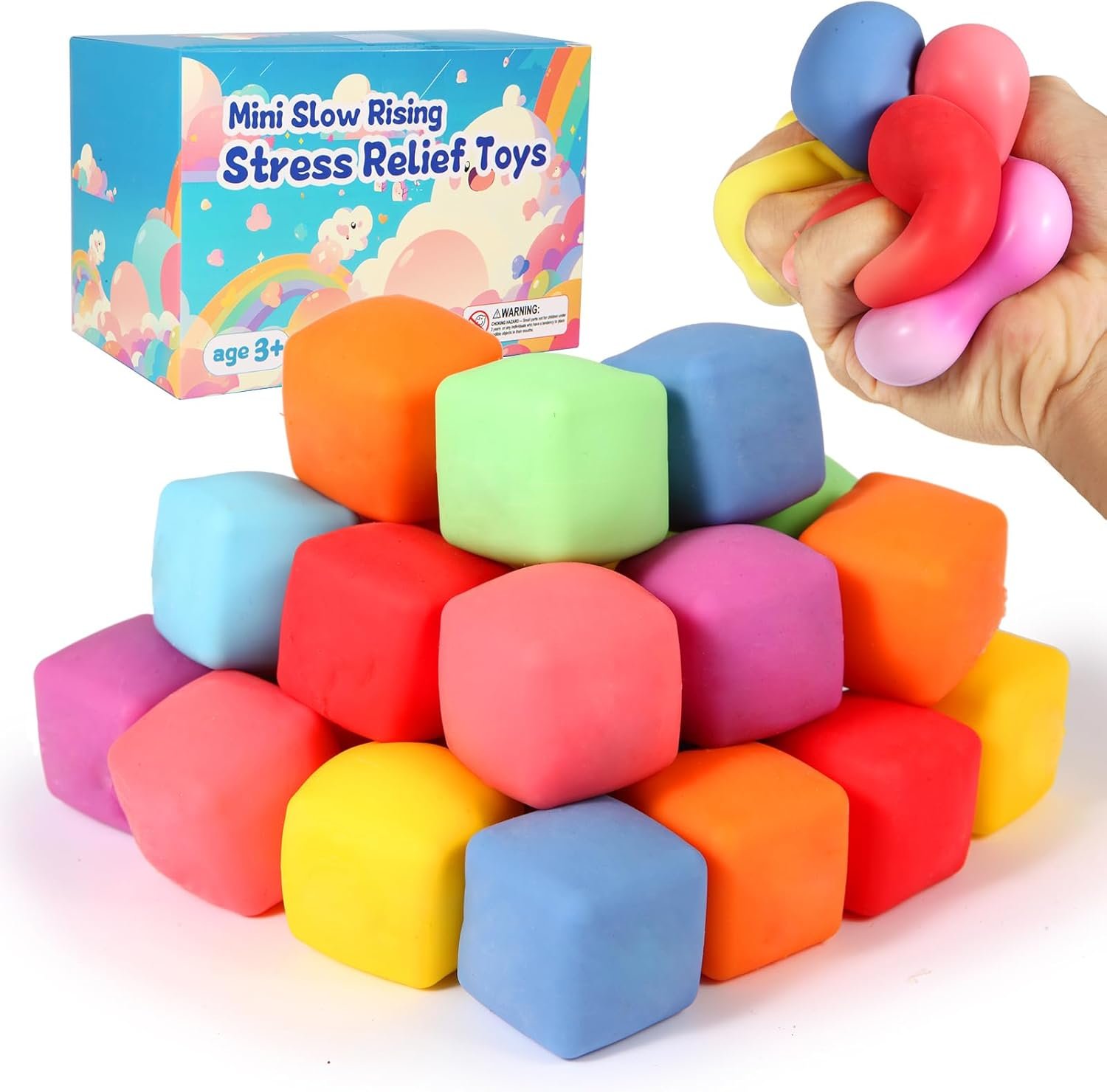
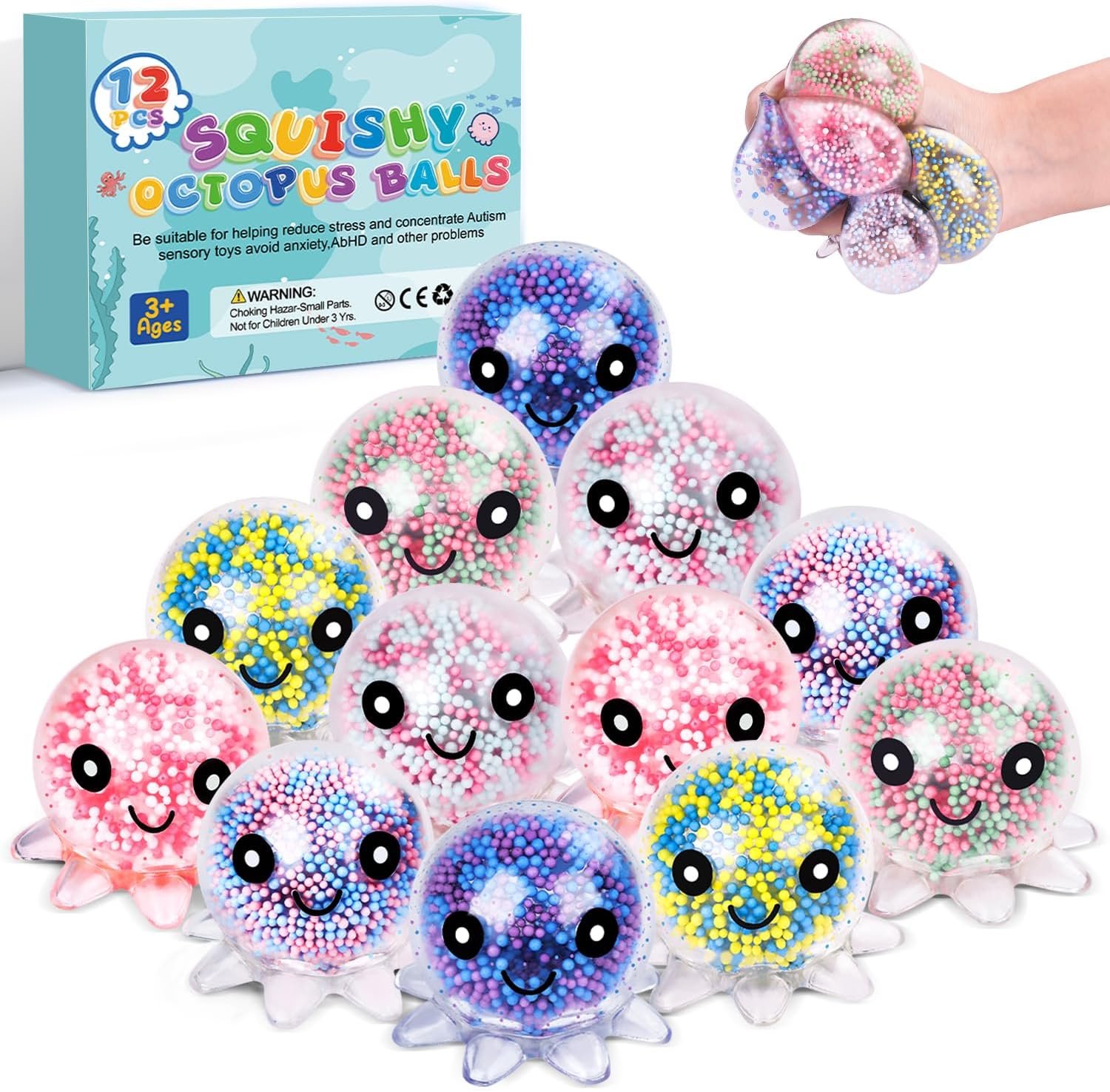
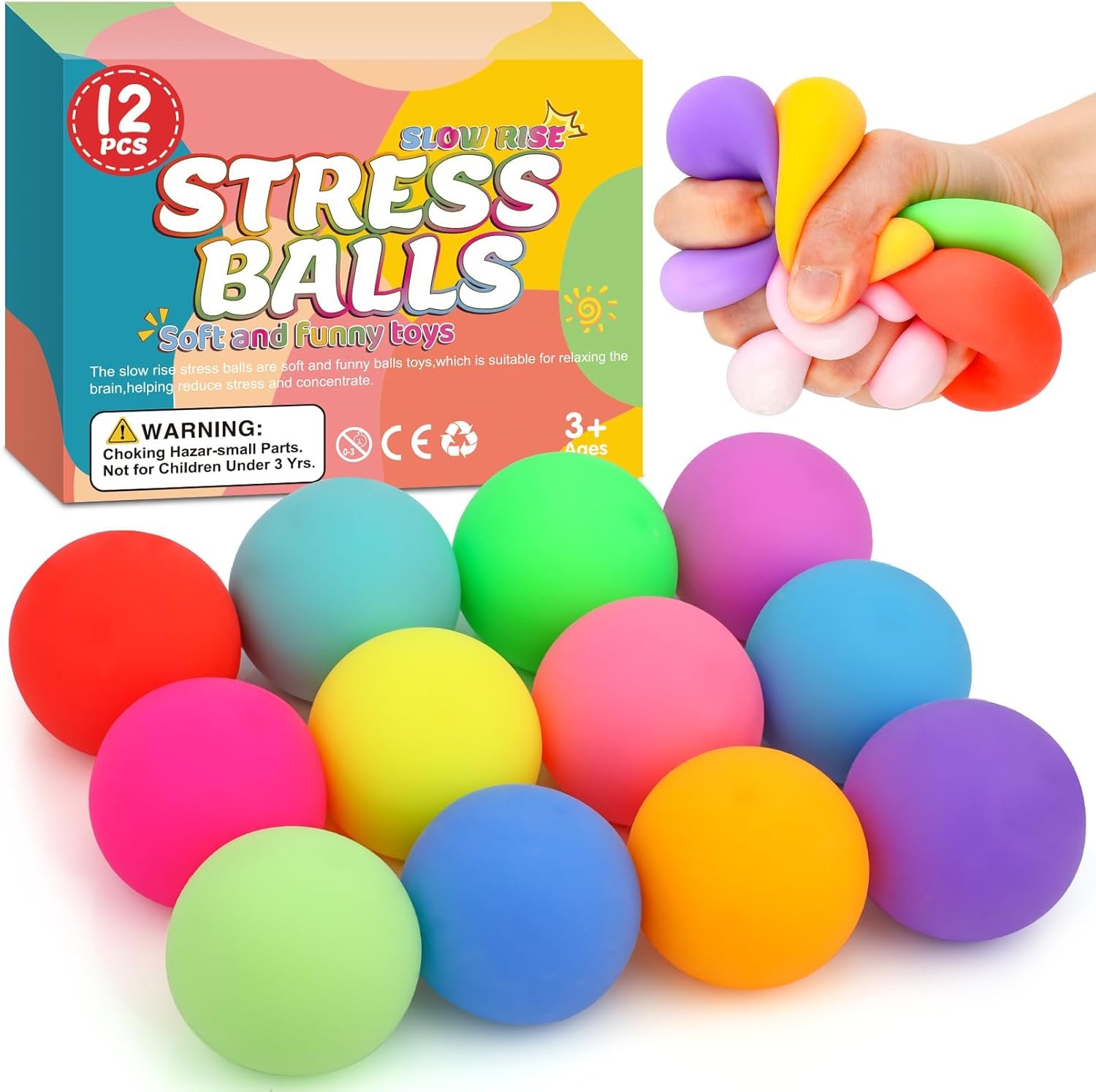
Soft, squeezable balls made from foam or gel materials.
|
|
|
|
Our Rating:
3.5
|
Our Rating:
3.5
|
Our Rating:
3.5
|
|
N/A
|
N/A
|
N/A
|
Why it helps:
Squeezing helps release tension and strengthens hand muscles, promoting relaxation and focus.
Best for:
- Managing frustration
- Hand strengthening exercises
5. Thinking Putty
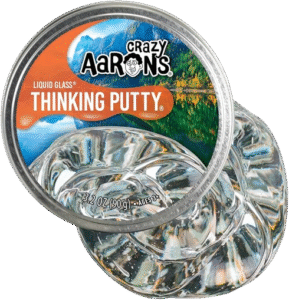
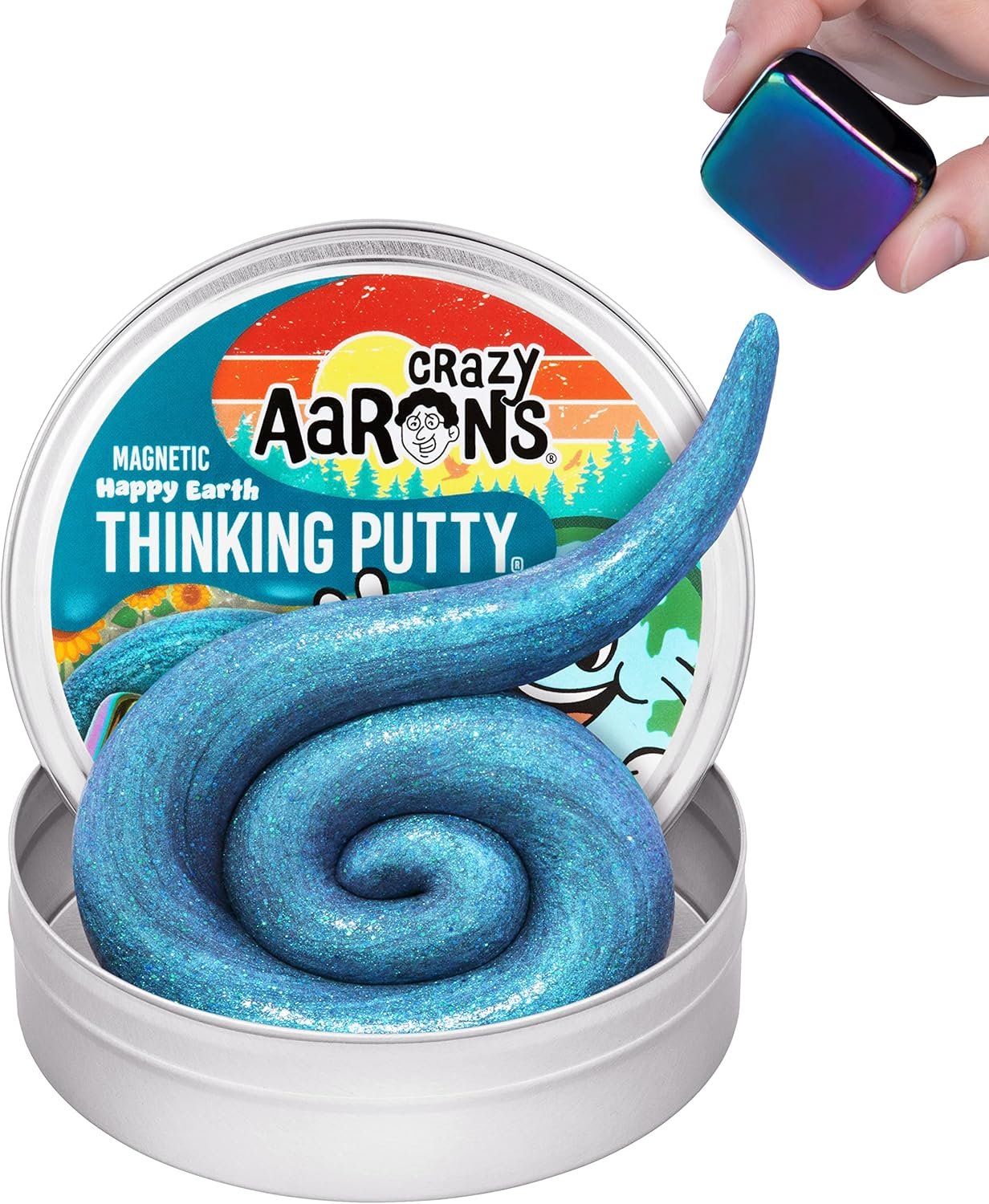
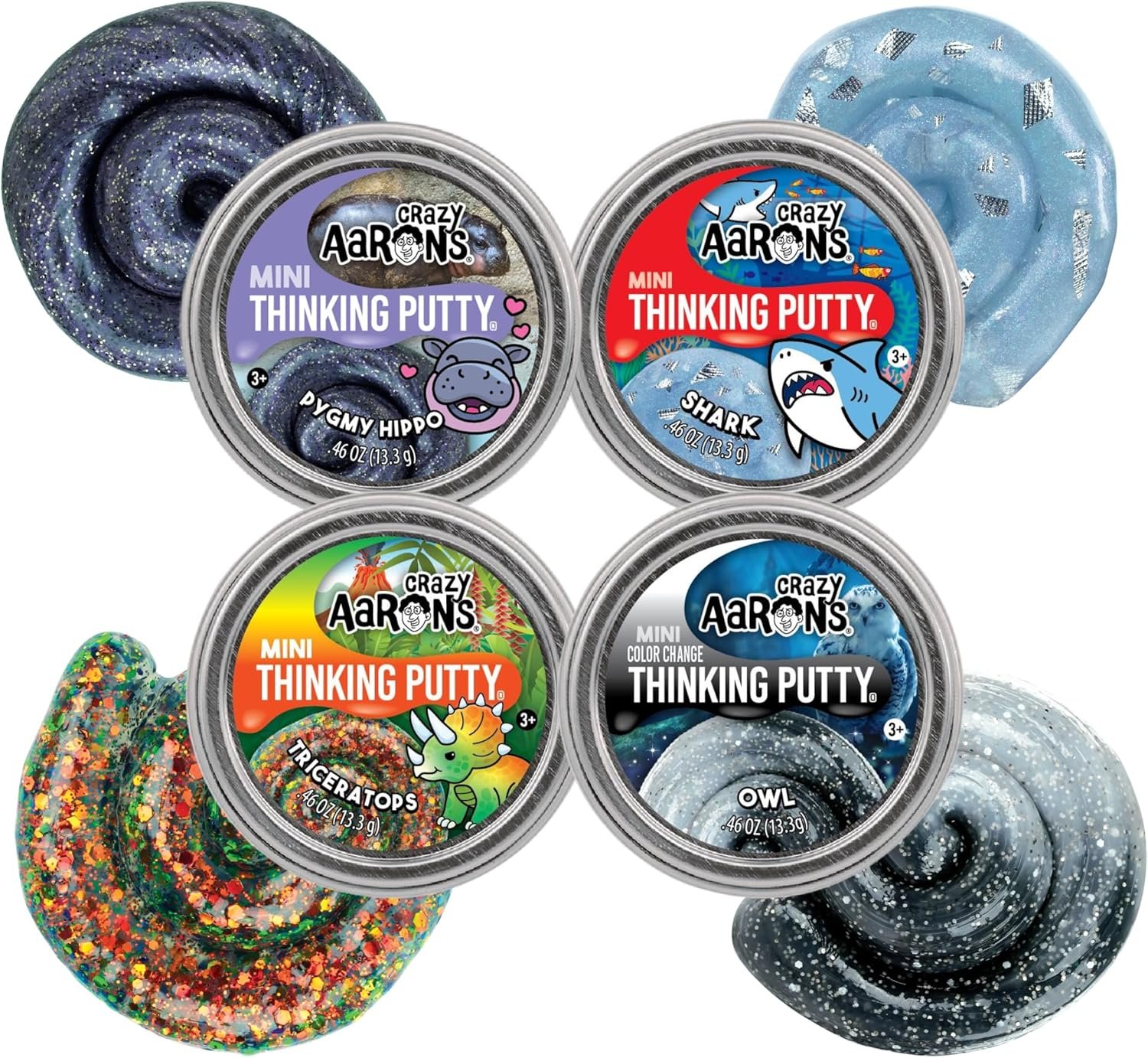
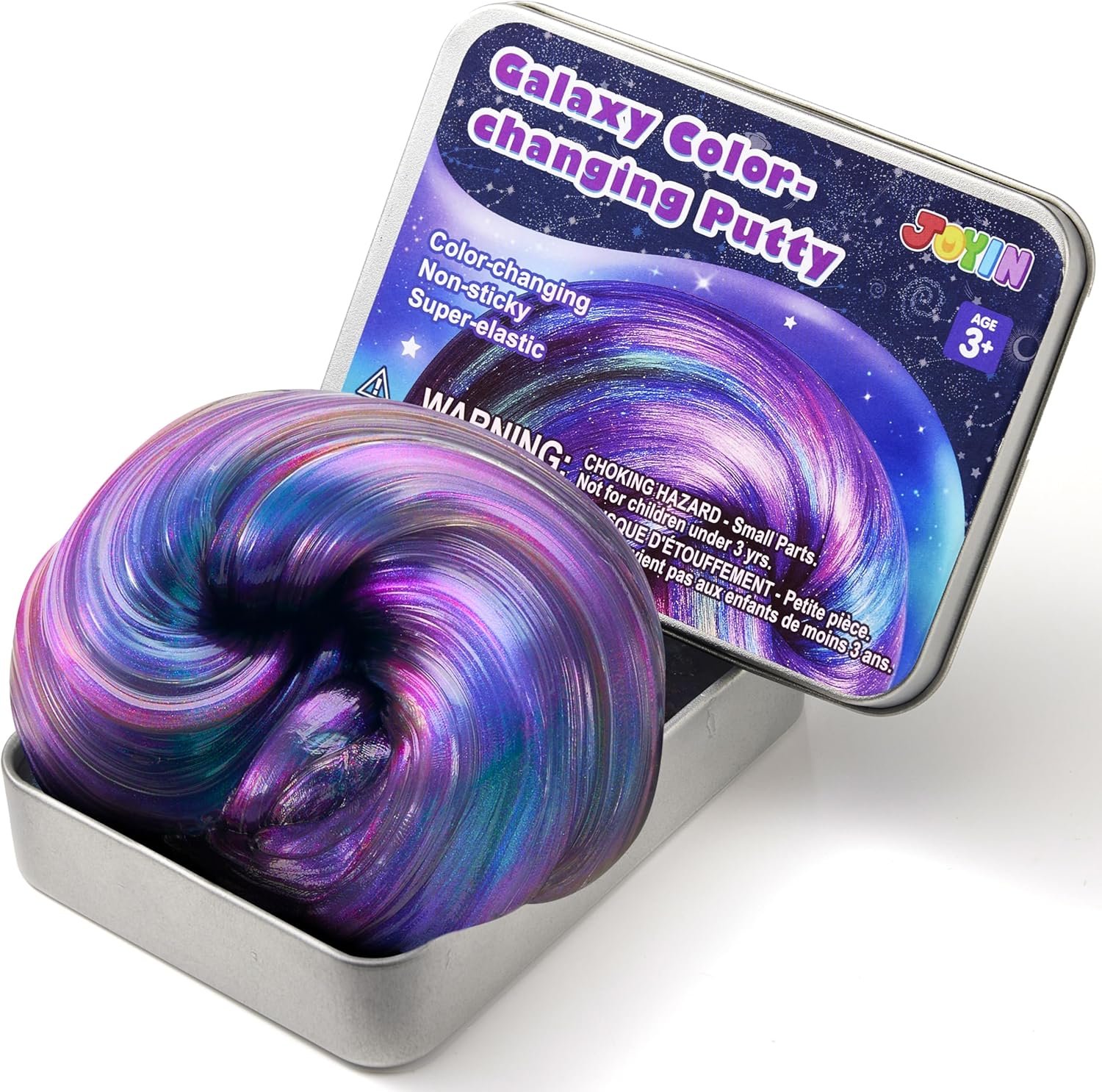
A stretchable, moldable putty that can be squeezed, rolled, or pulled.
|
|
|
|
Our Rating:
3.5
|
Our Rating:
3.5
|
Our Rating:
3.5
|
|
N/A
|
N/A
|
N/A
|
Why it helps:
Manipulating putty improves fine motor skills and provides calming tactile input.
Best for:
- Focus during homework
- Sensory exploration
6. Kinetic Sand
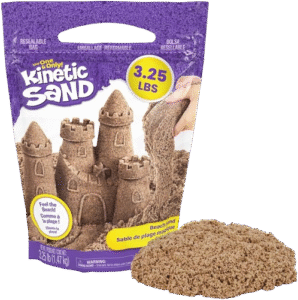
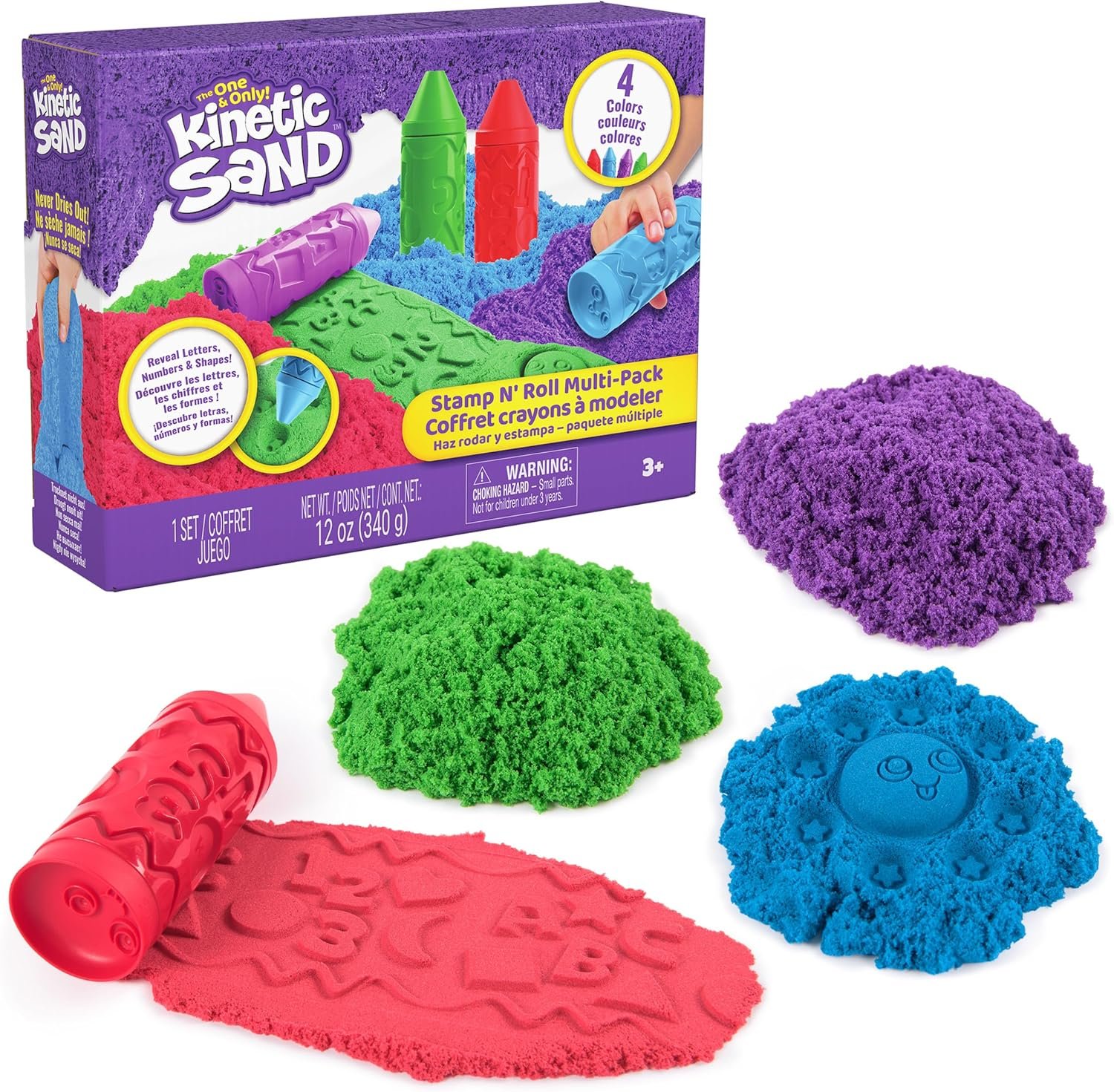
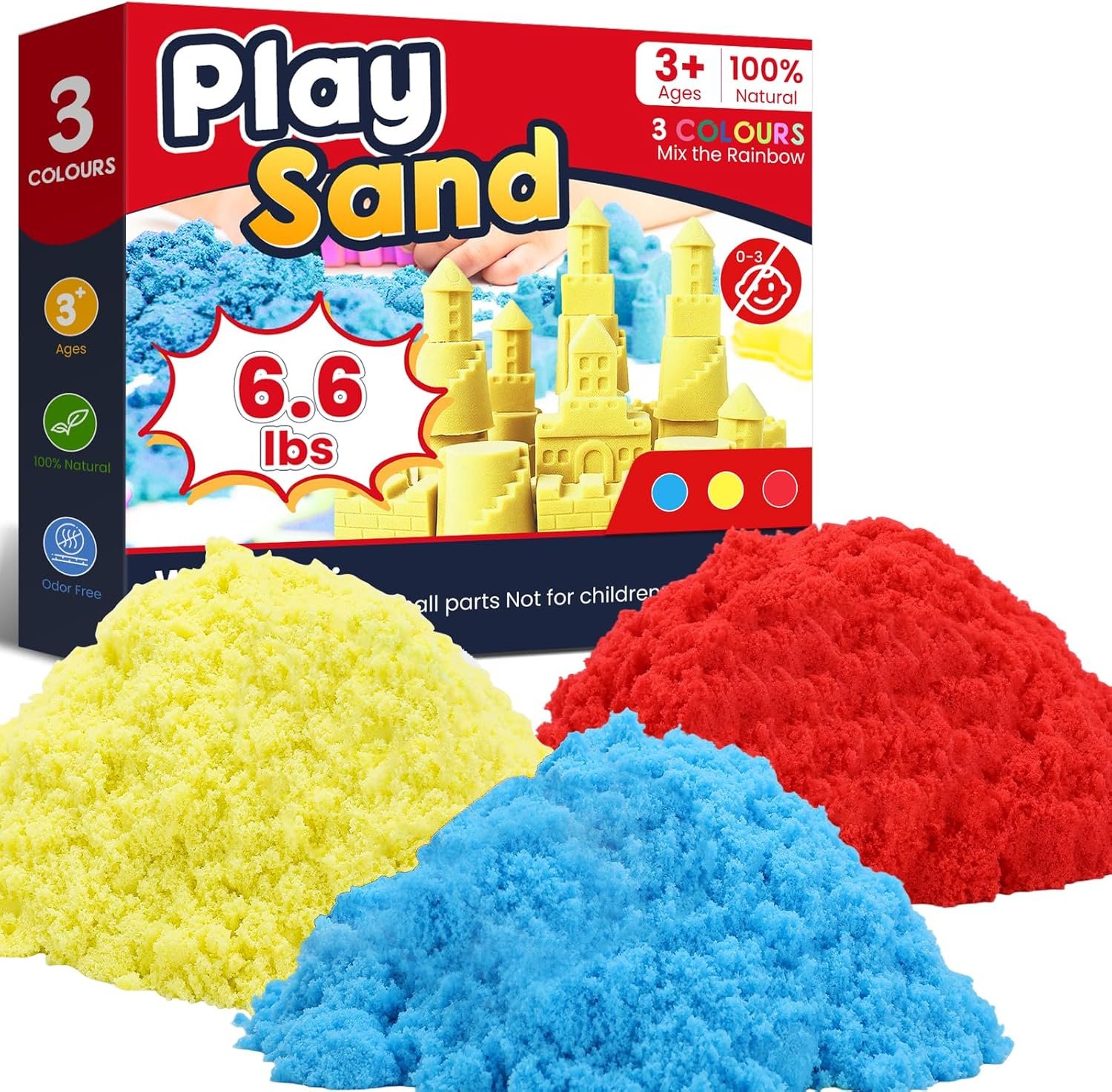
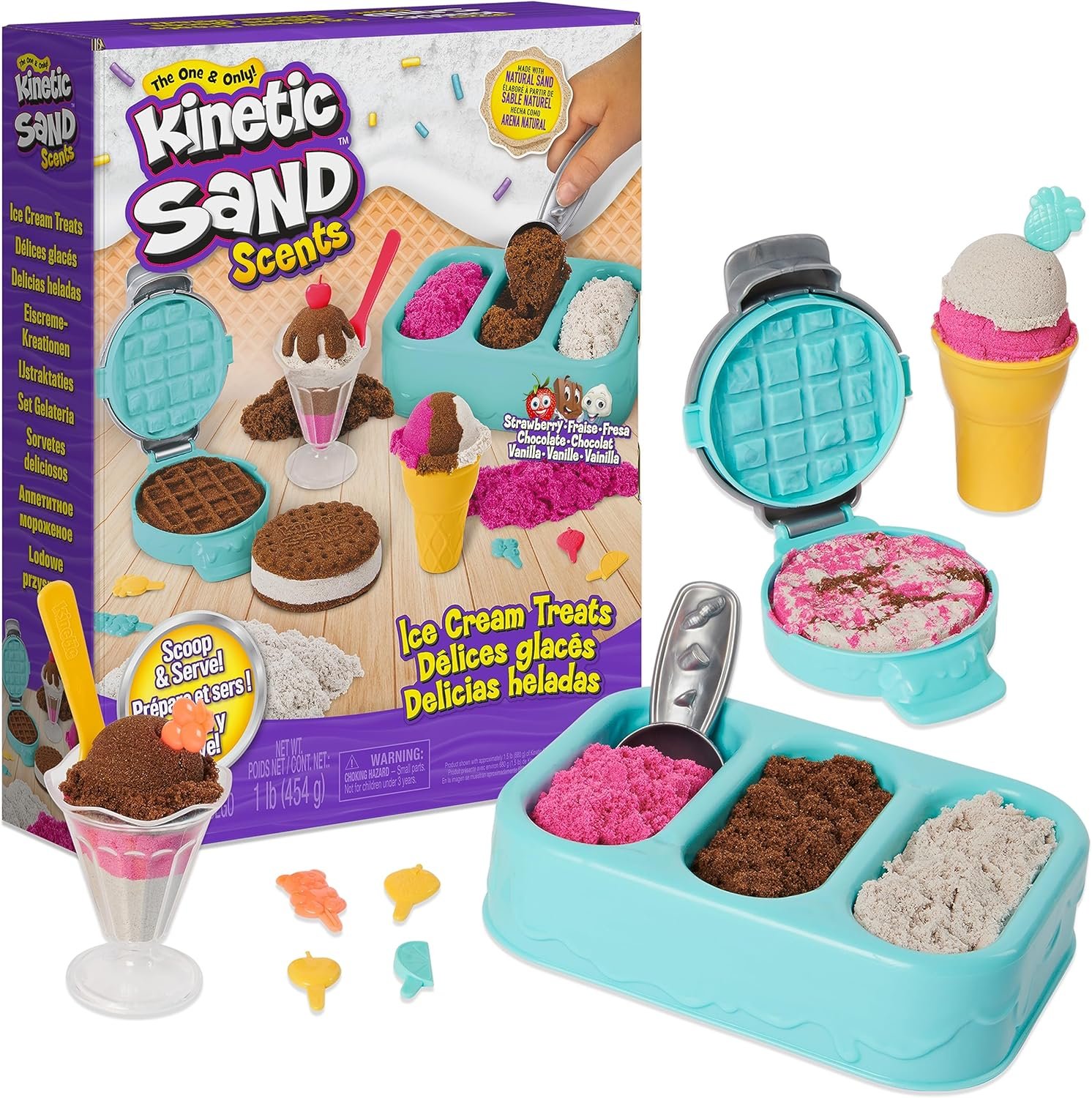
A soft, moldable sand that sticks together without drying out.
|
|
|
|
Our Rating:
3.5
|
Our Rating:
3.5
|
Our Rating:
3.5
|
|
N/A
|
N/A
|
N/A
|
Why it helps:
It provides a soothing tactile experience and encourages creative play.
Best for:
- Sensory seekers
- Relaxation at home
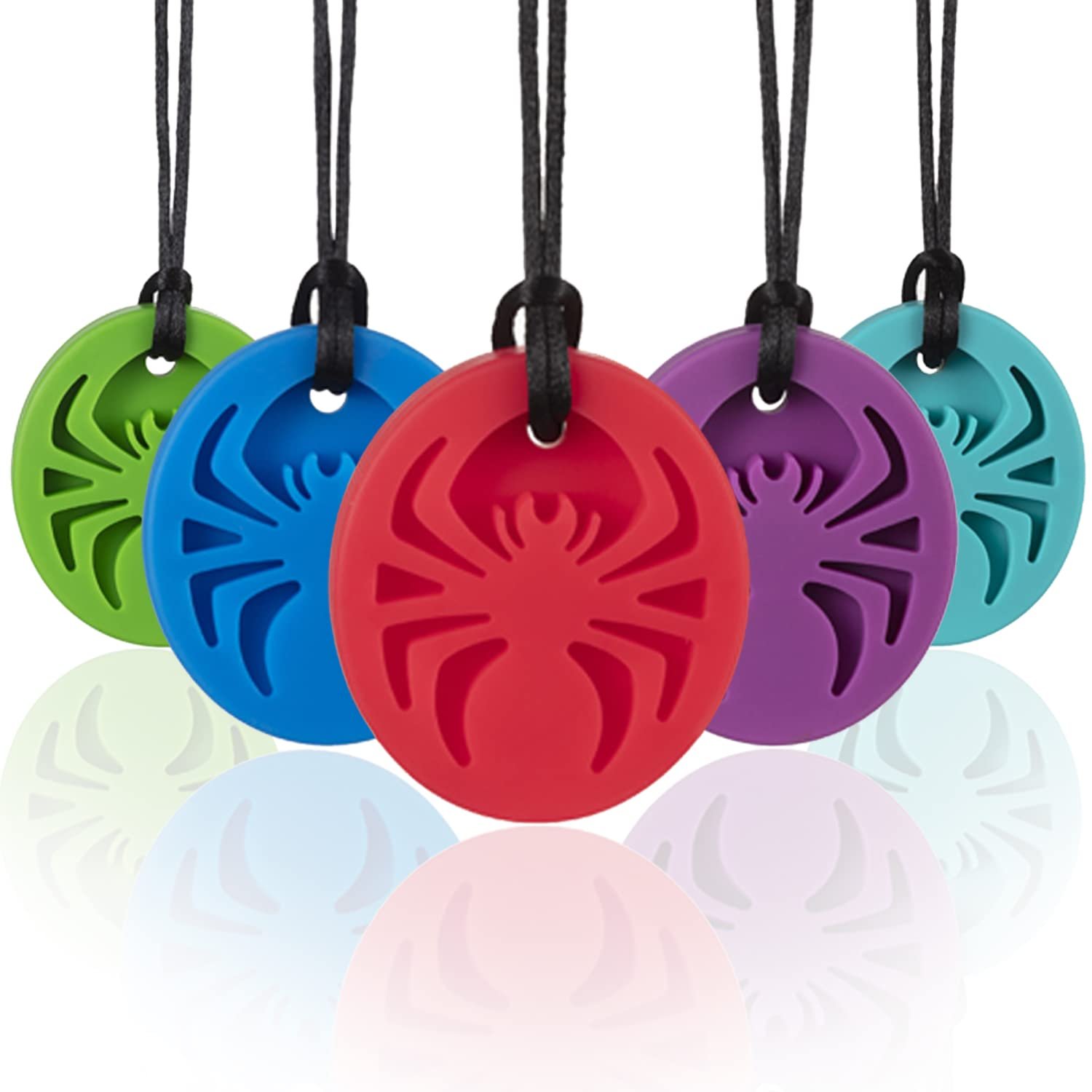
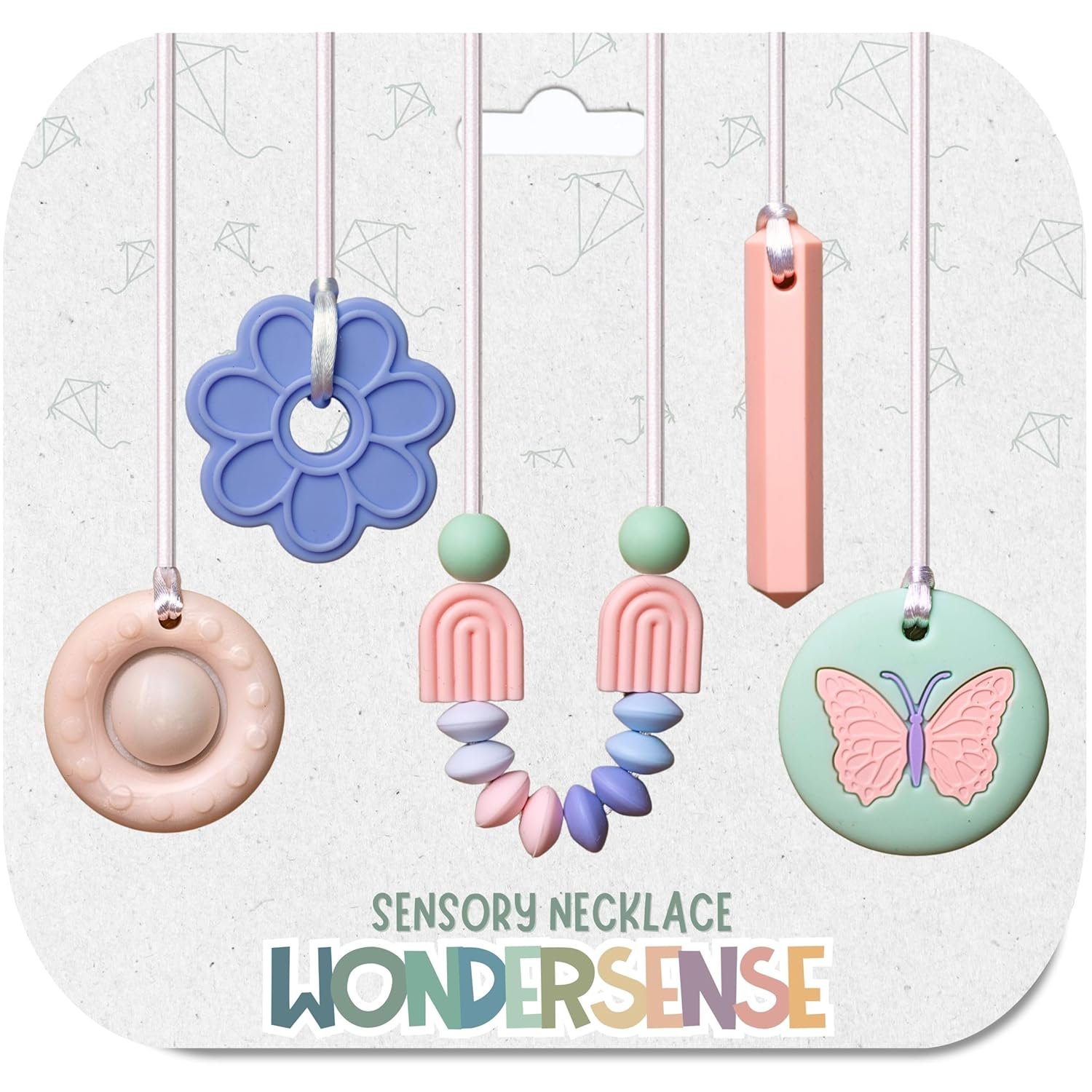
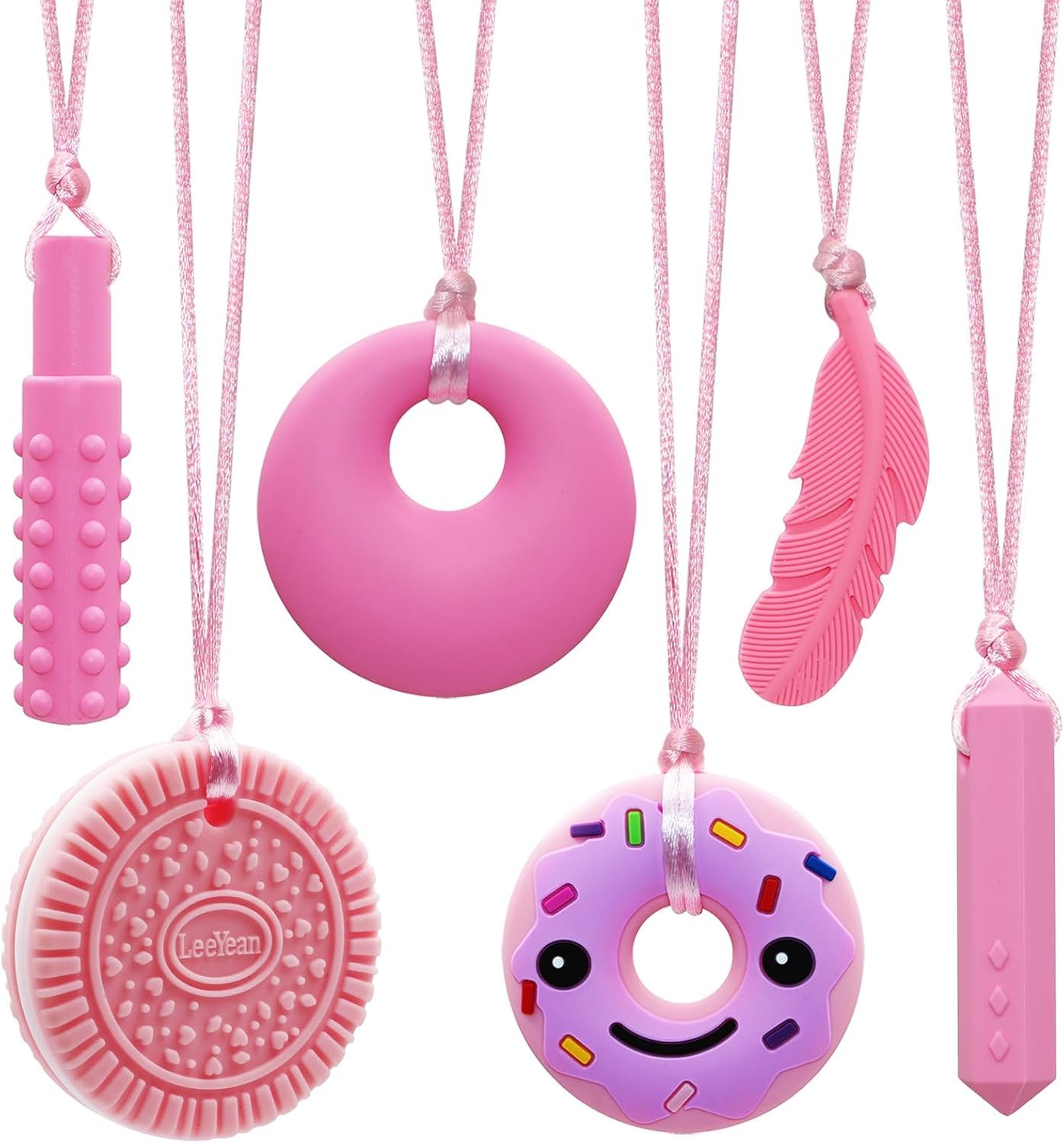
7. Chewable Necklaces (Oral Sensory Tools)

Made from safe silicone, these are designed for chewing.
|
|
|
|
Our Rating:
3.5
|
Our Rating:
3.5
|
Our Rating:
3.5
|
|
N/A
|
N/A
|
N/A
|
Why it helps:
They provide oral stimulation and prevent harmful chewing habits like biting nails or clothing.
Best for:
- Children with oral sensory needs
- Anxiety management
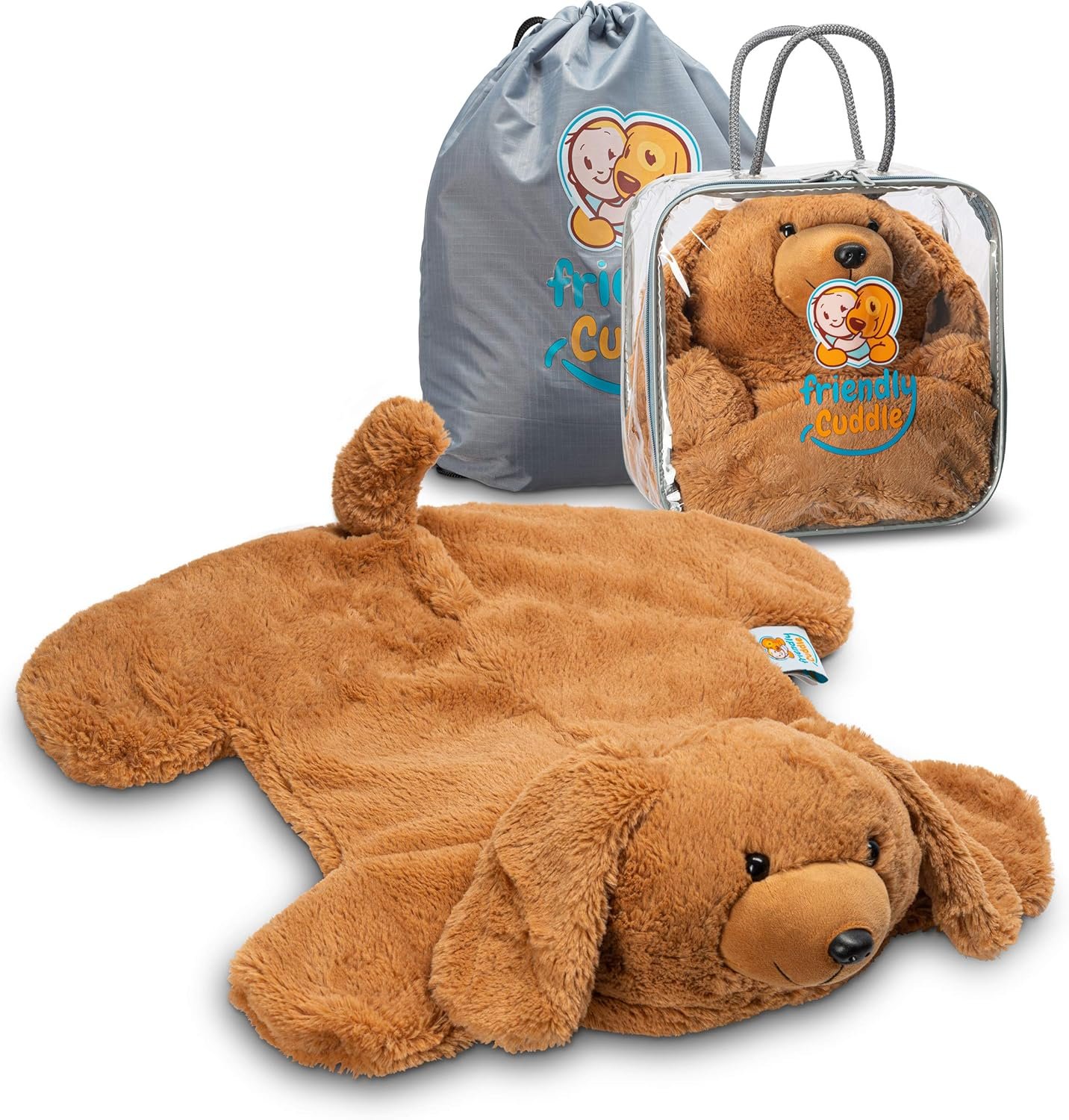
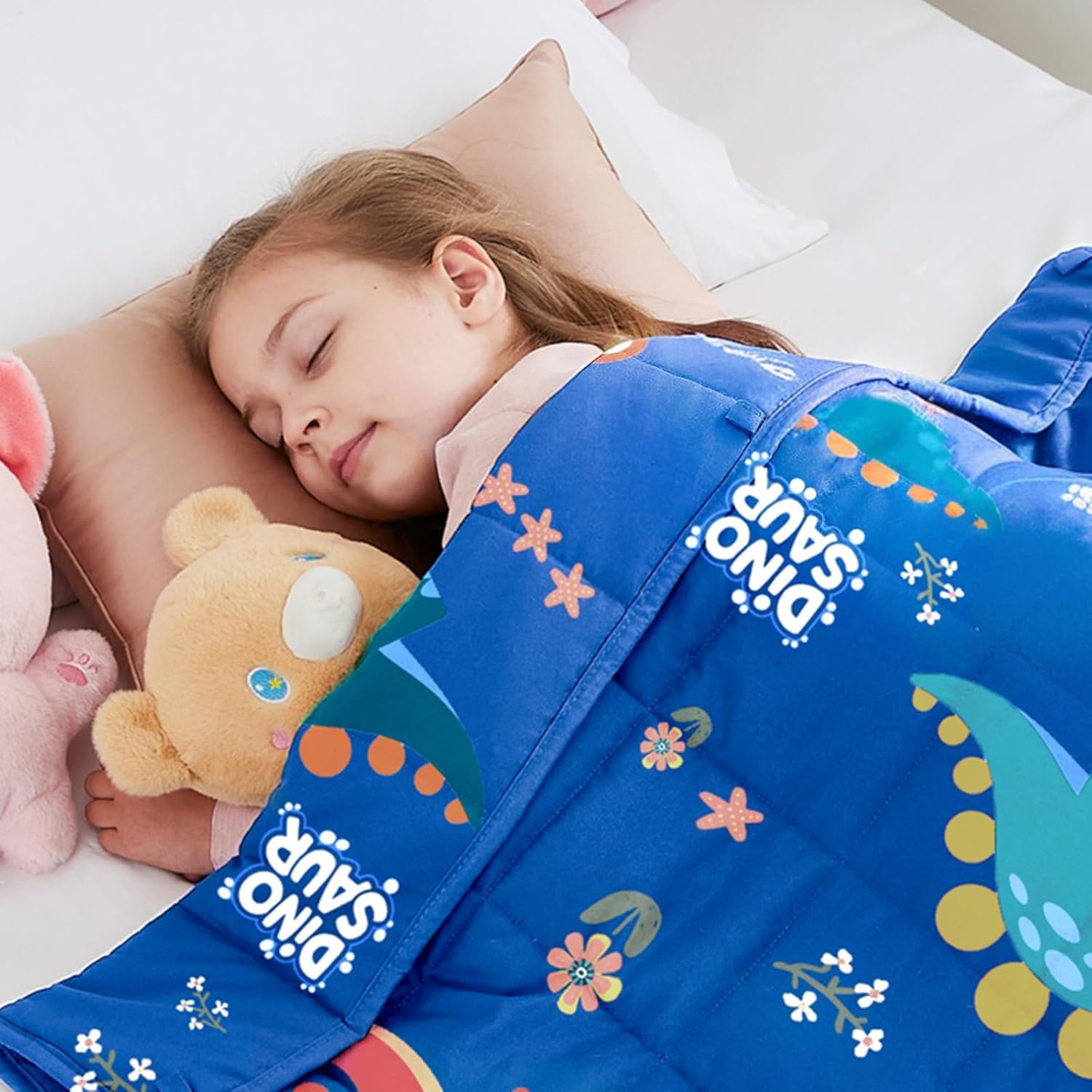
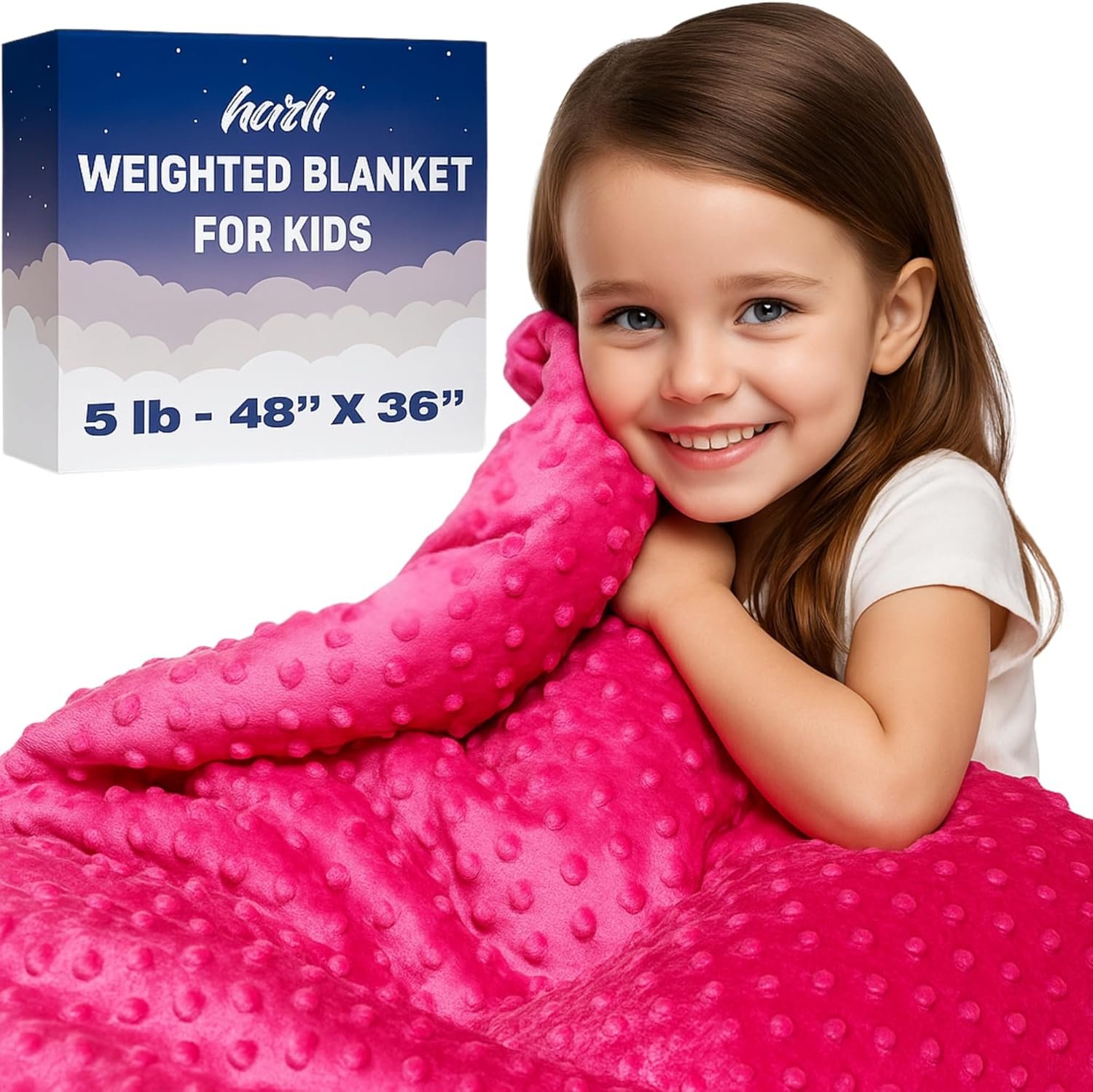
8. Weighted Blankets
Heavy blankets designed to apply gentle pressure to the body.
|
|
|
|
Our Rating:
3.5
|
Our Rating:
3.5
|
Our Rating:
3.5
|
|
N/A
|
N/A
|
N/A
|
Why it helps:
Deep pressure stimulation promotes calmness and improves sleep quality.
Best for:
- Bedtime routines
- Reducing anxiety
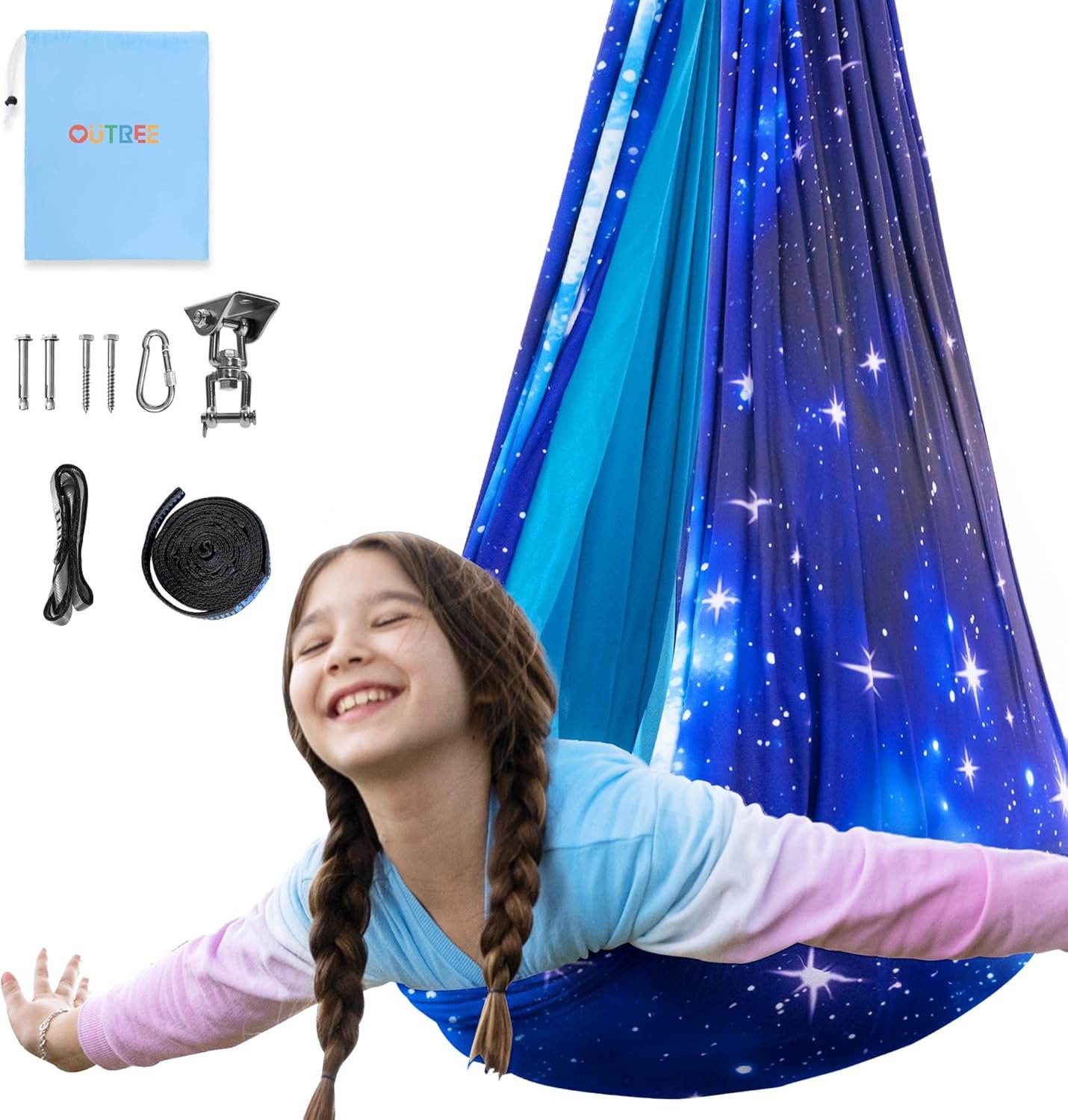
9. Sensory Swings

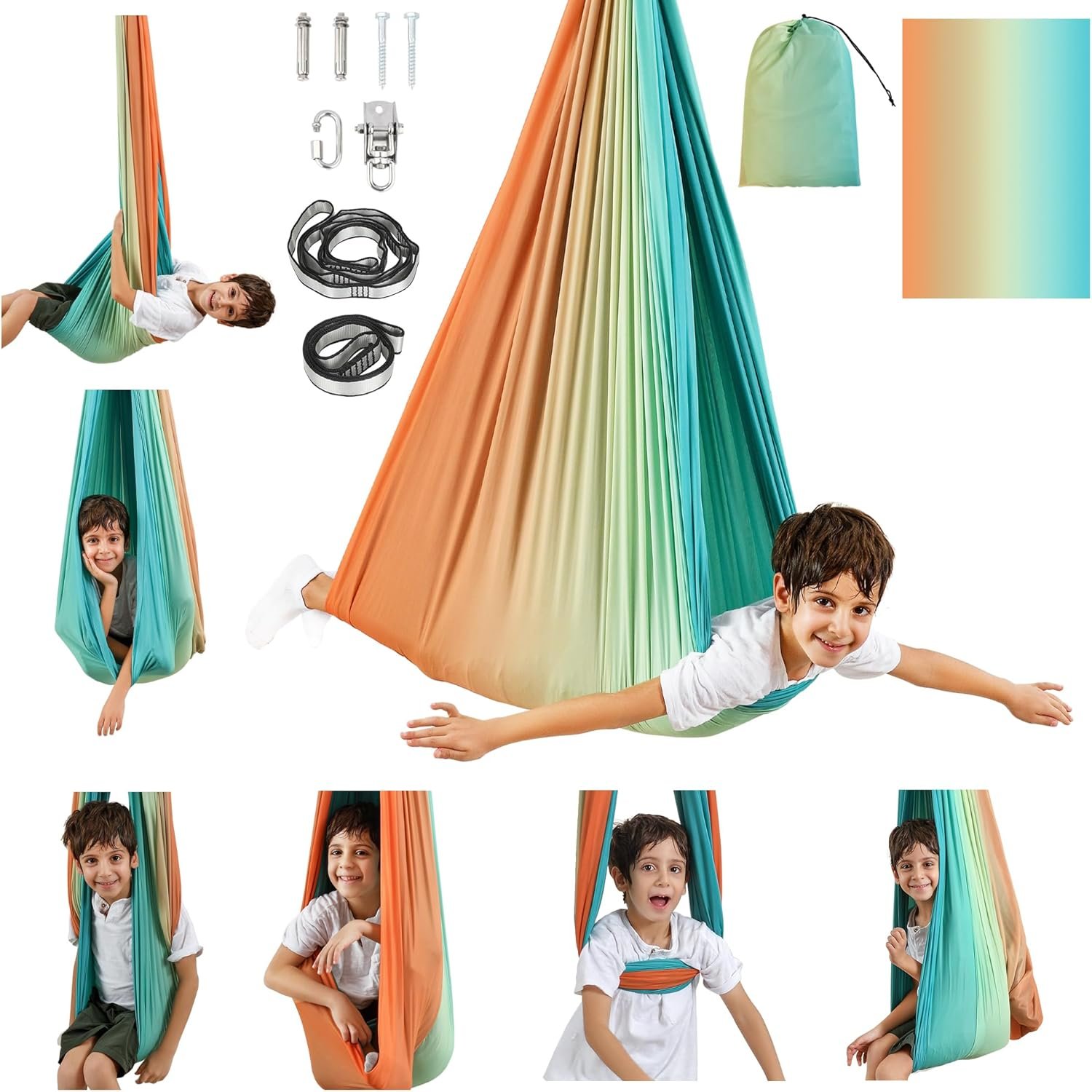
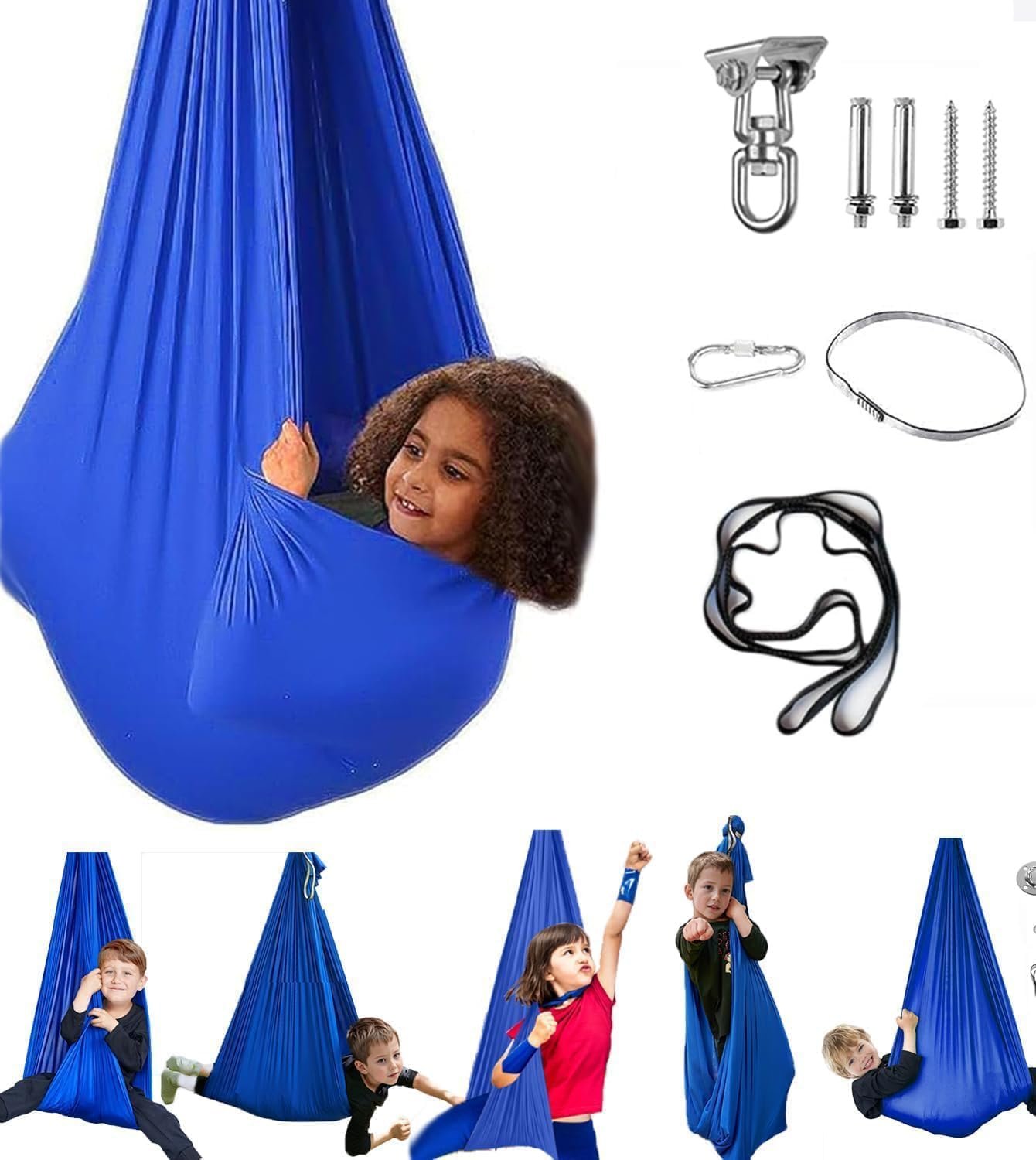
Indoor swings that allow gentle rocking or spinning.
|
|
|
|
Our Rating:
3.5
|
Our Rating:
3.5
|
Our Rating:
3.5
|
|
N/A
|
N/A
|
N/A
|
Why it helps:
They provide vestibular input (movement), which helps regulate balance and emotions.
Best for:
- Hyperactive children
- Emotional regulation
10. Noise-Canceling Headphones
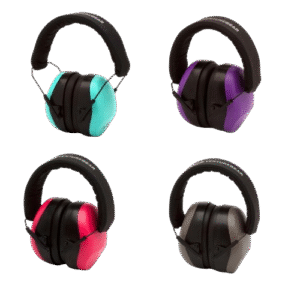
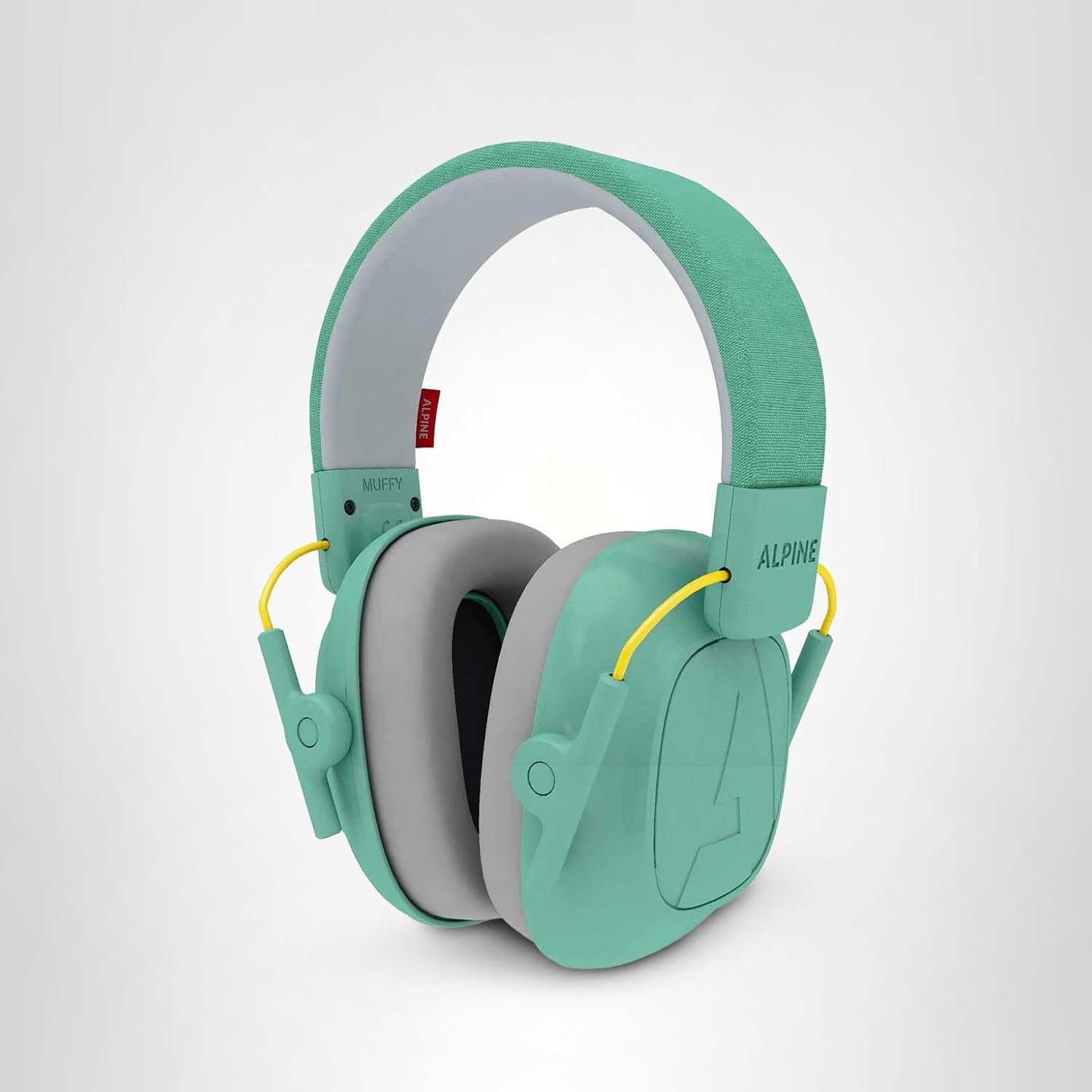
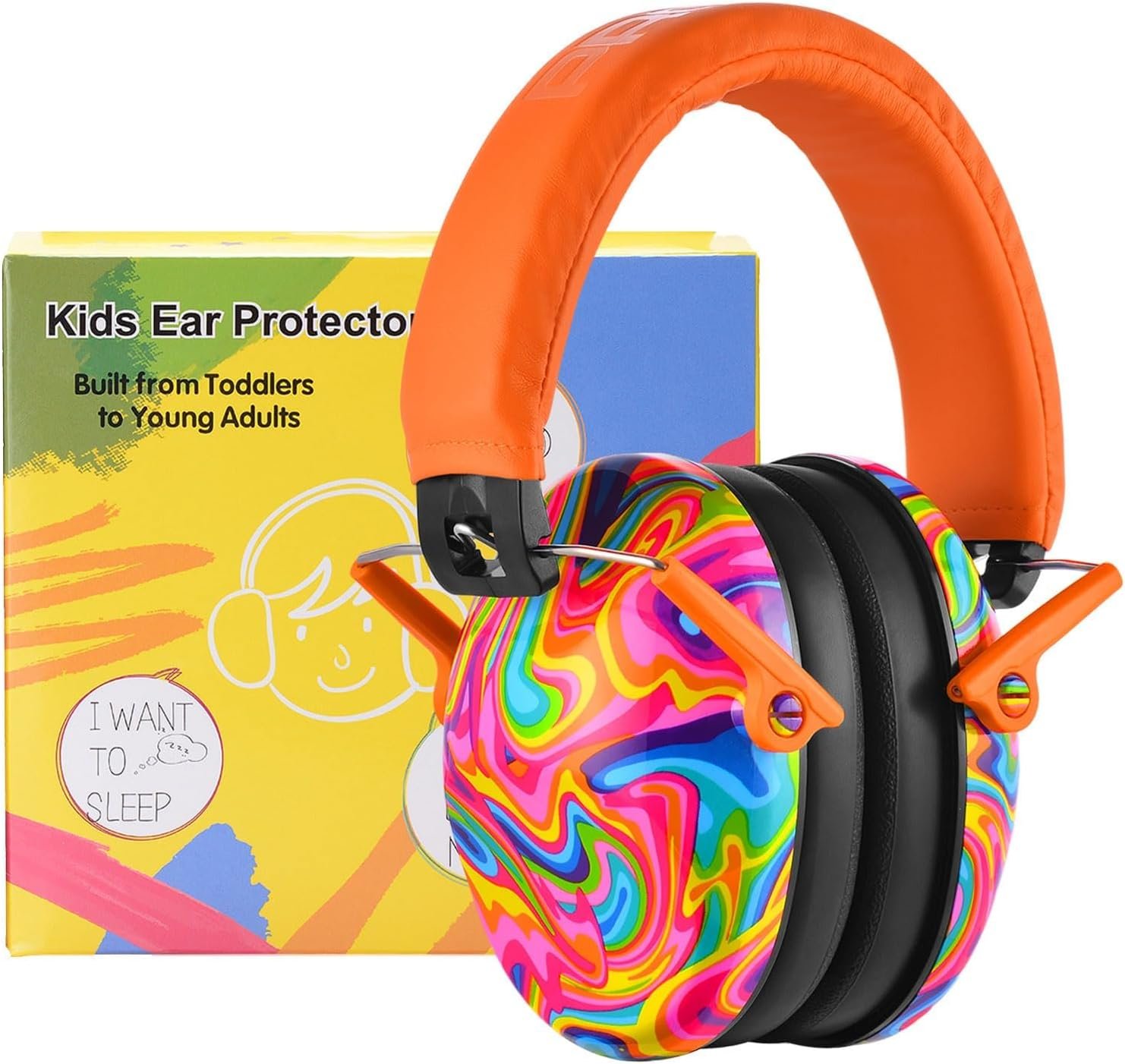
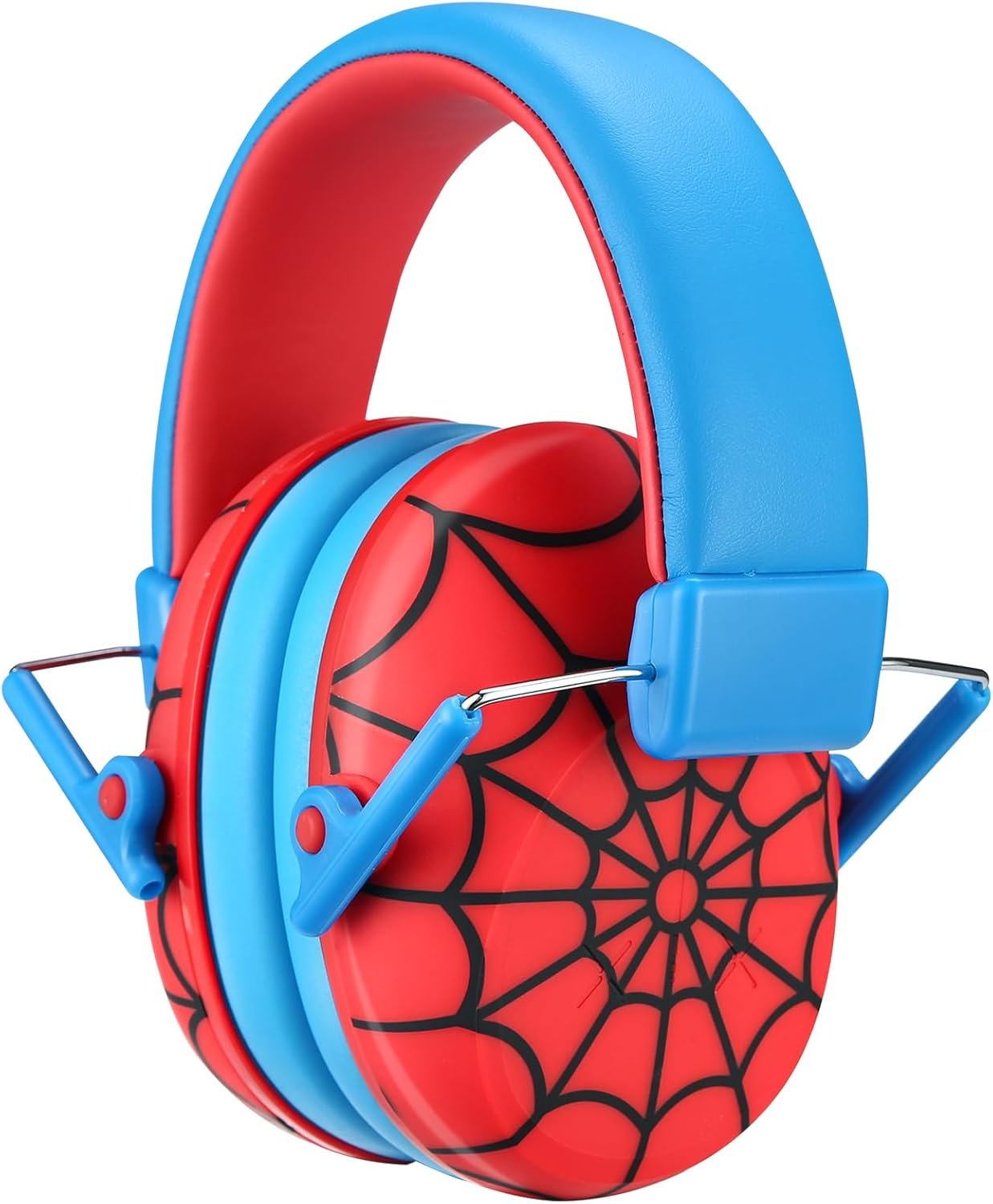
Headphones that reduce or block external noise.
|
|
|
|
Our Rating:
3.5
|
Our Rating:
3.5
|
Our Rating:
3.5
|
|
N/A
|
N/A
|
N/A
|
Why it helps:
They minimize overwhelming sounds, making environments more manageable.
Best for:
- School settings
- Public places
11. Liquid Motion Timers
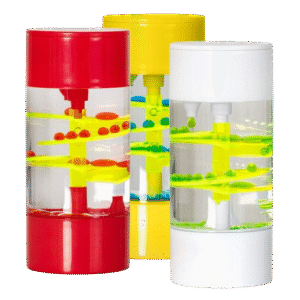
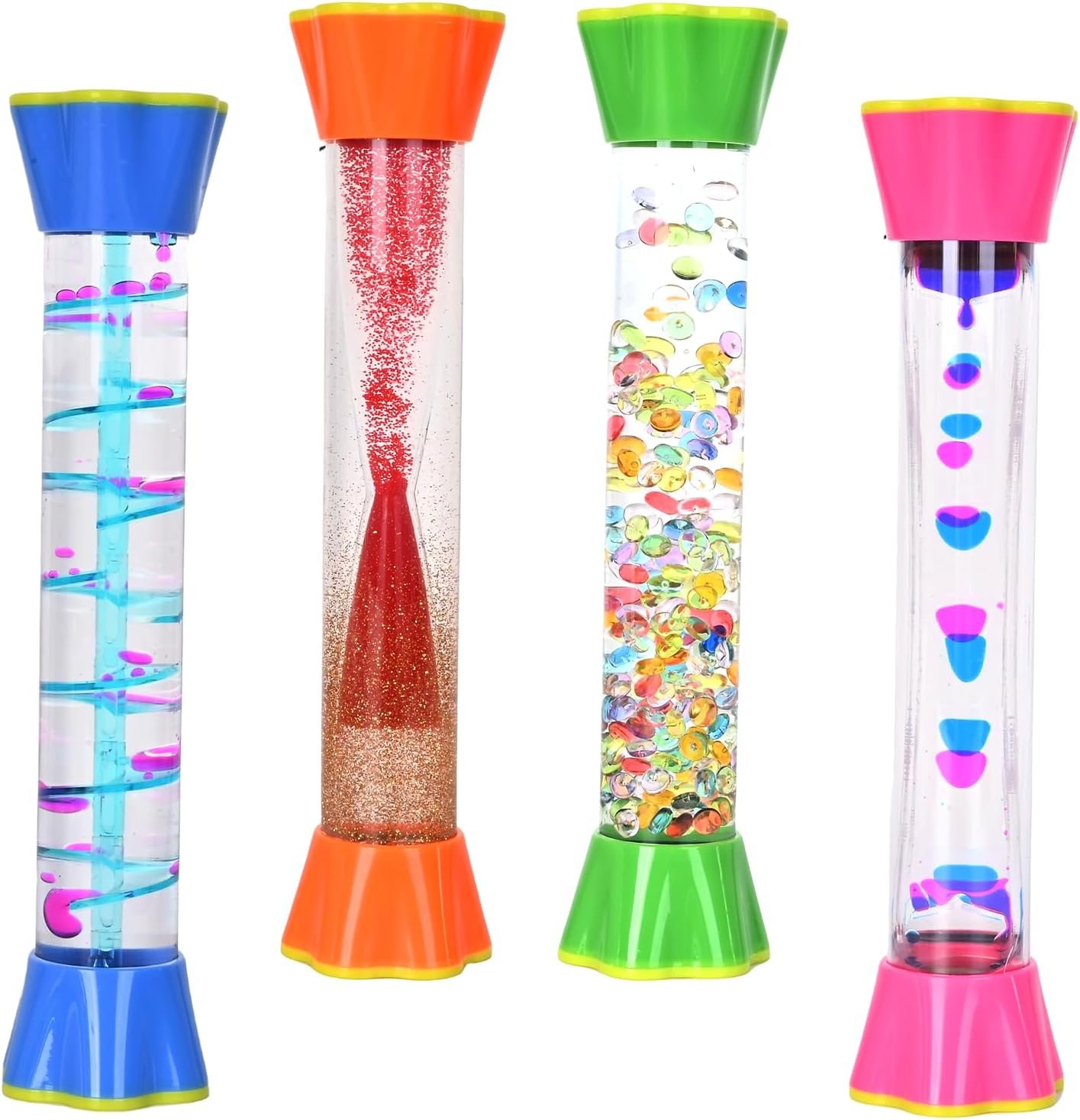
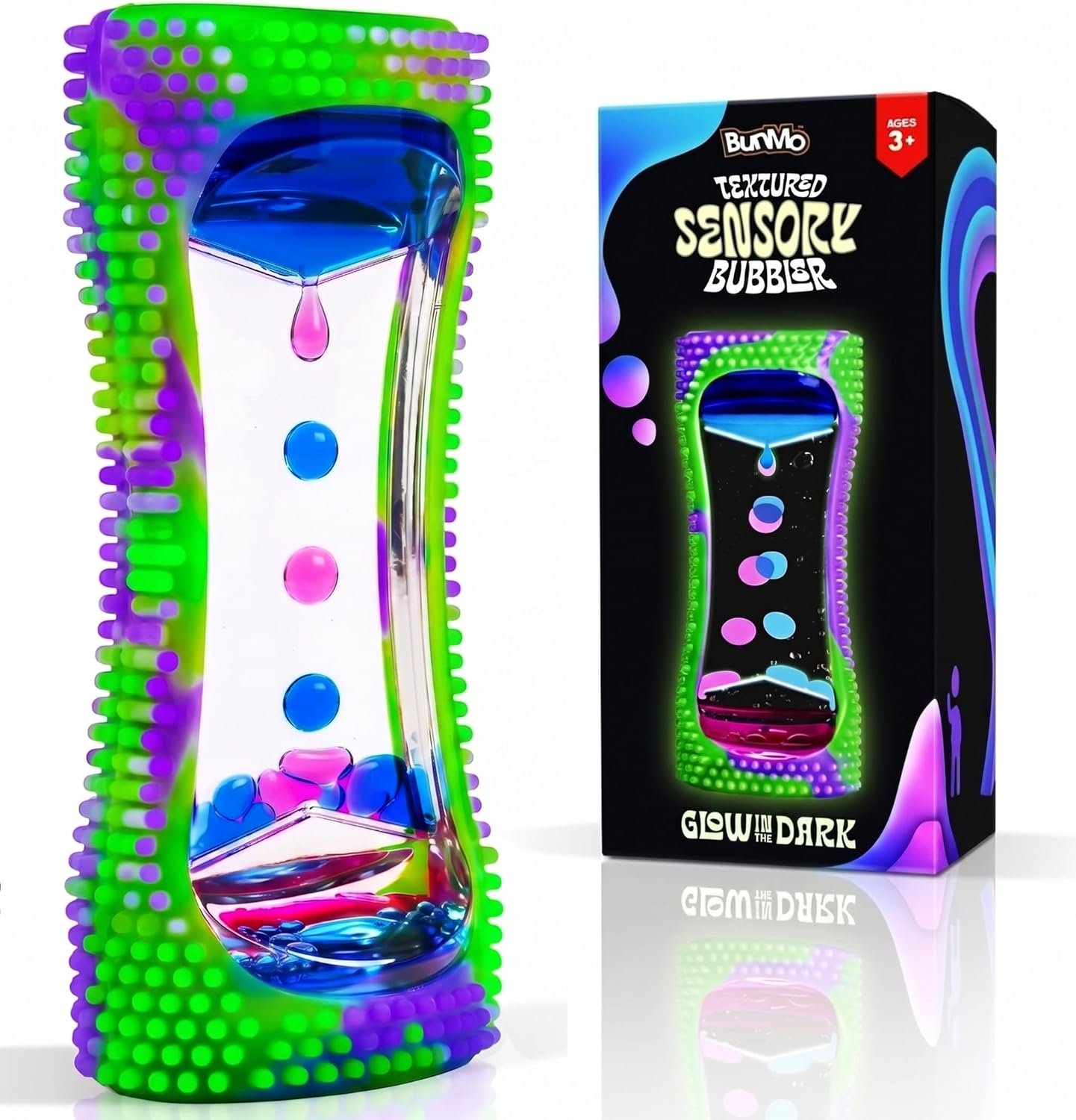
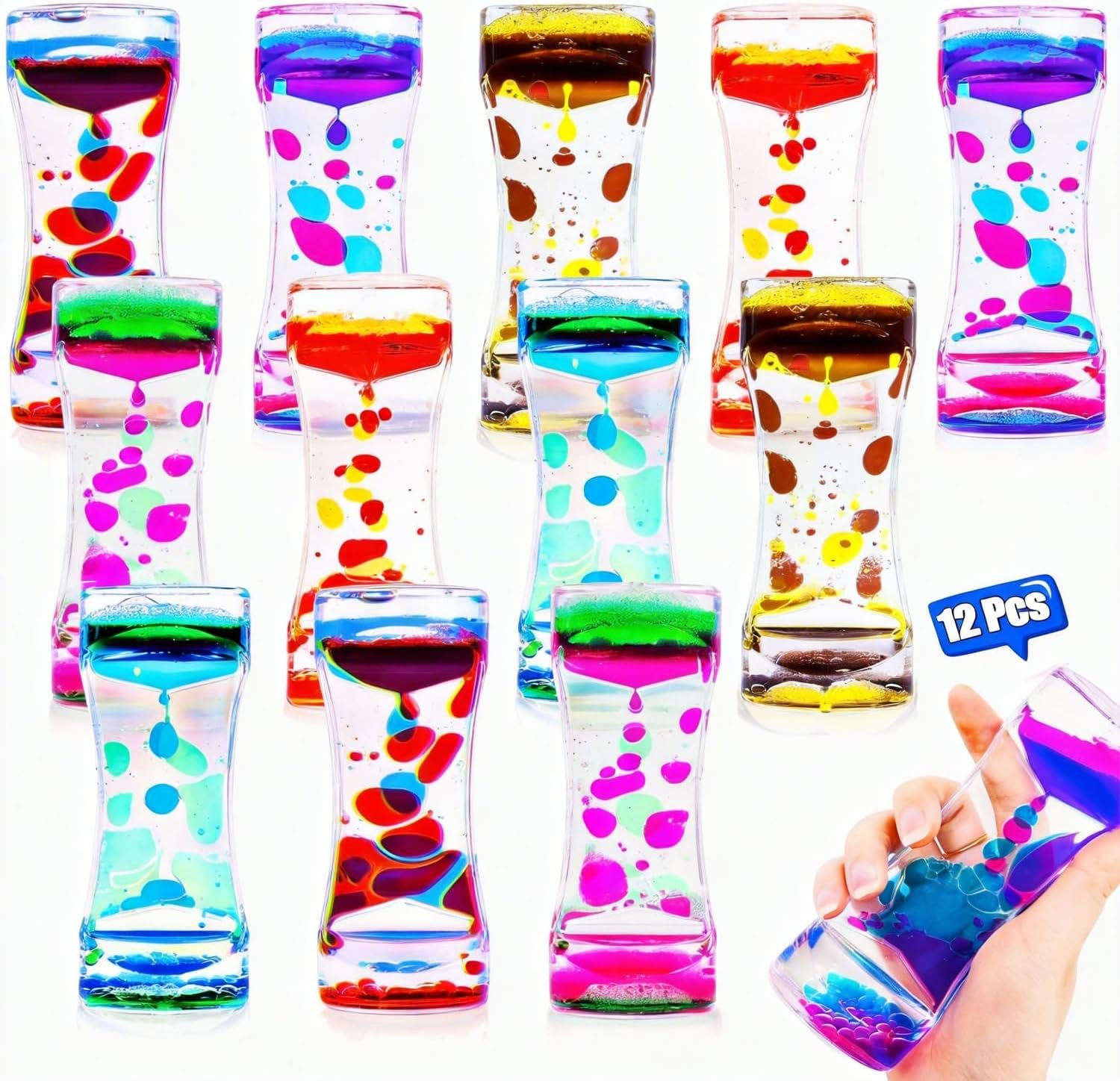
Colorful liquid timers where bubbles slowly fall through liquid chambers.
|
|
|
|
Our Rating:
3.5
|
Our Rating:
3.5
|
Our Rating:
3.5
|
|
N/A
|
N/A
|
N/A
|
Why it helps:
Watching the movement has a calming, almost hypnotic effect.
Best for:
- Reducing anxiety
- Visual sensory stimulation
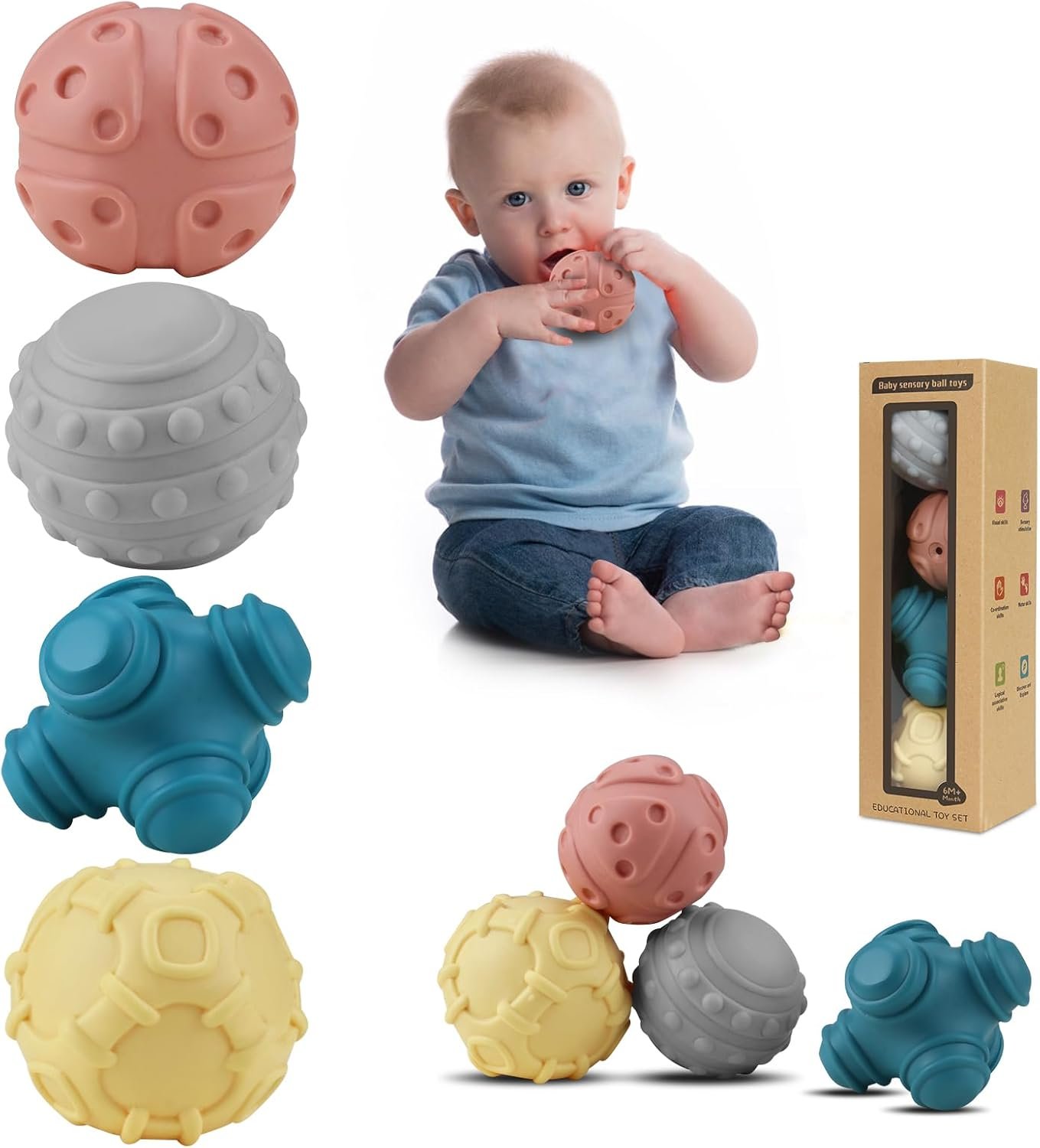
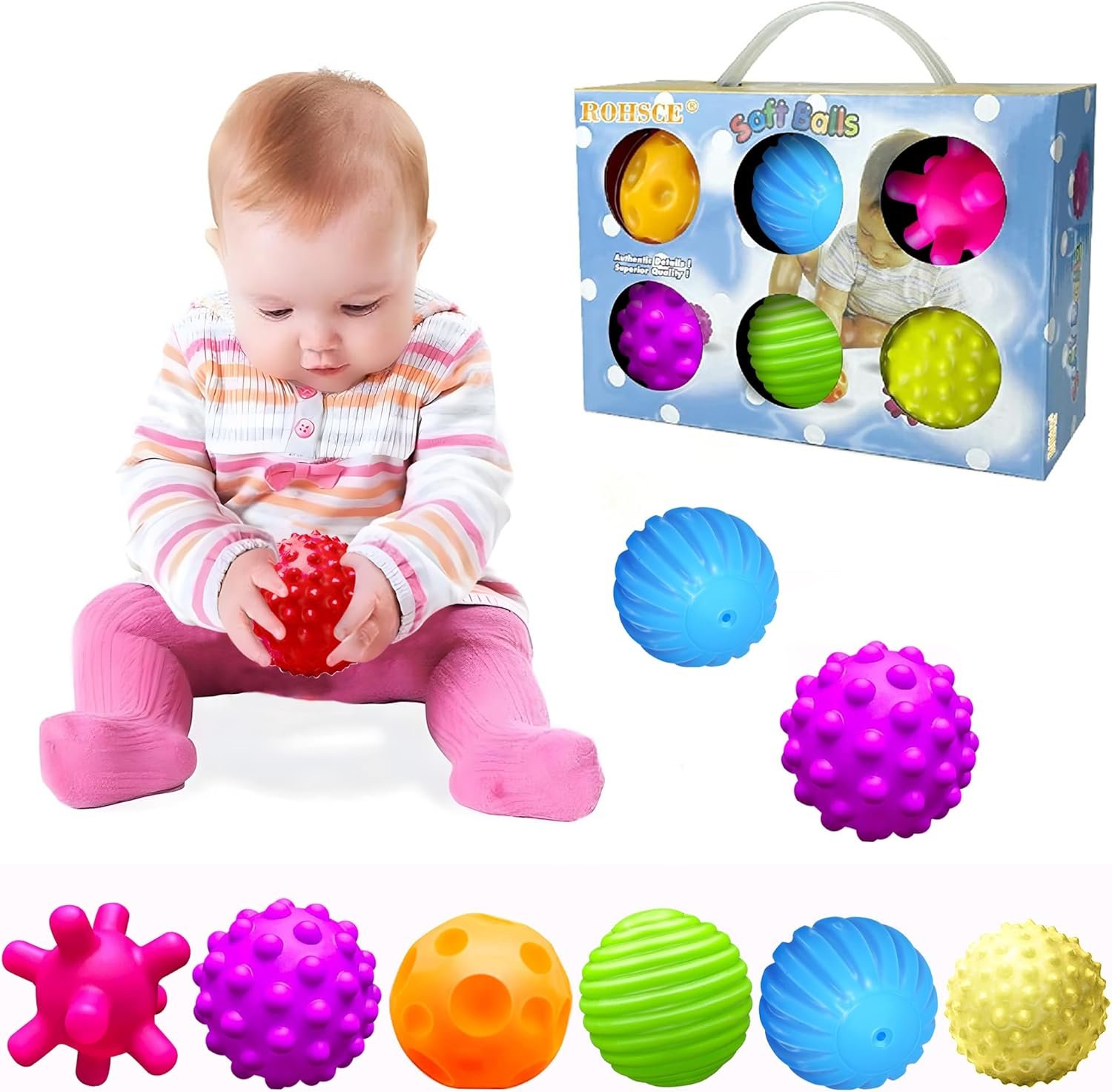
12. Textured Sensory Balls
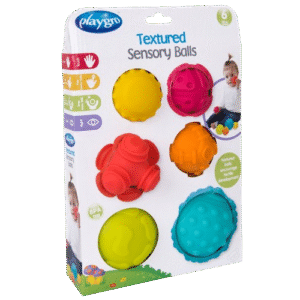
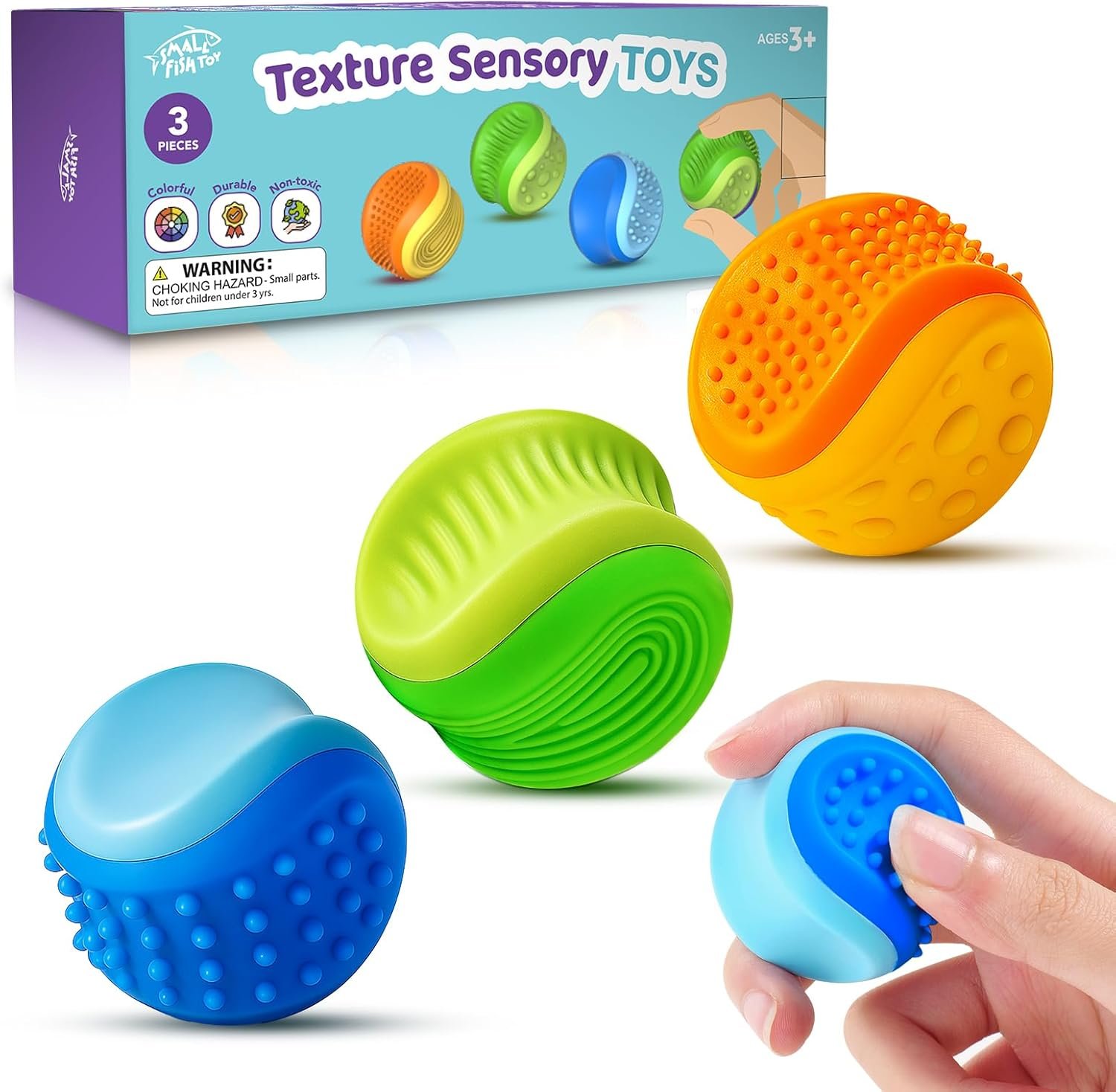
Balls with spikes, ridges, or different textures.
|
|
|
|
Our Rating:
3.5
|
Our Rating:
3.5
|
Our Rating:
3.5
|
|
N/A
|
N/A
|
N/A
|
Why it helps:
They stimulate touch receptors and improve tactile awareness.
Best for:
- Sensory seekers
- Stress relief
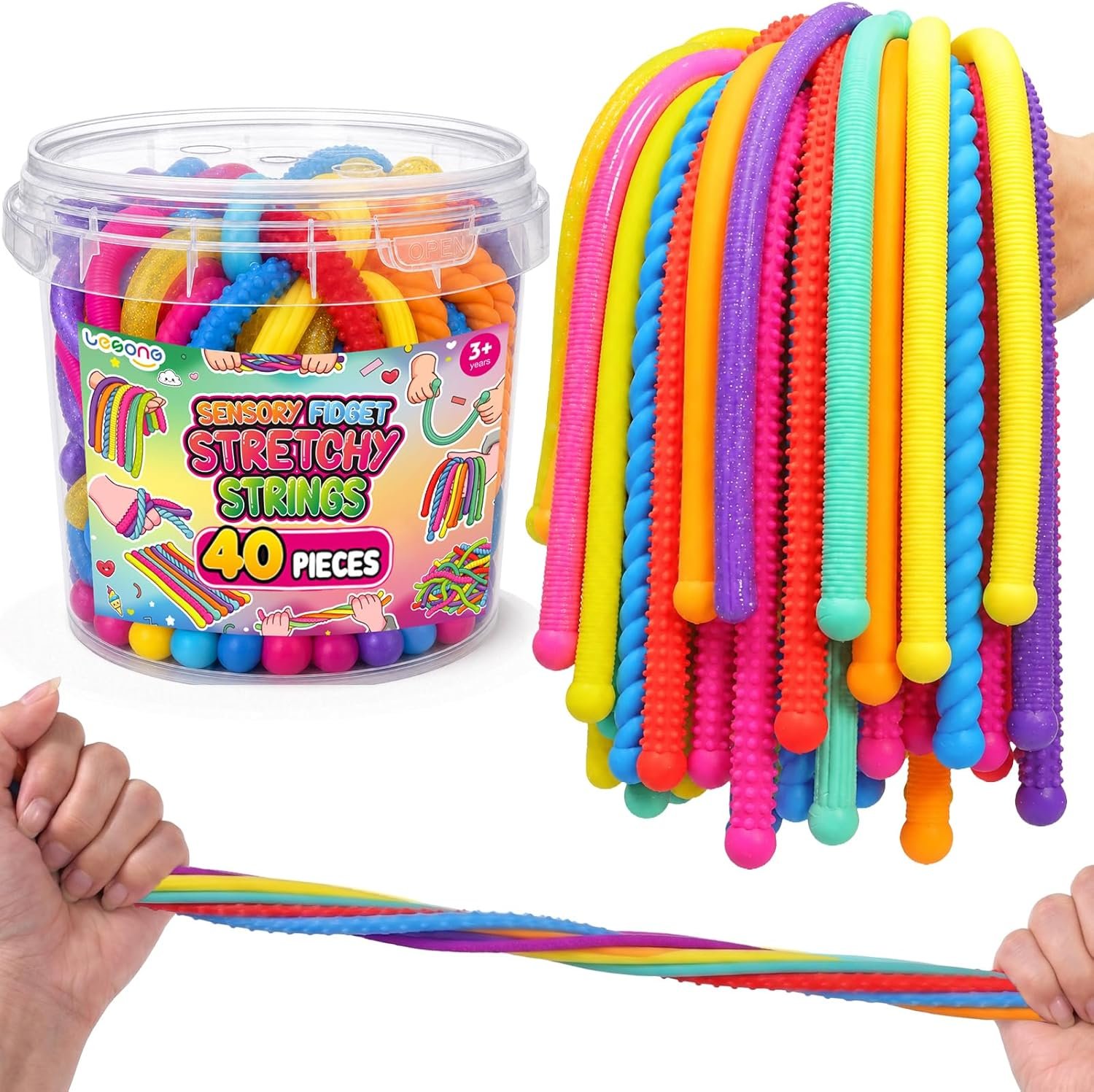
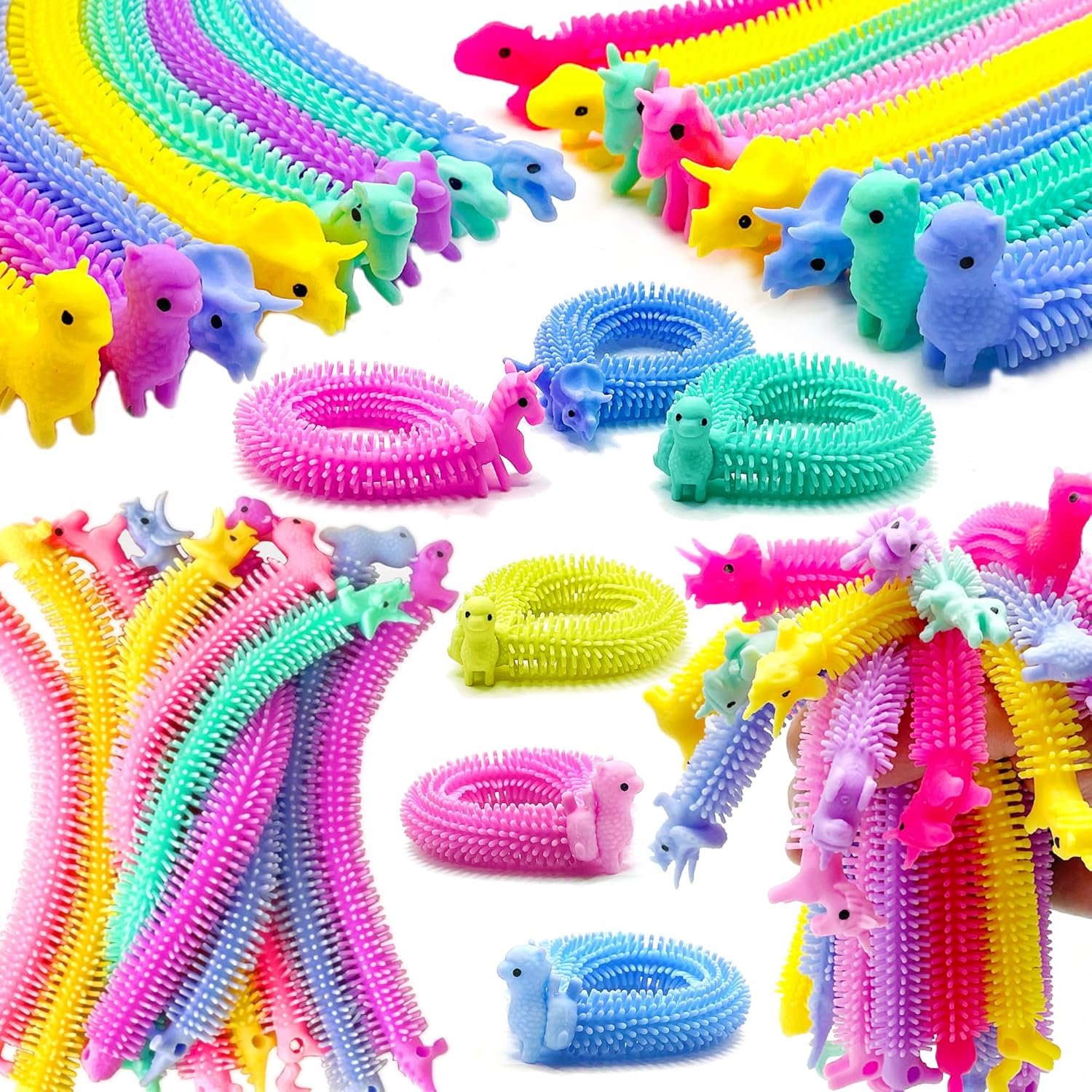
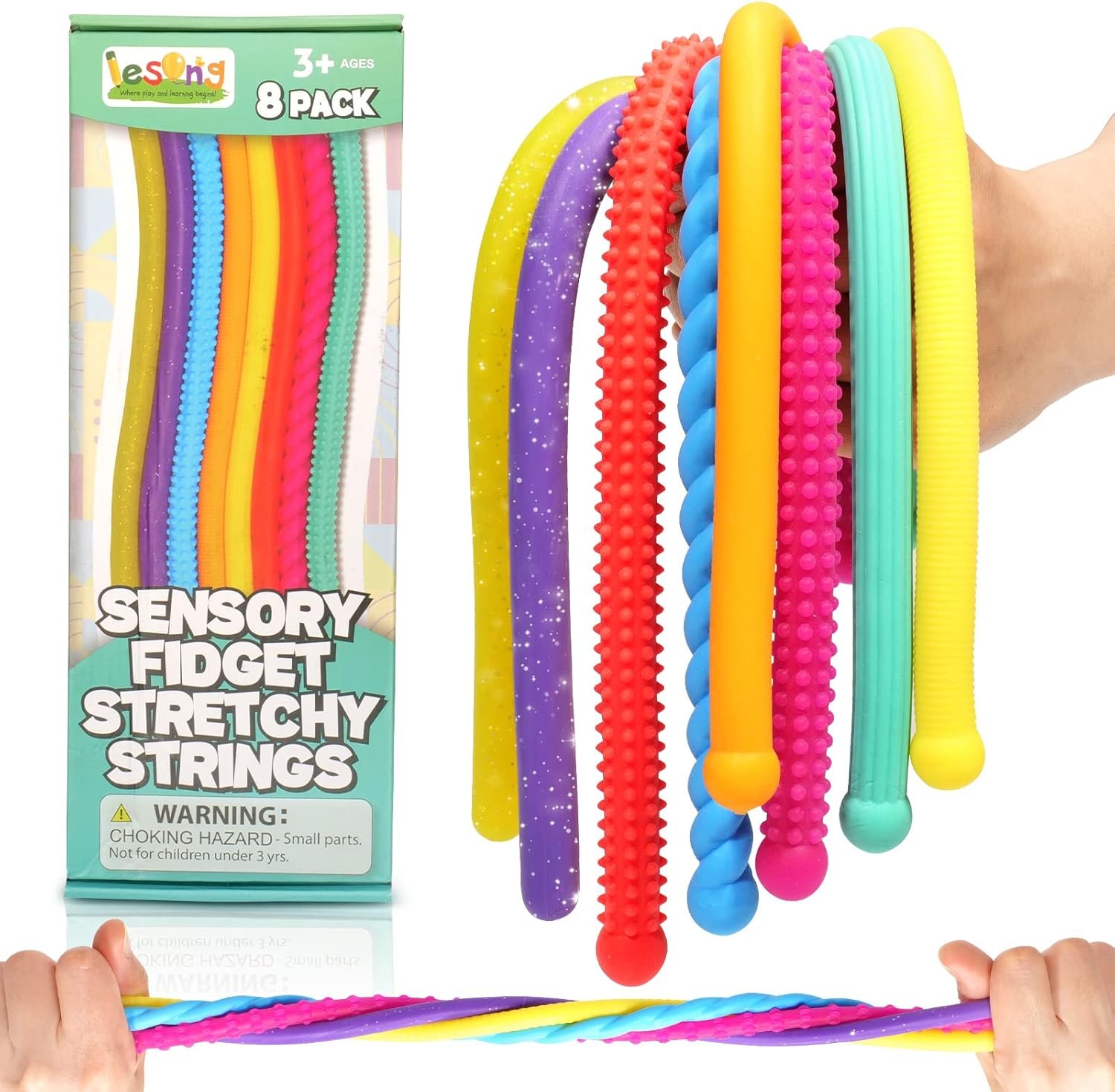
13. Stretchy Sensory Strings (Noodles)
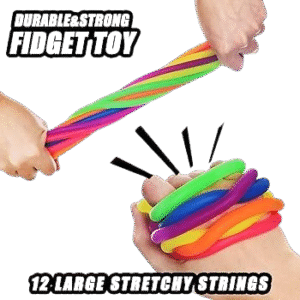
Elastic, stretchy toys that can be pulled and twisted.
|
|
|
|
Our Rating:
3.5
|
Our Rating:
3.5
|
Our Rating:
3.5
|
|
N/A
|
N/A
|
N/A
|
Why it helps:
They provide resistance and tactile feedback, which can be calming.
Best for:
- Fidgeting during tasks
- Hand strength development
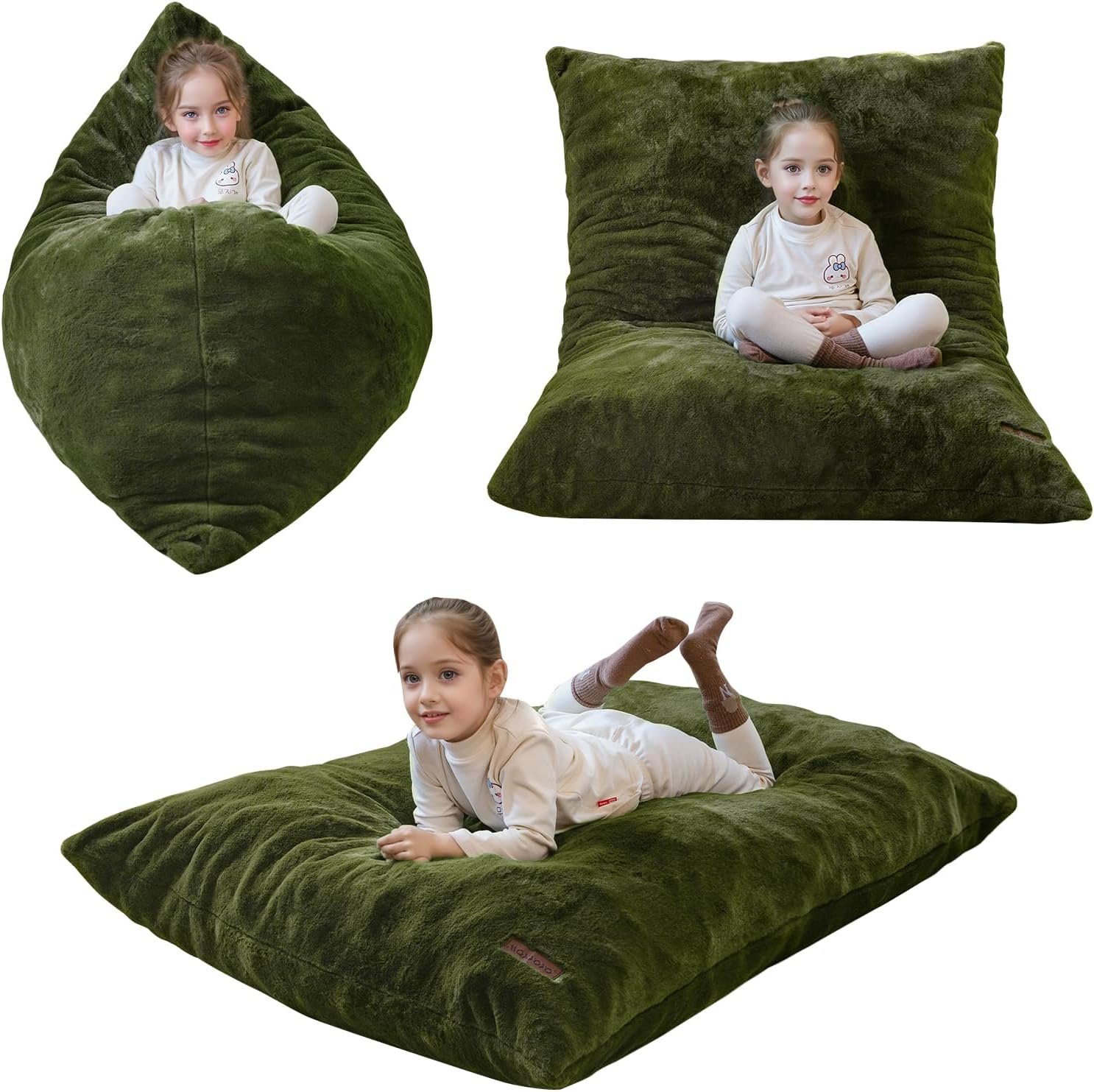
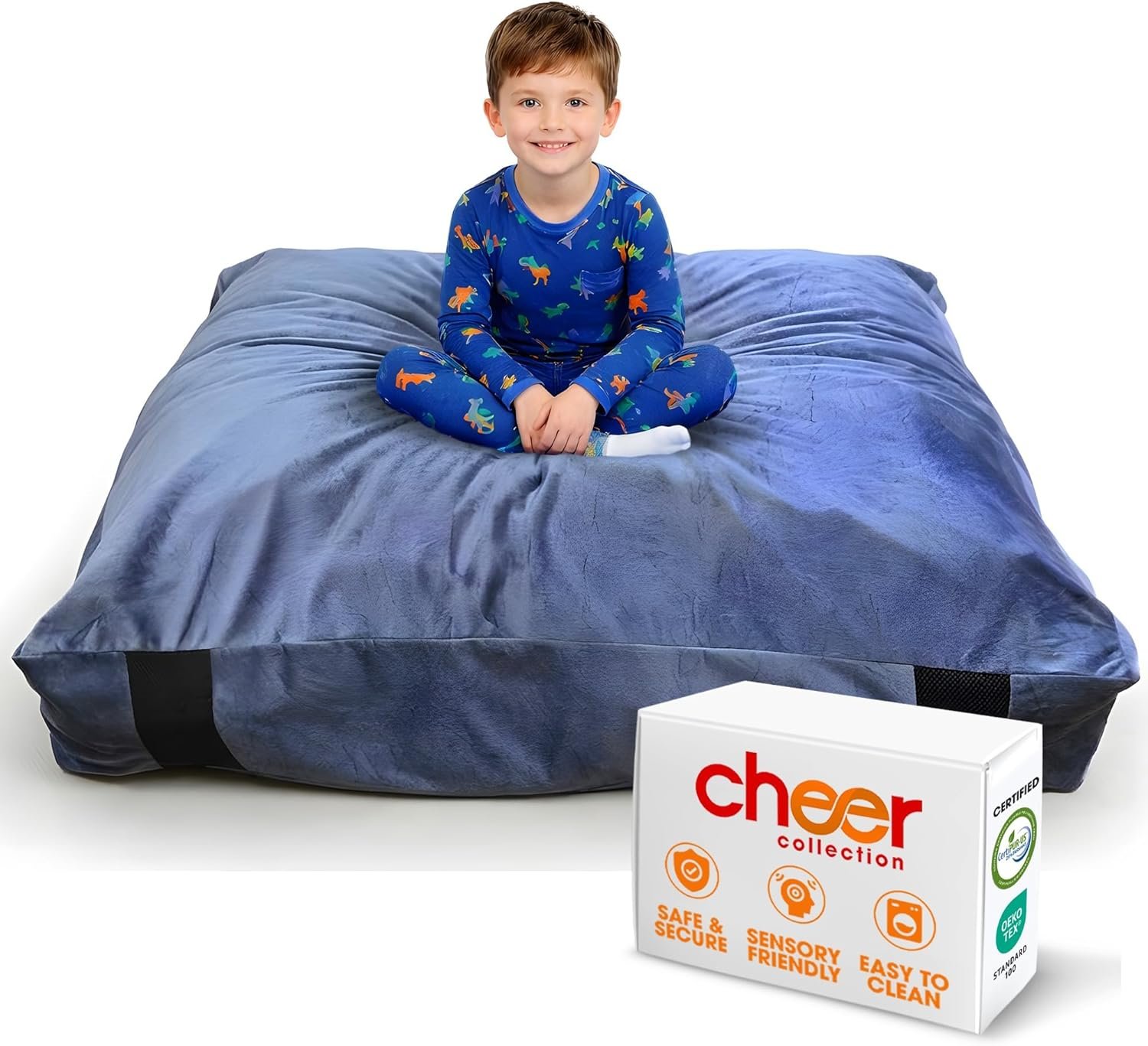
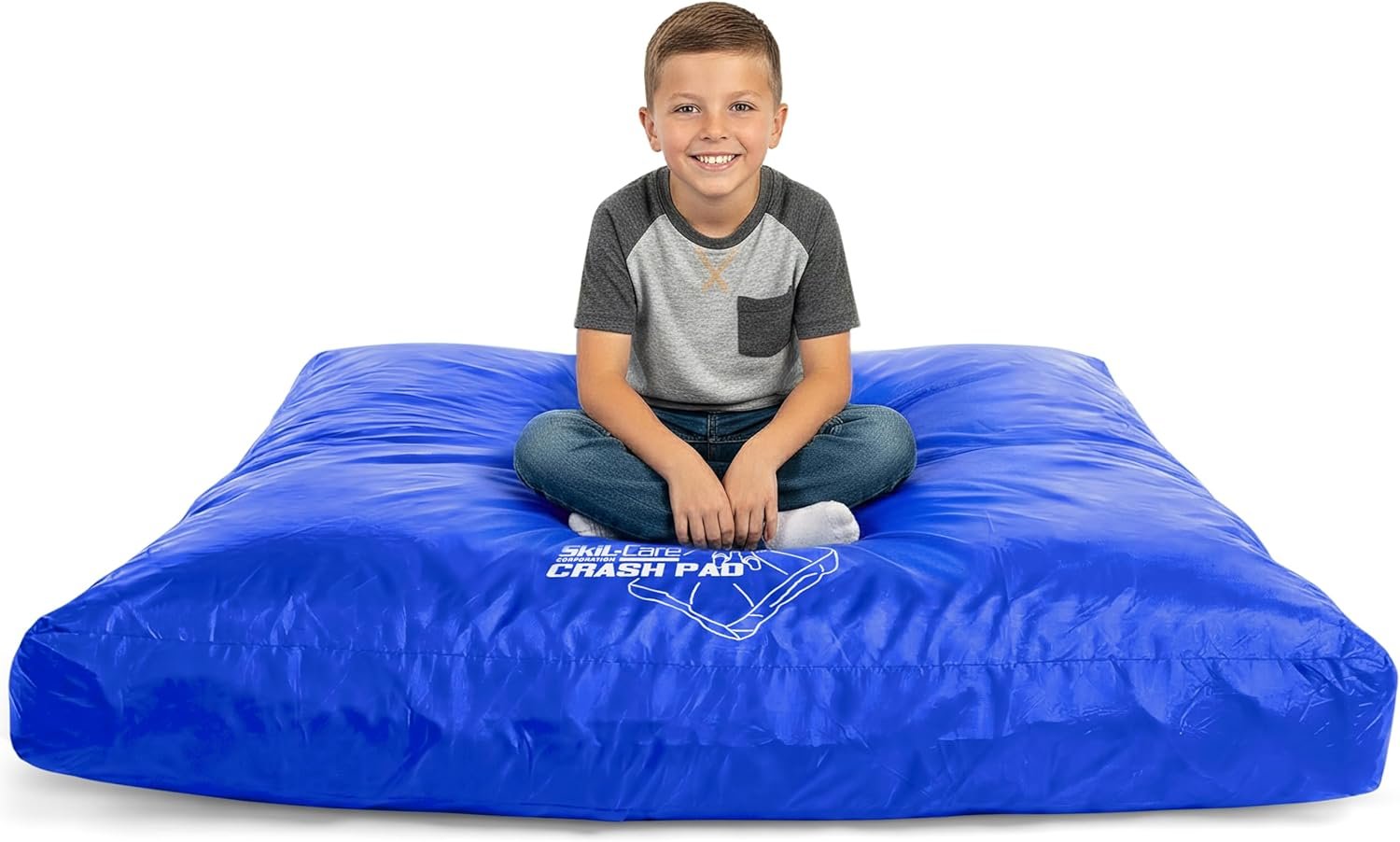
14. Crash Pad for Kids
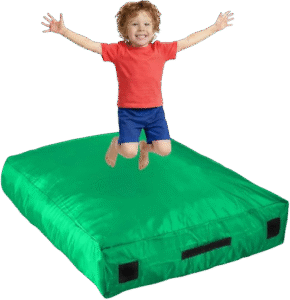
A soft, bead-filled foam that can be molded into shapes.
|
|
|
|
Our Rating:
3.5
|
Our Rating:
3.5
|
Our Rating:
3.5
|
|
N/A
|
N/A
|
N/A
|
Why it helps:
It offers a unique texture that is both calming and engaging.
Best for:
- Creative play
- Stress relief
15. Wacky Tracks

A chain of linked segments that can be twisted into different shapes.
Why it helps:
The clicking sound and movement provide both tactile and auditory stimulation.
Best for:
- Quiet fidgeting
- Travel use
16. Reversible Sequin Pads

Fabric covered in sequins that change color when brushed.
Why it helps:
Combines tactile and visual stimulation, making it highly engaging.
Best for:
- Visual learners
- Calming repetitive motion
17. Balance Boards
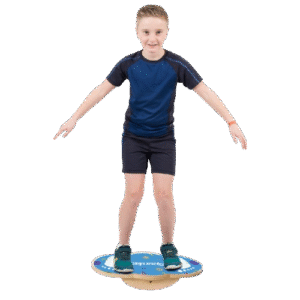
Flat boards that require users to balance while standing.
Why it helps:
They improve coordination and provide movement-based sensory input.
Best for:
- Active children
- Improving motor skills
18. Sensory Light Projectors
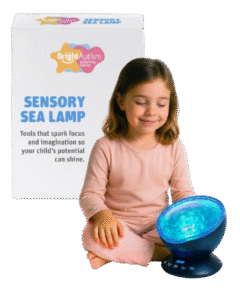
Devices that project moving lights or patterns onto walls.
Why it helps:
Creates a calming visual environment that reduces overstimulation.
Best for:
- Bedtime routines
- Relaxation spaces
Key Takeaway
Sensory toys are not one-size-fits-all solutions. Each toy serves a different purpose—whether it’s calming anxiety, improving focus, or providing sensory input. Research shows that tools like fidget toys can help individuals self-regulate and manage sensory experiences more effectively.
The most effective approach is to observe the individual’s preferences and gradually build a personalized sensory toolkit.
How to Choose the Right Sensory Toys
Selecting the right sensory toy requires understanding the individual’s unique needs.
Identify Sensory Preferences
Determine whether the individual is:
- Sensory seeking (craves stimulation)
- Sensory avoiding (easily overwhelmed)
This will guide your choices significantly.
Consider Age and Development Level
Toys should be age-appropriate and safe. Younger children may need simpler, larger items, while older individuals might prefer discreet tools.
Focus on Safety
Look for:
- Non-toxic materials
- Durable construction
- No small parts (for younger children)
Match the Environment
Different settings require different tools:
- School: quiet, discreet toys
- Home: larger, more interactive tools
- Travel: portable and calming items
Trial and Observation
Not every toy works for every individual. It may take some experimentation to find the most effective options.
Real-Life Use Cases for Sensory Toys
During Meltdowns
Soft, calming items like weighted blankets or stress balls can help reduce intensity and restore calm.
In the Classroom
Fidget tools allow students to stay engaged without disrupting others.
At Bedtime
Weighted blankets and calming visual toys can promote better sleep routines.
While Traveling
Portable sensory tools help manage unfamiliar environments and reduce anxiety.
During Therapy Sessions
Therapists often use sensory toys to improve engagement and build skills.
Common Mistakes to Avoid
Choosing Based on Popularity Alone
Just because a toy is popular doesn’t mean it’s suitable for every individual.
Overstimulating the User
Too many sensory inputs at once can have the opposite effect and increase distress.
Ignoring Individual Preferences
Each person with autism is unique. Personalization is key.
FAQs About Sensory Toys for Autism
Are sensory toys scientifically proven to help autism?
Sensory toys are widely used in therapeutic settings and are supported by research in sensory integration therapy. While they are not a cure, they are effective tools for managing symptoms and improving quality of life.
What sensory toys are best for calming?
Weighted blankets, stress balls, chewable items, and soft tactile toys are commonly used for calming purposes.
Can sensory toys improve focus in school?
Yes, tools like fidget toys help channel excess energy, allowing individuals to concentrate better on tasks.
Are sensory toys only for children?
No, sensory tools can benefit individuals of all ages, including teenagers and adults.
How many sensory toys should I provide?
It’s better to start with a few carefully chosen items and expand based on what works best.
Conclusion
Sensory toys for autism are more than simple play objects—they are powerful tools that support emotional regulation, focus, and overall well-being. By understanding the different types of sensory needs and selecting toys accordingly, caregivers and educators can create a more supportive and comfortable environment.
The key to success lies in personalization. What works for one individual may not work for another, so observation and flexibility are essential. With the right approach, sensory toys can make a meaningful difference in daily life, helping individuals with autism feel more balanced, confident, and in control.
Whether you are a parent, teacher, or therapist, investing time in choosing the right sensory tools can lead to lasting positive outcomes.